

Contract lifecycle management (CLM) is critical for legal and business teams. Choosing between building your own CLM system or buying one is a tough call, especially now that AI is reshaping software development. Imagine a legal ops leader weighing the cost and effort of building a custom tool versus adopting a ready-made AI-powered platform. This decision impacts speed, control, compliance, and long-term costs. This article breaks down what you really need to know about building versus buying CLM software today.
TL;DR
Maintaining a custom CLM extends well beyond initial deployment, requiring ongoing updates and continuous input from legal experts.
Additionally, although AI tools can speed up software development, they do not eliminate the enduring challenges related to system ownership over time.
The decision to develop a solution internally or acquire one externally is largely influenced by the organization's scale and the specific regulatory or operational complexities it faces.
Organizations with stringent compliance requirements frequently lean toward in-house solutions despite the considerable financial and operational risks involved.
Conversely, pre-built platforms are commonly favored by smaller and mid-sized enterprises due to their accelerated deployment timelines and reduced maintenance demands.
Integrating AI into contract management platforms enhances operational workflows, mitigates risk exposure, and accelerates the contract lifecycle.
What Does Building a Custom CLM Really Entail Today?
Software development has changed with AI, but building a custom CLM still demands more than just writing code. Additionally, aI technologies also accelerate coding processes and streamline documentation tasks. For example, McKinsey reports AI tools can speed up coding by 35 to 45 percent and boost developer productivity by 25 to 30 percent. Some forecasts even predict AI could multiply development speed by 20 times in the future.
However, CLM software is not just about the initial build. It is a living system that requires constant care. Taking full responsibility for a CLM means managing the software, ensuring compliance, handling integrations, and providing user support. This ownership translates into ongoing work that often dwarfs the initial development effort.
The Hidden Work After Launch
Maintenance and Updates: Every time an AI model improves, a user interface changes, or an API your system depends on updates, your team must adjust the CLM. The absence of an external vendor means your team handles bug fixes and patch releases internally.
Compliance and Security: Data privacy laws like GDPR or HIPAA are in a state of constant flux. Maintaining compliance with these regulations requires frequent audits and systematic updates.
Integrations: Connecting the CLM to CRM, ERP, e-signature tools, and other enterprise systems demands dedicated engineering time for both creation and maintenance.
User Support: Training users, answering inquiries, and resolving technical issues often fall to overburdened legal or IT departments.
Roadmap and Feature Growth: Legal teams’ needs change with new contract types, business units, and regulations. Your CLM must evolve to keep pace with market standards and competitor platforms.
Why This Matters
Owning a CLM resembles the responsibilities associated with car ownership rather than leasing. This means full operational control but also bearing costs for fuel, repairs, insurance, and unplanned maintenance. In contrast, purchasing a CLM subscription is akin to leasing a vehicle where maintenance is bundled in. Although the upfront expense may be higher, many hidden costs are avoided.
Related articles: AI CLM in Construction: Boost Efficiency & Compliance
How Company Size Shapes the Build vs. Buy Choice
Your organization’s size changes the calculus for building or buying CLM software. Additionally, larger enterprises encounter contract workflows that are more intricate, involve multiple approval layers, and require coordination across various departments. Smaller businesses prioritize speed, simplicity, and quick wins.
Enterprises: Complex Needs, Longer Timelines
Large companies often have strict security rules, complex data governance, and unique contract types. These factors make off-the-shelf CLM solutions feel limiting. Enterprises can afford to invest in long build cycles and complex integrations. For example, compliance certifications can cost $30,000 to $100,000 and take six to twelve months to complete.
However, enterprises also face longer implementation timelines. According to industry reports, companies that embrace extended activation periods can achieve stronger automation and reduce legal bottlenecks. Developing a tailored CLM solution may require years but allows precise alignment with governance and regulatory requirements.
Mid-Market Firms: Balancing Cost and Speed
Mid-sized companies often find enterprise software expensive and complex. Although bespoke tools might seem initially economical, they frequently conceal significant hidden costs. Moreover, annual maintenance can amount to 15 to 20 percent of the initial development investment. Each integration demands between 40 and 200 engineering hours, in addition to ongoing support requirements.
For mid-market firms, leveraging an established CLM platform reduces deployment times and enhances financial predictability. These organizations benefit from standardized features and AI-driven enhancements while circumventing the resource burdens inherent to in-house development.
Small Businesses: Lean Teams, Limited Capacity
Small legal teams may consider building a lightweight CLM more manageable than deploying a comprehensive platform. Yet, maintaining such systems over time often exceeds their operational bandwidth. If the developer departs, system integrity can be compromised rapidly. While AI tools assist with initial configuration, they fall short of ensuring sustainable system stewardship.
Small businesses often gain more by adopting a ready-made CLM that requires little IT support and offers straightforward user experiences.
Related articles: How much are you losing without a CLM platform?
How Industry Demands Affect Your Decision
Your industry’s regulatory environment and contract volume influence whether you build or buy CLM software.
Regulated Industries: Financial Services, Biotech, Pharma
Additionally, these sectors operate under complex compliance frameworks that evolve rapidly. Legal teams spend more time on contract reviews and audits. Opting for a custom CLM obligates you to manage every regulatory update and compliance verification over the long term.
Generic AI models trained on public data frequently fall short of the specialized, in-depth knowledge these industries demand. Specialized CLM platforms dedicate extensive resources to develop legal AI specifically tailored to these fields. Moreover, this specialized knowledge enhances risk mitigation and accelerates contract workflows.
High-Volume Commercial Teams
Sales and procurement teams working with many contracts need speed and consistency. Buying a CLM with AI features that automate drafting, review, and approvals can shorten contract cycles and increase revenue. Developing a custom solution introduces the potential for implementation delays and lost business opportunities.
Industries with Unique Contract Types
Some industries require highly specialized contracts or workflows. In these cases, a custom build might be necessary if no platform fits. However, even here, many vendors offer configurable CLM solutions that can adapt without full custom development.
Related articles: AI Contract Review vs. Human Lawyers: Speed, Accuracy & ROI
What Costs and Risks Come with Building?
Building your own CLM may seem attractive for control and customization. However, the full costs and risks often catch teams off guard.
Upfront Development Costs
Hiring developers or contracting a firm
Designing workflows and user interfaces
Creating AI models or integrating third-party AI tools
Building integrations with existing systems
Ongoing Expenses
Software maintenance and bug fixes
Regular updates for AI models and legal rules
Security patches and compliance audits
Support and training for users
Infrastructure costs like servers and backups
Risks to Consider
Losing internal knowledge if key staff leave
Falling behind market standards as competitors update platforms
Over-customization leading to inflexible systems
Underestimating the time and effort needed for integrations
Example Scenario
A financial services firm builds a custom CLM to meet strict compliance. After launch, the legal team spends months updating the system for new regulations. The original developer leaves, and the remaining staff struggle to fix bugs. The firm faces delays and risks non-compliance fines.
Related articles: Customized AI Powers End-to-End CLM for Legal Teams
What Benefits Come with Buying a CLM Platform?
Buying contract management software grants immediate access to proven functionalities accompanied by dedicated support services. AI-powered platforms further streamline contract workflows by automating numerous tasks, thereby enhancing both speed and precision.
Faster Deployment
Pre-configured CLM solutions can be operational within weeks or months, a significant improvement compared to traditional multi-year development cycles. This accelerated implementation allows legal teams to concentrate exclusively on contract management rather than software development.
Continuous Updates and Compliance
Vendors manage all aspects of software maintenance, including updates, security enhancements, and regulatory compliance modifications. Your team benefits from continual advancements without incurring additional administrative overhead.
Built-In AI Features
Modern CLM platforms leverage AI capabilities to draft contracts, identify risks, extract metadata, and summarize key terms, significantly reducing manual intervention and legal delays.
Scalability and Integrations
These platforms also integrate deeply with enterprise systems like CRM and ERP solutions, along with electronic signature tools, ensuring cohesive operations as your contract volume and business demands expand.
Support and Training
Vendors provide user training, help desks, and documentation. This support frees your internal teams to focus on legal work.
Example Scenario
Consider a mid-sized technology firm that adopts a CLM system featuring AI-enhanced contract review tools. The legal department achieves a 30 percent reduction in review times and accelerates approval workflows. This platform connects seamlessly with their CRM and electronic signature applications, enhancing the efficiency of their overall contract management process.
Related Article: Essential CLM Features Every Business Needs
How to Evaluate Your Build vs. Buy Decision
Use these factors to guide your choice:
Business priorities: Speed to market, compliance, customization needs
Internal capabilities: Developer availability, legal expertise, IT support
Budget: Upfront costs versus ongoing maintenance expenses
Contract volume and complexity: Number of contracts, approval layers, industry regulations
Risk tolerance: Willingness to manage compliance and security internally
Checklist for Decision Making
Map your contract workflows and identify pain points.
Additionally, evaluate your internal team’s capacity for software development and support.
Estimate total cost of ownership for building and buying options.
Research CLM vendors and their AI capabilities.
Consider hybrid approaches, such as buying a platform and customizing it.
Plan for scalability and future legal requirements.
Related articles: Benefits of using CLM Software for Transportation Industry
Why Contract Management Software Matters Today
Contract management software solves many challenges that legal teams face. In addition to centralizing contracts, it streamlines repetitive workflows and provides deeper insight into contractual obligations and potential risks. AI capabilities contribute significantly by expediting the drafting process, identifying clauses that may pose risks, and extracting essential data points.
By adopting CLM software, organizations reduce the incidence of errors, maintain strict adherence to regulatory standards, and accelerate the overall contract lifecycle. These enhancements lead to faster revenue recognition, more effective risk management, and optimized legal department functions.
Related articles: Top Contract Lifecycle Management Software in Maharashtra
How AI-Powered CLM Software Supports Legal Teams
Contract management software with AI features helps legal teams handle contracts more effectively. Here are some key capabilities:
AI Contract Drafting: Automatically create first drafts from templates and clause libraries, saving time.
AI Contract Review: Detect risky language, missing terms, and unusual clauses to reduce legal risk.
AI Clause Recommendations: Suggest fallback clauses and compliant language during negotiations.
AI Contract Summaries: Generate concise summaries of obligations, renewal dates, and risks for quick understanding.
AI Metadata Extraction: Pull out parties, dates, payment terms, and other key data to eliminate manual entry.
Risk and Compliance Analysis: Use configurable rules to flag policy deviations and contractual risks.
Approval Workflow Automation: Automate multi-step approval routing, reminders, and escalations.
Central Contract Repository: Store all contracts securely with full-text search and version control.
These features reduce manual work, improve accuracy, and give legal teams more control over contract lifecycles.
Related articles: Optimizing Legal Intake with AI-Powered CLM
How Volody’s CLM Software Fits In
Contract management software enables organizations to consolidate their contracts, optimize workflow efficiency, and reduce exposure to contractual risks. Additionally, volody delivers AI-powered capabilities such as contract drafting, review, clause recommendations, and metadata extraction. Its platform supports approval workflows, secure storage, and integrations with popular business tools.
Volody’s solution adapts to the scale of enterprises and mid-market teams, accelerating contract handling while ensuring precision.
Explore how Volody's CLM Software helps legal departments accelerate contract processes while maintaining comprehensive oversight.
FAQ
What are the main risks involved in developing a bespoke contract management system?
Additionally, taking charge of an internal CLM means overseeing maintenance, regulatory updates, and supporting users within your team.
Additionally, losing critical developers or underestimating the scope of ongoing work risks causing project delays and potential compliance violations.
Without ongoing investment, the system risks falling behind current industry benchmarks.
How does AI influence the decision between building a CLM and purchasing one?
AI accelerates development and automates targeted contract processes, which benefits initial creation stages.
However, it does not eliminate the necessity for continuous maintenance, compliance adherence, and user support.
Purchasing a solution with built-in AI functionality generally results in faster ROI and lowers the risks associated with deployment.
Can small legal teams maintain a custom-built CLM?
Moreover, small teams often lack the resources to sustain an internally developed CLM over the long term.
Furthermore, the system may degrade if the original developers are no longer available.
Buying a ready-made CLM usually offers better support and less risk for small teams.
Is it possible to customize a bought CLM to fit unique needs?
Yes, many CLM platforms allow configuration without coding. You can customize templates, workflows, and approval processes. This flexibility often meets most business needs without the cost of full custom development.
Furthermore, what industries benefit most from buying CLM software?
Sectors characterized by large volumes of contracts and stringent compliance requirements, such as finance, pharma, and tech, gain significant advantages from adopting AI-powered CLM solutions. These platforms also offer specialized features tailored to industry requirements and stay current with shifting regulatory demands.
How do integrations affect the build versus buy choice?
Building integrations with CRM, ERP, and e-signature tools requires significant engineering time and ongoing upkeep.
Purchasing a CLM equipped with pre-built connectors reduces integration risk and accelerates deployment.
Also, what ongoing costs should I expect if I build a CLM?
Expect to spend 15 to 20 percent of your initial build cost annually on maintenance, updates, compliance, and support. These costs can rise as your contract volume and complexity grow.
How does contract management software improve legal operations?
Also, CLM software centralizes contracts, automates drafting and approvals, tracks obligations, and provides analytics. This reduces manual work, speeds contract cycles, and improves compliance and risk management.
What should I look for in AI features for CLM?
Therefore, look for AI that drafts contracts from templates, reviews for risky clauses, extracts metadata, summarizes key terms, and suggests alternative language. These features save time and reduce errors.
Can buying a CLM platform limit customization?
Some platforms may have limits, but many offer no-code configuration for workflows, templates, and clauses. This balances ease of use with flexibility for most organizations.
This article has outlined the primary considerations for choosing between developing or acquiring contract lifecycle management software within the current AI-enhanced landscape. Understanding the hidden costs, risks, and benefits can help your legal and operations teams make the best choice for your business.
About the Company

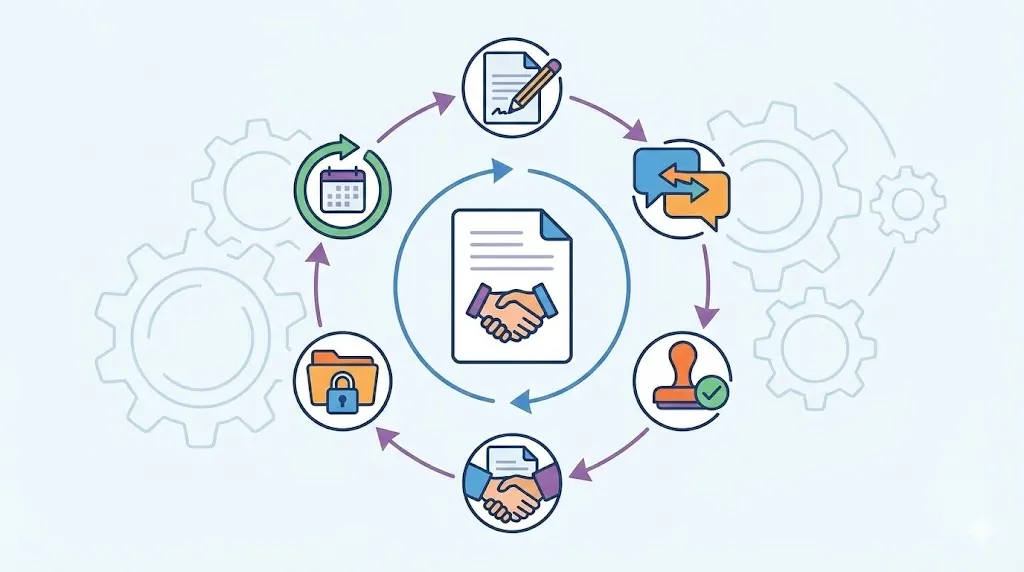
Volody AI CLM is an Agentic AI-powered Contract Lifecycle Management platform designed to eliminate manual contracting tasks, automate complex workflows, and deliver actionable insights. As a one-stop shop for all contract activities, it covers drafting, collaboration, negotiation, approvals, e-signature, compliance tracking, and renewals. Built with enterprise-grade security and no-code configuration, it meets the needs of the most complex global organizations. Volody AI CLM also includes AI-driven contract review and risk analysis, helping teams detect issues early and optimize terms. Trusted by Fortune 500 companies, high-growth startups, and government entities, it transforms contracts into strategic, data-driven business assets.





" height="216.72211px" id="FYO0bO80Y" transform="translate(3 6.105)" width="206.073px"/><path d="M 108.174 222 C 88.432 222 70.303 217.239 53.785 207.717 C 37.267 198.196 24.173 185.052 14.504 168.285 C 4.835 151.312 0 132.165 0 110.845 C 0 89.731 4.835 70.792 14.504 54.025 C 24.173 37.052 37.267 23.804 53.785 14.282 C 70.303 4.761 88.432 0 108.174 0 C 128.116 0 146.246 4.761 162.562 14.282 C 179.08 23.804 192.073 37.052 201.541 54.025 C 211.21 70.792 216.044 89.731 216.044 110.845 C 216.044 132.165 211.21 151.312 201.541 168.285 C 192.073 185.052 179.08 198.196 162.562 207.717 C 146.044 217.239 127.915 222 108.174 222 Z M 108.174 183.189 C 120.864 183.189 132.044 180.291 141.713 174.495 C 151.382 168.492 158.936 160.006 164.375 149.035 C 169.814 138.064 172.533 125.334 172.533 110.845 C 172.533 96.355 169.814 83.729 164.375 72.965 C 158.936 61.994 151.382 53.611 141.713 47.815 C 132.044 42.02 120.864 39.122 108.174 39.122 C 95.483 39.122 84.202 42.02 74.332 47.815 C 64.663 53.611 57.109 61.994 51.67 72.965 C 46.231 83.729 43.511 96.355 43.511 110.845 C 43.511 125.334 46.231 138.064 51.67 149.035 C 57.109 160.006 64.663 168.492 74.332 174.495 C 84.202 180.291 95.483 183.189 108.174 183.189 Z" fill="rgba(255, 255, 255, 0.12)" height="222px" id="aa1McFcE9" transform="translate(227.183 3)" width="216.04399999999998px"/><path d="M 42.302 182.257 L 111.799 182.257 L 111.799 216.722 L 0 216.722 L 0 0 L 42.302 0 Z" fill="rgba(255, 255, 255, 0.12)" height="216.72211px" id="yRq4AnrsX" transform="translate(477.721 6.105)" width="111.79899999999998px"/><path d="M 108.174 222 C 88.432 222 70.303 217.239 53.785 207.717 C 37.267 198.196 24.173 185.052 14.504 168.285 C 4.835 151.312 0 132.165 0 110.845 C 0 89.731 4.835 70.792 14.504 54.025 C 24.173 37.052 37.267 23.804 53.785 14.282 C 70.303 4.761 88.432 0 108.174 0 C 128.116 0 146.246 4.761 162.562 14.282 C 179.08 23.804 192.073 37.052 201.541 54.025 C 211.21 70.792 216.045 89.731 216.045 110.845 C 216.045 132.165 211.21 151.312 201.541 168.285 C 192.073 185.052 179.08 198.196 162.562 207.717 C 146.044 217.239 127.915 222 108.174 222 Z M 108.174 183.189 C 120.864 183.189 132.044 180.291 141.713 174.495 C 151.382 168.492 158.936 160.006 164.375 149.035 C 169.814 138.064 172.534 125.334 172.534 110.845 C 172.534 96.355 169.814 83.729 164.375 72.965 C 158.936 61.994 151.382 53.611 141.713 47.815 C 132.044 42.02 120.864 39.122 108.174 39.122 C 95.483 39.122 84.202 42.02 74.332 47.815 C 64.663 53.611 57.108 61.994 51.67 72.965 C 46.231 83.729 43.511 96.355 43.511 110.845 C 43.511 125.334 46.231 138.064 51.67 149.035 C 57.108 160.006 64.663 168.492 74.332 174.495 C 84.202 180.291 95.483 183.189 108.174 183.189 Z" fill="rgba(255, 255, 255, 0.12)" height="222px" id="mo8HQspQ0" transform="translate(609.155 3)" width="216.04500000000007px"/><path d="M 73.727 0 C 95.885 0 115.324 4.45 132.044 13.351 C 148.967 22.252 161.957 34.982 171.027 51.541 C 180.287 67.894 184.917 86.937 184.917 108.671 C 184.917 130.405 180.287 149.449 171.027 165.801 C 161.957 181.947 148.967 194.47 132.044 203.371 C 115.324 212.271 95.885 216.722 73.727 216.722 L 0 216.722 L 0 0 Z M 72.216 179.773 C 94.374 179.773 111.497 173.564 123.583 161.144 C 135.669 148.724 141.713 131.233 141.713 108.671 C 141.713 86.109 135.669 68.515 123.583 55.888 C 111.497 43.055 94.374 36.638 72.216 36.638 L 42.302 36.638 L 42.302 179.773 Z" fill="rgba(255, 255, 255, 0.12)" height="216.72211px" id="I3iXX5Hi_" transform="translate(859.693 6.105)" width="184.91699999999992px"/><path d="M 185.22 0 L 113.91 141.273 L 113.91 216.722 L 71.61 216.722 L 71.61 141.273 L 0 0 L 47.74 0 L 93.06 99.046 L 138.08 0 Z" fill="rgba(255, 255, 255, 0.12)" height="216.72211px" id="nzHyWC0_d" transform="translate(1061.78 6.105)" width="185.22000000000003px"/></svg>)