
Supply chains faced unprecedented challenges during the pandemic, exposing hidden vulnerabilities in contracts and supplier relationships. Many businesses believed they had clear visibility into their supply chains, only to discover gaps that led to costly disruptions. Understanding how supply chain risk and contracts interact is crucial for building resilience. This article explores three critical lessons drawn from recent global events, offering practical guidance for legal, operations, and technology leaders aiming to strengthen their supply chain strategies.
TL;DR
Many companies overestimated their supply chain visibility, often knowing only their direct suppliers.
Risk prevention fundamentally depends on careful supplier selection and well-defined contract terms rather than solely on reactive issue management.
Early detection of supply chain issues is achievable through vigilant monitoring of contract compliance.
Achieving effective risk management demands comprehensive understanding across multiple supplier tiers combined with continuous real-time contract oversight.
Integrating contract data with operational platforms accelerates the ability to respond to disruptions within the supply chain.
The deployment of sophisticated contract management solutions facilitates automated risk identification, enhances compliance enforcement, and strengthens overall supply chain resilience.
Why Supply Chain Visibility Often Falls Short
Before the pandemic, many procurement teams believed they had a solid grasp of their supply chains. Additionally, they also monitored their direct suppliers closely and maintained confidence in their ability to manage associated risks. However, the crisis revealed that visibility was often superficial. Knowing only your immediate suppliers leaves you blind to risks lurking deeper in the supply chain.
Supply chains form intricate networks that reach far past just the first tier of suppliers. For example, a manufacturer sourcing electronic components may not know that their supplier depends on a single rare mineral supplier located in a politically unstable region. If that mineral supplier faces disruption, the entire chain can break down.
This lack of transparency can stem from supplier reluctance to share sensitive sourcing information, fearing loss of competitive advantage. However, technology now offers ways to balance transparency with confidentiality. Distributed ledger technologies like blockchain can create secure, permissioned networks where supply chain participants share verified data without exposing proprietary details.
One effective strategy involves expanding supply chain mapping to include multiple tiers of suppliers. Collaborate with your suppliers to uncover their own critical sources and evaluate risks at these deeper levels. Leveraging technology to collect and interpret data on supplier locations, certifications, and compliance records further enhances risk identification. This approach helps identify vulnerabilities that traditional methods miss.
According to a report by the World Economic Forum, companies with deeper supply chain visibility experienced fewer disruptions during the pandemic. They could anticipate issues and adjust sourcing or logistics proactively. This insight underscores that visibility is not just about data collection but about actionable intelligence.
Related articles: What is Contract Risk & How to manage it?
Shifting from Risk Management to Risk Prevention
Many organizations treated supply chain risk as something to manage after it happens. Additionally, they developed contingency plans while accepting that some disruptions could not be avoided. The pandemic challenged this mindset by showing that some risks can be prevented if caught early.
Risk prevention starts at the supplier selection stage. Evaluate suppliers on price, quality, and the robustness of their supply chain resilience. Investigate their sourcing strategies, financial health, and operational stability. Avoid relying on multiple suppliers that share the same upstream source, as this creates hidden single points of failure.
Contracts serve as a fundamental mechanism for embedding risk prevention measures. Include clauses that require suppliers to maintain transparency about their own suppliers and notify you promptly of any issues. Define clear performance metrics and penalties for non-compliance. Consider contractual rights to audit supplier operations or require supply chain certifications.
Modern contract management software can support risk prevention by integrating supplier data from external sources like Dun & Bradstreet. This integration flags suppliers with potential risks before contracts are signed. AI-powered tools can analyze contract language in real time, highlighting risky clauses or missing protections.
For example, if a supplier tries to remove a clause requiring timely notification of delays, the software can alert procurement teams immediately. This early warning allows negotiation before the contract is finalized, reducing future exposure.
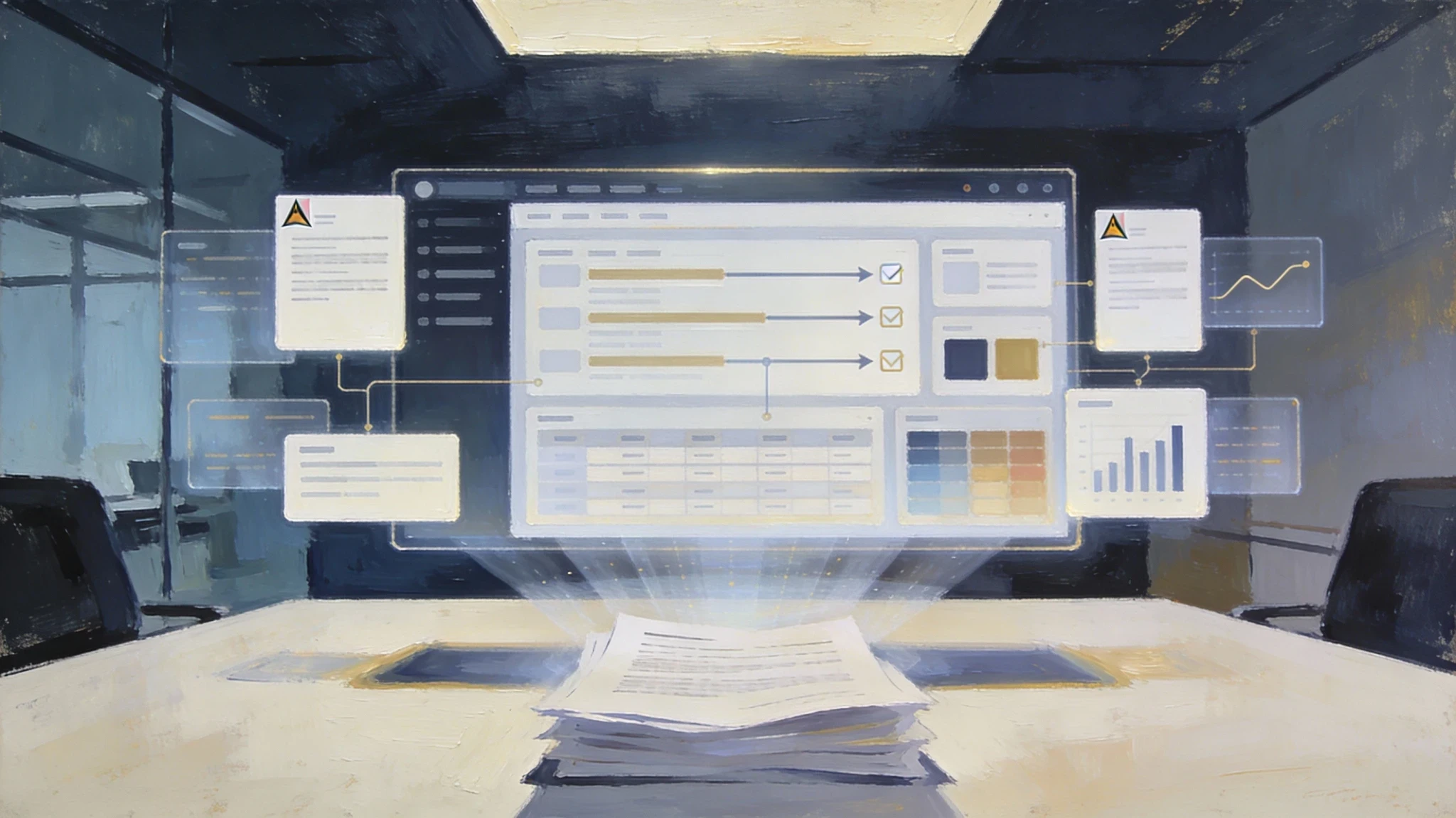
A mature approach combines supplier risk data, contract terms, and performance metrics into a unified risk assessment dashboard. This single source of truth helps sourcing leaders make informed decisions and build a resilient supplier base.
Related Articles: 10 Tips for Contract Negotiation : Strategies Toward Success
Detecting Early Warning Signs Through Contract Compliance
Despite comprehensive preventative measures, certain supply chain risks inevitably arise. Additionally, early identification of emerging issues is essential to intervene before they develop into major problems. Monitoring adherence to contract obligations serves as an effective mechanism for such early identification.
Suppliers failing to meet contract requirements frequently reflect underlying complications. For instance, late deliveries, quality failures, or missed reporting requirements can indicate operational or financial stress. However, spotting these deviations requires connecting contract data with operational systems like inventory management or logistics tracking.
Without integration, contract terms remain isolated documents. Teams may only discover breaches after significant damage occurs. Linking contracts to real-time data streams enables automated alerts when deviations happen. For example, if a delivery date passes without confirmation, the system flags a potential breach.
This proactive approach gives companies time to engage suppliers, implement contingency plans, or seek alternatives. It also supports compliance audits and risk reporting.
Contract management platforms that support obligation tracking and alerts help teams stay on top of deadlines, milestones, and performance indicators. They reduce manual oversight and human error, improving overall supply chain governance.
A concrete instance involves a retailer leveraging compliance monitoring to identify when a supplier fails to renew a critical quality certification. The system issues an alert, enabling the retailer to suspend shipments until compliance is reestablished, thereby preventing potential recalls or reputational harm.
Related articles: Mastering International Contracts: Compliance & Risk
How Contract Management Software Solves This
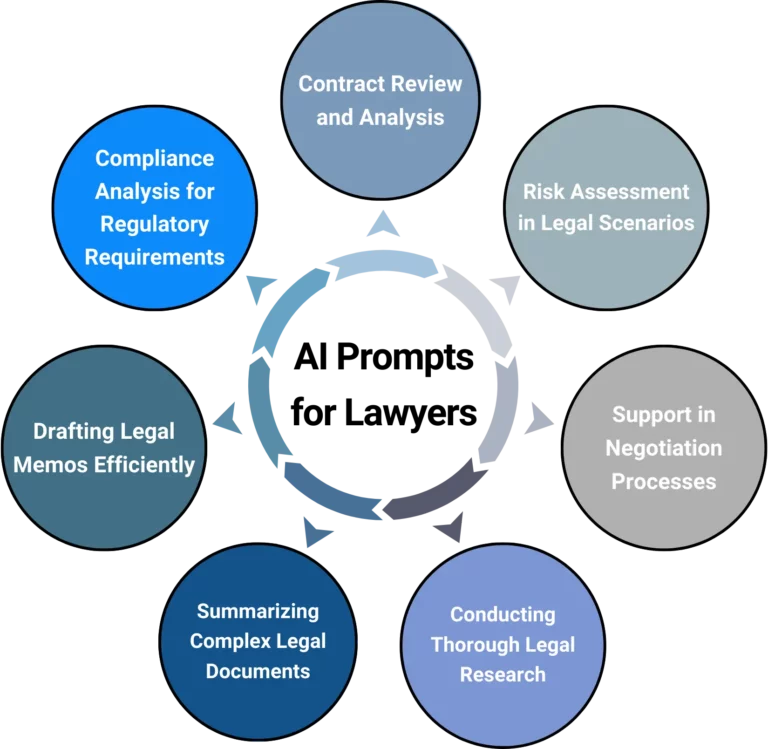
Effective management of contract lifecycles significantly mitigates risks inherent in supply chain operations. Additionally, the platform also consolidates contract repositories, monitors obligations, and streamlines workflow automation. Advanced CLM platforms incorporate AI to analyze contract language, extract key data, and flag risks.
These tools help companies gain deeper supply chain visibility by linking contract data with external supplier information. They enable risk prevention by highlighting risky clauses during negotiations and monitoring compliance post-signature.
Features like obligation management track supplier commitments, renewal dates, and certifications. Automated alerts ensure teams act promptly on potential breaches. By integrating with operational systems, contracts become directly associated with relevant business events, enhancing the precision and speed of risk identification.
The CLM solution from Volody applies artificial intelligence to streamline contract drafting, facilitate thorough review, and conduct comprehensive risk assessments. It extracts metadata and summarizes key terms, helping legal and procurement teams understand contracts quickly. Its approval workflows and collaboration tools speed up contract cycles, reducing delays.
Ready to make contract management more efficient? Learn more about Volody’s contract management solution.
FAQ
What does visibility across the supply network entail?
Additionally, having thorough insight into all suppliers and processes involved in delivering a product or service is essential. It includes knowing not just your direct suppliers but also their suppliers and beyond. This helps identify risks and disruptions early.
Why is it important to examine suppliers outside of Tier 1?
Risks frequently originate deeper within the chain. A Tier 1 supplier might depend on a single source that faces issues. Without visibility beyond Tier 1, companies cannot fully assess or mitigate these hidden risks.
How can contracts help mitigate vulnerabilities within supply arrangements?
Contracts can include clauses requiring transparency, performance standards, and notification of issues. By establishing binding obligations, they incentivize suppliers to uphold reliable operations and promptly communicate critical information.
What role does technology play in overseeing risks linked to supply networks?
Moreover, technology facilitates the collection and analysis of supplier data, ensures contract compliance through monitoring, and triggers automated alerts. AI-driven solutions pinpoint risky contract clauses and detect supplier threats before they escalate.
Technology helps collect and analyze supplier data, monitor contract compliance, and automate alerts.
AI-powered tools can detect risky contract language and flag supplier risks before they cause problems.
How does linking contract data to operational systems improve risk detection?
Connecting contracts to systems like inventory or delivery tracking allows continuous monitoring of supplier performance. This integration helps spot deviations from contract terms quickly, enabling faster responses.
Furthermore, which contract clauses are commonly employed to mitigate risks within supply networks?
Clauses about supply chain transparency, notification of delays or disruptions, audit rights, performance metrics, and penalties for non-compliance are common. These provisions enhance accountability and serve as early indicators.
Can risk prevention eliminate all supply chain disruptions?
No. While prevention reduces risk, some disruptions are unavoidable. Furthermore, the goal is to minimize exposure and detect problems early to respond effectively.
How do AI tools assist in contract risk management?
AI can analyze contract language to identify risky terms, missing protections, or unusual clauses. Also, it can also extract key data and summarize contracts, speeding review and improving accuracy.
What is an Integrated Supplier Risk Assessment?
This assessment consolidates supplier data, contract terms, and performance metrics. This helps procurement leaders evaluate and compare risk across all suppliers in one place.
Why did many companies struggle with supply chain risks during the pandemic?
Many lacked deep visibility beyond direct suppliers and treated risk as something to manage after it happened. The pandemic exposed these gaps, showing the need for prevention and real-time monitoring.
This comprehensive guide aims to help legal and operations leaders reconsider vulnerabilities throughout their supply networks by leveraging contracts and technology. Building resilience requires seeing the full picture, preventing risks early, and detecting issues before they escalate. Using modern contract management tools can make these goals achievable.
About the Company
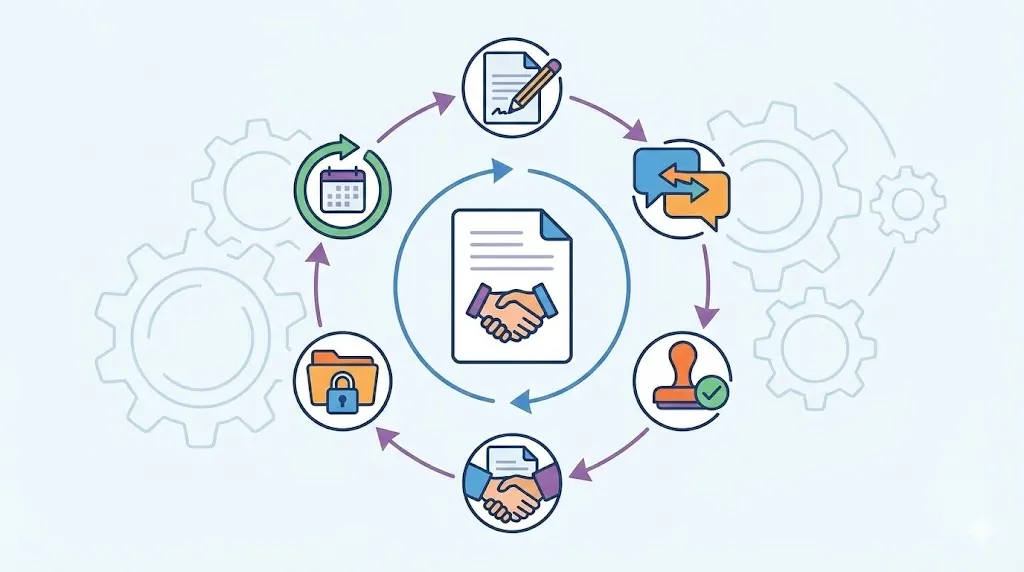
Volody AI CLM is an Agentic AI-powered Contract Lifecycle Management platform designed to eliminate manual contracting tasks, automate complex workflows, and deliver actionable insights. As a one-stop shop for all contract activities, it covers drafting, collaboration, negotiation, approvals, e-signature, compliance tracking, and renewals. Built with enterprise-grade security and no-code configuration, it meets the needs of the most complex global organizations. Volody AI CLM also includes AI-driven contract review and risk analysis, helping teams detect issues early and optimize terms. Trusted by Fortune 500 companies, high-growth startups, and government entities, it transforms contracts into strategic, data-driven business assets.



" height="216.72211px" id="FYO0bO80Y" transform="translate(3 6.105)" width="206.073px"/><path d="M 108.174 222 C 88.432 222 70.303 217.239 53.785 207.717 C 37.267 198.196 24.173 185.052 14.504 168.285 C 4.835 151.312 0 132.165 0 110.845 C 0 89.731 4.835 70.792 14.504 54.025 C 24.173 37.052 37.267 23.804 53.785 14.282 C 70.303 4.761 88.432 0 108.174 0 C 128.116 0 146.246 4.761 162.562 14.282 C 179.08 23.804 192.073 37.052 201.541 54.025 C 211.21 70.792 216.044 89.731 216.044 110.845 C 216.044 132.165 211.21 151.312 201.541 168.285 C 192.073 185.052 179.08 198.196 162.562 207.717 C 146.044 217.239 127.915 222 108.174 222 Z M 108.174 183.189 C 120.864 183.189 132.044 180.291 141.713 174.495 C 151.382 168.492 158.936 160.006 164.375 149.035 C 169.814 138.064 172.533 125.334 172.533 110.845 C 172.533 96.355 169.814 83.729 164.375 72.965 C 158.936 61.994 151.382 53.611 141.713 47.815 C 132.044 42.02 120.864 39.122 108.174 39.122 C 95.483 39.122 84.202 42.02 74.332 47.815 C 64.663 53.611 57.109 61.994 51.67 72.965 C 46.231 83.729 43.511 96.355 43.511 110.845 C 43.511 125.334 46.231 138.064 51.67 149.035 C 57.109 160.006 64.663 168.492 74.332 174.495 C 84.202 180.291 95.483 183.189 108.174 183.189 Z" fill="rgba(255, 255, 255, 0.12)" height="222px" id="aa1McFcE9" transform="translate(227.183 3)" width="216.04399999999998px"/><path d="M 42.302 182.257 L 111.799 182.257 L 111.799 216.722 L 0 216.722 L 0 0 L 42.302 0 Z" fill="rgba(255, 255, 255, 0.12)" height="216.72211px" id="yRq4AnrsX" transform="translate(477.721 6.105)" width="111.79899999999998px"/><path d="M 108.174 222 C 88.432 222 70.303 217.239 53.785 207.717 C 37.267 198.196 24.173 185.052 14.504 168.285 C 4.835 151.312 0 132.165 0 110.845 C 0 89.731 4.835 70.792 14.504 54.025 C 24.173 37.052 37.267 23.804 53.785 14.282 C 70.303 4.761 88.432 0 108.174 0 C 128.116 0 146.246 4.761 162.562 14.282 C 179.08 23.804 192.073 37.052 201.541 54.025 C 211.21 70.792 216.045 89.731 216.045 110.845 C 216.045 132.165 211.21 151.312 201.541 168.285 C 192.073 185.052 179.08 198.196 162.562 207.717 C 146.044 217.239 127.915 222 108.174 222 Z M 108.174 183.189 C 120.864 183.189 132.044 180.291 141.713 174.495 C 151.382 168.492 158.936 160.006 164.375 149.035 C 169.814 138.064 172.534 125.334 172.534 110.845 C 172.534 96.355 169.814 83.729 164.375 72.965 C 158.936 61.994 151.382 53.611 141.713 47.815 C 132.044 42.02 120.864 39.122 108.174 39.122 C 95.483 39.122 84.202 42.02 74.332 47.815 C 64.663 53.611 57.108 61.994 51.67 72.965 C 46.231 83.729 43.511 96.355 43.511 110.845 C 43.511 125.334 46.231 138.064 51.67 149.035 C 57.108 160.006 64.663 168.492 74.332 174.495 C 84.202 180.291 95.483 183.189 108.174 183.189 Z" fill="rgba(255, 255, 255, 0.12)" height="222px" id="mo8HQspQ0" transform="translate(609.155 3)" width="216.04500000000007px"/><path d="M 73.727 0 C 95.885 0 115.324 4.45 132.044 13.351 C 148.967 22.252 161.957 34.982 171.027 51.541 C 180.287 67.894 184.917 86.937 184.917 108.671 C 184.917 130.405 180.287 149.449 171.027 165.801 C 161.957 181.947 148.967 194.47 132.044 203.371 C 115.324 212.271 95.885 216.722 73.727 216.722 L 0 216.722 L 0 0 Z M 72.216 179.773 C 94.374 179.773 111.497 173.564 123.583 161.144 C 135.669 148.724 141.713 131.233 141.713 108.671 C 141.713 86.109 135.669 68.515 123.583 55.888 C 111.497 43.055 94.374 36.638 72.216 36.638 L 42.302 36.638 L 42.302 179.773 Z" fill="rgba(255, 255, 255, 0.12)" height="216.72211px" id="I3iXX5Hi_" transform="translate(859.693 6.105)" width="184.91699999999992px"/><path d="M 185.22 0 L 113.91 141.273 L 113.91 216.722 L 71.61 216.722 L 71.61 141.273 L 0 0 L 47.74 0 L 93.06 99.046 L 138.08 0 Z" fill="rgba(255, 255, 255, 0.12)" height="216.72211px" id="nzHyWC0_d" transform="translate(1061.78 6.105)" width="185.22000000000003px"/></svg>)