

Gen Z shoppers expect more than just quality products. They want to know where items come from and if they are made responsibly. A recent study shows 62% of Gen Z prefer buying from sustainable brands. This creates pressure for companies to prove their supply chains meet ethical standards. But global supply chains are complex, and tracking ethical practices can feel like chasing shadows. How can businesses ensure their supply chains are ethical enough to win over this new generation of consumers?
TL;DR
The influence of Gen Z on consumer markets is marked by a pronounced insistence on transparency and ethical conduct within supply chains, shaping both purchasing behaviors and brand allegiance.
Additionally, achieving ethical integrity in supply chains requires the establishment of rigorous standards, proactive supplier engagement, and the implementation of continuous, real-time oversight mechanisms.
Contractual frameworks serve as the principal mechanism enforcing adherence to ethical standards among suppliers and supply chain partners.
Integrating contract management platforms with blockchain infrastructures offers a substantial improvement in supply chain transparency.
Retailers must provide detailed disclosures about their supply chains to earn the confidence of consumers who prioritize sustainability.
Contract intelligence solutions facilitate in-depth compliance monitoring and effectively reduce risks across intricate, multi-tiered supply chains.
Related Article: How Speeding Up Contracting Keeps Retail Shelves Stocked
Why Gen Z Cares About Ethical Supply Chains
Gen Z grew up with social media and instant information. Additionally, their awareness of global issues such as climate change, labor rights, and animal welfare is acute and pressing. This generation holds brands accountable for their impact on the world. A survey by First Insight found 54% of Gen Z are willing to pay more for sustainable products. Supporting companies that align with their core values is a priority for them.
As a result, businesses face increasing pressure to fundamentally transform their operational models. Historically, supply chains prioritized cost efficiency and rapid delivery. Contemporary market demands elevate ethics and sustainability to equal prominence alongside traditional metrics. Companies that ignore this risk losing customers and damaging their reputation.
Gen Z’s expectations are not just about marketing. They want proof. They want brands to show where products come from, how workers are treated, and what environmental steps are taken. This means companies must build transparency into their supply chains.
For example, a clothing retailer may source fabric from several countries. Gen Z customers want to know if the factories pay fair wages and follow safety rules. Transparency regarding waste reduction and carbon emission strategies is also essential. Without this information, shoppers may choose competitors.
Related articles: Mastering International Contracts: Compliance & Risk
What Makes a Supply Chain Ethical?
Upholding ethical principles within supply chain management requires prioritizing the well-being of people, environmental sustainability, and adherence to legal requirements. Additionally, it goes beyond just following the law. It includes:
Fair labor practices, such as no child or forced labor and safe working conditions.
Commitment to environmental stewardship through measures that minimize pollution, waste generation, and greenhouse gas emissions.
Transparency about sourcing locations and production methods.
Respect for human rights and community welfare.
Compliance with regulations like the Foreign Corrupt Practices Act (FCPA) and data privacy laws.
Moreover, ethical supply chains further demand active collaboration between companies and their suppliers. Suppliers must meet agreed standards and prove compliance. This can be challenging when supply chains stretch across many countries and involve multiple subcontractors.
Creating these frameworks requires clearly defined contractual standards. It also involves continuous oversight of supplier conduct and enforcing accountability. Organizations must employ robust tools to monitor compliance and identify risks proactively.
See also: Legal and Procurement: Strategies for Smooth Collaboration
Challenges in Maintaining Ethical Supply Chains
Global supply networks exhibit considerable complexity. Additionally, they often involve multiple layers of suppliers, distributors, and manufacturers. This complexity creates several challenges:
Lack of visibility: Companies may only see their direct suppliers, not subcontractors further down the chain.
Data gaps: Suppliers may hesitate to share detailed information about their processes or subcontractors.
Inconsistent standards: Different countries have varying laws and enforcement levels.
Cost pressures: Suppliers may cut corners to meet price demands, risking ethical breaches.
Verification difficulties: Auditing suppliers worldwide is expensive and time-consuming.
Given these challenges, companies face significant obstacles in confirming the ethical integrity of their sourcing networks. Without transparency, brands risk scandals that can damage trust and sales.
For example, a food company sourcing ingredients from multiple farms might struggle to confirm if pesticides are used responsibly or if workers receive fair pay. Without clear data, the company cannot guarantee ethical sourcing.
Related articles: Enterprise Guide to Obligation Management Software in 2026
How Contracts Enforce Ethical Supply Chain Practices
Contracts serve purposes beyond their legal standing. Additionally, they define the parameters governing business relationships. Within supply chains, contracts establish specific ethical responsibilities that suppliers must uphold. These responsibilities include maintaining environmental standards—such as proper waste management and limiting emissions—ensuring labor conditions meet health and safety regulations and provide fair wages, adhering to human rights and anti-corruption legislation, fulfilling reporting requirements to enhance transparency, and imposing penalties for any violations or breaches of contract terms.
By embedding these terms in contracts, companies create a binding framework for ethical conduct. Contracts also provide a basis for audits and enforcement.
However, managing these contracts across many suppliers is complex. Traditional paper contracts or disconnected systems make it hard to track compliance. Companies need digital tools that connect contract terms to real-world supplier actions.
Related articles: Vendor Contract Management Logistics: Best Practices
Why Transparency Matters to Gen Z Customers
Transparency entails revealing the complete narrative behind products. Additionally, for Gen Z consumers, this openness is fundamental to establishing trust. Their concerns include:
Origins of raw materials.
The manufacturing processes and the identities of those involved.
The ecological consequences of production methods.
Corporate approaches to social responsibility and ethical challenges.
Retailers who disclose such details candidly establish a distinct competitive advantage. Moreover, transparency also compels suppliers to uphold rigorous standards.
For example, a shoe brand might provide a digital map showing each factory involved in making their shoes. They could share data on water use, energy consumption, and worker conditions. This openness reassures customers that the brand lives up to its promises.
Transparency also supports long-term loyalty. Customers who trust a brand’s ethics are more likely to return and recommend it.
Related articles: Mastering International Contracts: Compliance & Risk
How Technology Improves Ethical Supply Chain Management
Companies are leveraging advanced technologies to address enduring challenges in supply chain management. Additionally, contract lifecycle management (CLM) software plays a pivotal role in this process. By digitizing contracts, CLM systems facilitate seamless access to and monitoring of contractual terms.
Within this framework, certain CLM solutions incorporate artificial intelligence (AI) capabilities to scrutinize contract language. They identify absent ethical clauses or potentially hazardous terms. AI further assists by extracting critical data points such as renewal dates and contractual obligations. This streamlining significantly diminishes the risk of errors that often occur during manual processing.
Blockchain technology introduces an alternative mechanism to enhance transparency. Moreover, it provides an immutable and secure ledger of transactional data. Organizations can log supplier compliance metrics onto a blockchain, thereby guaranteeing data integrity and resistance to tampering.
Smart contracts executed on blockchain platforms enable automated compliance enforcement. For instance, payment disbursements may be conditioned upon suppliers satisfying predefined ethical criteria. This functionality bolsters the confidence purchasing entities have in their suppliers.
Real-time dashboards and analytics help companies monitor supply chain performance. They can spot issues early and respond quickly.
Together, these technologies create a system where companies can verify and enforce ethical practices across complex supply chains.
Related articles: The Essential Role of Anti-Assignment Clauses in Contracts
Steps to Build an Ethical Supply Chain That Appeals to Gen Z
Building an ethical supply chain takes planning and commitment. Here are key steps:
Define clear ethical standards: Establish precise, quantifiable benchmarks addressing labor practices, environmental impact, and governance frameworks.
Communicate expectations: Ensuring that each supplier and partner fully understands and aligns with these ethical criteria is essential for consistent adherence.
Embed standards in contracts: Legal agreements must incorporate detailed provisions that explicitly outline ethical responsibilities and compliance requirements.
Use technology to track compliance: Integrating Contract Lifecycle Management (CLM) platforms with real-time monitoring tools facilitates comprehensive oversight of supplier performance.
Audit and verify suppliers: Systematic audits paired with stringent documentation requests help validate ongoing conformity to established standards.
Promote transparency: Providing stakeholders with accessible, real-time data on supply chain operations and ethical progress fosters trust and accountability.
Engage suppliers: Investing in targeted training programs and collaborative initiatives cultivates stronger alignment with ethical principles throughout the supplier network.
For example, a food company might stipulate that suppliers submit third-party audit reports as part of their compliance obligations. To manage this, they might deploy contract software that monitors these reports and identifies any missing documentation. The company might publish an annual sustainability report showing progress.
Related articles: Vendor Contract Management Logistics: Best Practices
How Contract Management Software Solves This
Contract management platforms enable companies to maintain ethical standards within supply chains by digitizing and organizing contracts. Additionally, the system facilitates efficient identification and examination of ethical clauses. Automated alerts notify teams in advance of upcoming audits or contract renewals.
Leveraging sophisticated AI, the system scrutinizes contracts to expose compliance risks, highlighting where ethical provisions are missing or inadequate. This insight allows legal and procurement teams to proactively rectify gaps before agreements are finalized.
The platform brings together contract data and supplier performance metrics to provide a comprehensive perspective on supply chain compliance.
Monitoring extends to key contractual obligations like environmental reporting and compliance with labor standards. Additionally, the platform consolidates contract information with supplier performance metrics to deliver a holistic view of supply chain adherence.
The CLM solution from Volody encompasses AI-powered contract review, continuous obligation tracking, and optimized approval processes, collectively reducing risk and bolstering transparency. It integrates with existing enterprise software to support more effective supplier relationship management.
See how the CLM software by Volody empowers your team to advance contracts with assurance.
FAQ
What constitutes an ethical approach to supply chain management?
Additionally, an ethical supply chain upholds human rights, complies with labor laws, and adheres to environmental regulations.
It requires suppliers to implement fair labor and environmental practices while companies actively oversee adherence.
Why is ethical responsibility particularly important to Gen Z consumers?
This generation places significant value on social equity and environmental stewardship as core principles guiding their purchasing decisions.
How do contractual agreements enforce ethical standards throughout supply networks?
Such agreements delineate clear ethical requirements for suppliers and function as legally binding tools that hold parties accountable and ensure compliance.
What role does technology play in supply chain ethics?
Technological advancements such as contract management platforms and blockchain frameworks serve to enhance visibility and accountability across supply chains.
Technology like contract management software and blockchain improves transparency.
Moreover, these systems enable real-time compliance monitoring, risk identification, and the automation of policy enforcement mechanisms.
How can companies increase supply chain transparency?
Companies can share sourcing information, audit results, and sustainability data with customers. Digital tools help gather and publish this information.
What challenges do companies encounter when managing ethics in supply chains?
Obstacles include intricate global networks, limited visibility, diverse regulatory environments, and difficulties securing supplier cooperation.
How does contract lifecycle management software help?
CLM software digitizes contracts, tracks obligations, and uses AI to spot risks. It streamlines compliance monitoring and improves supplier management.
Furthermore, can blockchain ensure supplier compliance?
Blockchain creates tamper-proof, transparent records of supplier activities.
Smart contracts provide automated mechanisms to verify adherence and enable conditional payment processing.
What are key ethical standards to include in supplier contracts?
Essential provisions encompass labor rights, environmental safeguards, anti-corruption measures, and mandatory reporting protocols.
How do companies verify supplier compliance?
Through audits, certifications, self-reporting, and technology-enabled monitoring systems.
This article explains how companies can meet Gen Z’s demand for ethical supply chains. It highlights the role of contracts and technology in building transparency and trust. By following these guidelines, businesses can appeal to socially conscious consumers and reduce risks in their supply networks.
About the Company
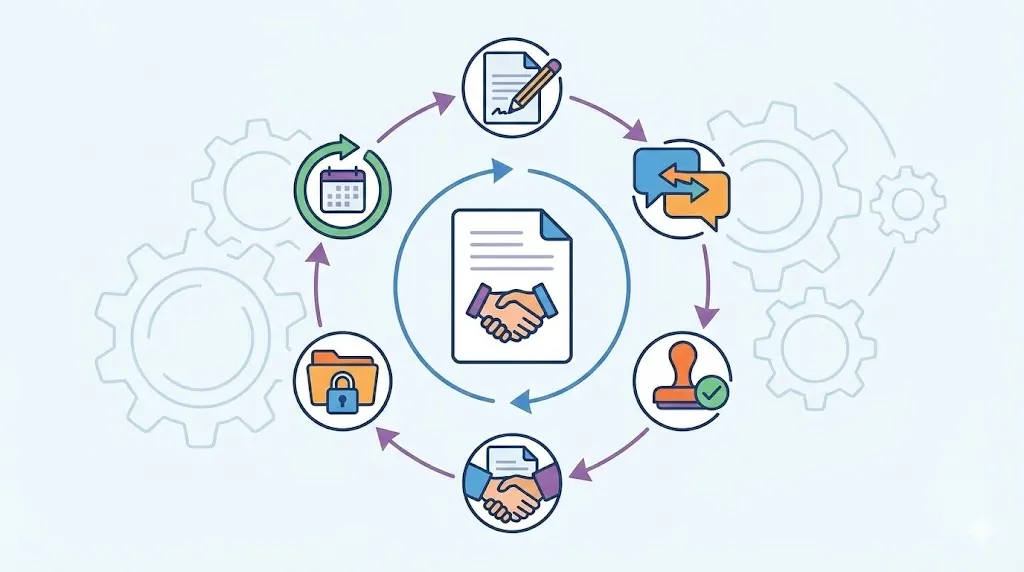
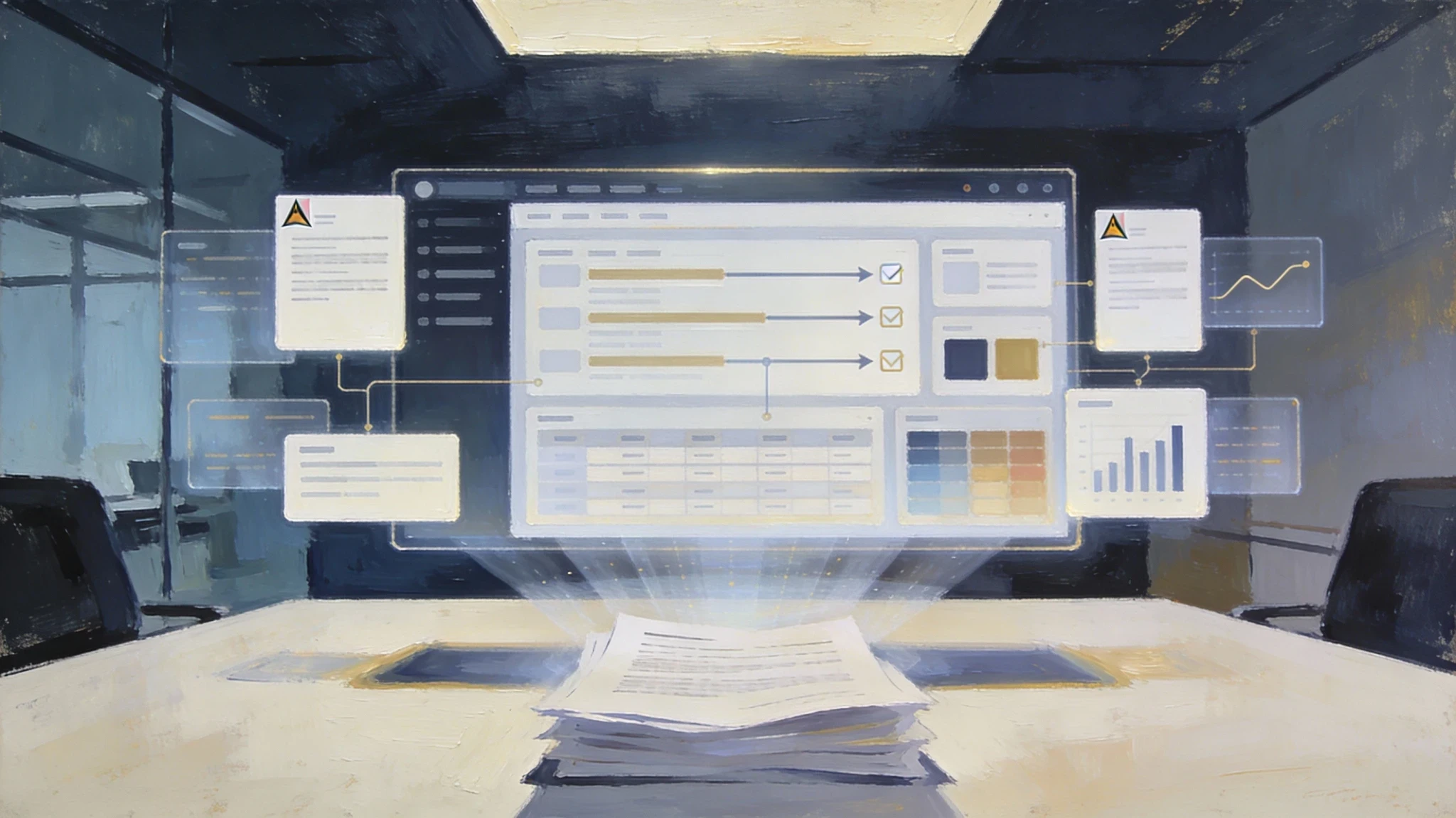
Volody AI CLM is an Agentic AI-powered Contract Lifecycle Management platform designed to eliminate manual contracting tasks, automate complex workflows, and deliver actionable insights. As a one-stop shop for all contract activities, it covers drafting, collaboration, negotiation, approvals, e-signature, compliance tracking, and renewals. Built with enterprise-grade security and no-code configuration, it meets the needs of the most complex global organizations. Volody AI CLM also includes AI-driven contract review and risk analysis, helping teams detect issues early and optimize terms. Trusted by Fortune 500 companies, high-growth startups, and government entities, it transforms contracts into strategic, data-driven business assets.

" height="216.72211px" id="FYO0bO80Y" transform="translate(3 6.105)" width="206.073px"/><path d="M 108.174 222 C 88.432 222 70.303 217.239 53.785 207.717 C 37.267 198.196 24.173 185.052 14.504 168.285 C 4.835 151.312 0 132.165 0 110.845 C 0 89.731 4.835 70.792 14.504 54.025 C 24.173 37.052 37.267 23.804 53.785 14.282 C 70.303 4.761 88.432 0 108.174 0 C 128.116 0 146.246 4.761 162.562 14.282 C 179.08 23.804 192.073 37.052 201.541 54.025 C 211.21 70.792 216.044 89.731 216.044 110.845 C 216.044 132.165 211.21 151.312 201.541 168.285 C 192.073 185.052 179.08 198.196 162.562 207.717 C 146.044 217.239 127.915 222 108.174 222 Z M 108.174 183.189 C 120.864 183.189 132.044 180.291 141.713 174.495 C 151.382 168.492 158.936 160.006 164.375 149.035 C 169.814 138.064 172.533 125.334 172.533 110.845 C 172.533 96.355 169.814 83.729 164.375 72.965 C 158.936 61.994 151.382 53.611 141.713 47.815 C 132.044 42.02 120.864 39.122 108.174 39.122 C 95.483 39.122 84.202 42.02 74.332 47.815 C 64.663 53.611 57.109 61.994 51.67 72.965 C 46.231 83.729 43.511 96.355 43.511 110.845 C 43.511 125.334 46.231 138.064 51.67 149.035 C 57.109 160.006 64.663 168.492 74.332 174.495 C 84.202 180.291 95.483 183.189 108.174 183.189 Z" fill="rgba(255, 255, 255, 0.12)" height="222px" id="aa1McFcE9" transform="translate(227.183 3)" width="216.04399999999998px"/><path d="M 42.302 182.257 L 111.799 182.257 L 111.799 216.722 L 0 216.722 L 0 0 L 42.302 0 Z" fill="rgba(255, 255, 255, 0.12)" height="216.72211px" id="yRq4AnrsX" transform="translate(477.721 6.105)" width="111.79899999999998px"/><path d="M 108.174 222 C 88.432 222 70.303 217.239 53.785 207.717 C 37.267 198.196 24.173 185.052 14.504 168.285 C 4.835 151.312 0 132.165 0 110.845 C 0 89.731 4.835 70.792 14.504 54.025 C 24.173 37.052 37.267 23.804 53.785 14.282 C 70.303 4.761 88.432 0 108.174 0 C 128.116 0 146.246 4.761 162.562 14.282 C 179.08 23.804 192.073 37.052 201.541 54.025 C 211.21 70.792 216.045 89.731 216.045 110.845 C 216.045 132.165 211.21 151.312 201.541 168.285 C 192.073 185.052 179.08 198.196 162.562 207.717 C 146.044 217.239 127.915 222 108.174 222 Z M 108.174 183.189 C 120.864 183.189 132.044 180.291 141.713 174.495 C 151.382 168.492 158.936 160.006 164.375 149.035 C 169.814 138.064 172.534 125.334 172.534 110.845 C 172.534 96.355 169.814 83.729 164.375 72.965 C 158.936 61.994 151.382 53.611 141.713 47.815 C 132.044 42.02 120.864 39.122 108.174 39.122 C 95.483 39.122 84.202 42.02 74.332 47.815 C 64.663 53.611 57.108 61.994 51.67 72.965 C 46.231 83.729 43.511 96.355 43.511 110.845 C 43.511 125.334 46.231 138.064 51.67 149.035 C 57.108 160.006 64.663 168.492 74.332 174.495 C 84.202 180.291 95.483 183.189 108.174 183.189 Z" fill="rgba(255, 255, 255, 0.12)" height="222px" id="mo8HQspQ0" transform="translate(609.155 3)" width="216.04500000000007px"/><path d="M 73.727 0 C 95.885 0 115.324 4.45 132.044 13.351 C 148.967 22.252 161.957 34.982 171.027 51.541 C 180.287 67.894 184.917 86.937 184.917 108.671 C 184.917 130.405 180.287 149.449 171.027 165.801 C 161.957 181.947 148.967 194.47 132.044 203.371 C 115.324 212.271 95.885 216.722 73.727 216.722 L 0 216.722 L 0 0 Z M 72.216 179.773 C 94.374 179.773 111.497 173.564 123.583 161.144 C 135.669 148.724 141.713 131.233 141.713 108.671 C 141.713 86.109 135.669 68.515 123.583 55.888 C 111.497 43.055 94.374 36.638 72.216 36.638 L 42.302 36.638 L 42.302 179.773 Z" fill="rgba(255, 255, 255, 0.12)" height="216.72211px" id="I3iXX5Hi_" transform="translate(859.693 6.105)" width="184.91699999999992px"/><path d="M 185.22 0 L 113.91 141.273 L 113.91 216.722 L 71.61 216.722 L 71.61 141.273 L 0 0 L 47.74 0 L 93.06 99.046 L 138.08 0 Z" fill="rgba(255, 255, 255, 0.12)" height="216.72211px" id="nzHyWC0_d" transform="translate(1061.78 6.105)" width="185.22000000000003px"/></svg>)