

Legal titles can confuse even experienced professionals. The title "General Counsel" might mean very different things depending on the company. Some see it as the top legal executive role, while others treat it as a catch-all for various legal tasks. This variation can create challenges in hiring, salary talks, and team planning. Understanding legal titles helps legal and operations leaders set clear expectations and build strong legal teams.
TL;DR
Legal titles define clear roles and responsibilities within legal teams, avoiding confusion.
Titles establish the organizational hierarchy and explicitly delineate reporting relationships within legal departments.
Clearly articulated titles enhance communication not only across departments but also when engaging with external business partners.
Often, legal titles are tied to specialized areas of expertise, enabling a strategic alignment of skills with specific business objectives.
Titles that are well-defined create the transparency essential for scaling the company, guiding both team architecture and hiring strategies.
Contract management software enhances the efficiency of legal workflows while reinforcing clarity around title roles.
Related Article: Enhancing Risk Mitigation and Payout Accuracy
Why Do Legal Titles Matter in Organizations?
Legal titles are more than just names on business cards or LinkedIn profiles. Additionally, they influence how legal teams function and how other departments engage with them. When titles are clear, everyone knows who handles what. This clarity reduces overlap and confusion, making legal work more efficient.
For example, if a company has a General Counsel and several Associate General Counsels, each with distinct duties, other divisions can quickly identify the right person to approach for specific issues. Without this clarity, requests may bounce around, causing delays and frustration.
Titles also reflect the experience and focus areas of legal professionals. A "Chief Compliance Officer" signals a focus on regulatory compliance, while a "Corporate Counsel" might specialize in contracts and business law. Moreover, this clarity ensures that legal expertise is properly aligned with organizational objectives.
As companies grow, legal titles become essential for scaling. Clear titles help identify gaps in the team and plan for future hires. They also support career development by defining progression paths within the legal department.
Related articles: Who is a Chief Legal Officer (CLO)? A Powerful Legal Partner
What Does the Title General Counsel Mean?
General Counsel (GC) is typically the top legal officer in a company. Additionally, this role also entails leading the legal department while providing counsel to senior management on legal issues. The GC handles a wide range of responsibilities, including:
Advising executive leadership and the board on legal risks and strategic direction.
Overseeing the work of internal legal staff and managing relationships with outside counsel.
Ensuring the organization adheres to applicable laws and regulatory requirements.
Managing litigation processes and guiding efforts to resolve disputes effectively.
Conducting contract reviews and directing negotiation strategies.
In many companies, the GC reports directly to the chief executive officer and is a member of the executive leadership team. According to surveys by the Association of Corporate Counsel, about 90% of companies with 500 or more employees have a General Counsel. Smaller companies may have legal roles with different titles or share legal duties outside a formal GC.
Related articles: Aligning Legal Ops with General Counsel to Reduce Cost Risks
What Are the Core Responsibilities of a General Counsel?
The General Counsel role varies by company size, industry, and structure. However, some core duties remain consistent:
Providing Legal Advice to Leadership
The GC is the main legal advisor to the CEO, board, and senior executives. They analyze risks, interpret laws, and guide business decisions. For example, if a company plans to expand internationally, the GC advises on local laws, permits, and contracts with foreign partners.
Managing Legal Teams
The GC leads the in-house legal department and coordinates efforts with external law firms. They assign work, set priorities, and ensure legal resources meet company needs. In a large company, the GC might supervise multiple Associate General Counsels, each focusing on areas like litigation, compliance, or contracts.
Ensuring Compliance
The GC actively tracks legislative changes that could impact the company and develops policies designed to prevent regulatory breaches. Given the sensitive nature of sectors such as healthcare or finance, rigorous adherence to privacy statutes and sector-specific regulations is paramount. To uphold these standards, the GC spearheads detailed training initiatives and manages audit protocols that reinforce ongoing compliance.
Handling Litigation and Disputes
Moreover, in instances of legal challenges, the GC takes charge of coordinating the company’s strategic response. They work closely alongside external attorneys throughout litigation, settlement negotiations, and dispute resolution efforts. The GC also delivers strategic counsel aimed at risk mitigation to prevent or minimize future legal conflicts.
Reviewing and Negotiating Contracts
Contracts are the backbone of business deals. The GC carefully examines essential agreements to safeguard corporate interests. They negotiate terms with vendors, customers, or partners to reduce risk and ensure clarity.
Related articles: A Comprehensive Guide to Different Types of Legal Counsel
How Do Legal Titles Reflect Hierarchy and Structure?
Legal departments are typically structured with multiple tiers of titles that delineate responsibilities and authority.
General Counsel: Top legal officer responsible for overall legal strategy.
Deputy General Counsel or Associate General Counsel: Senior lawyers who manage specific areas or projects.
Legal Counsel or Corporate Counsel: Mid-level lawyers handling day-to-day legal work.
Legal Assistant or Paralegal: Support staff assisting lawyers.
This hierarchy helps define reporting lines. For example, Associate General Counsels typically answer directly to the GC, whereas Legal Counsels usually fall under the supervision of the Associates. Clear structure speeds decision-making and clarifies accountability.
Hierarchy also helps external parties know who to contact. A vendor with a contract question might consult the Legal Counsel, whereas a major legal risk would warrant direct engagement with the GC.
Related articles: How to Manage Legal Teams: 8 Proven Tactics for Success
How Do Legal Titles Help Communication Across Teams?
When legal titles are clear, other departments know exactly who to approach. Additionally, this clarity eliminates delays that often arise from uncertainty. For example, a sales team needing a contract reviewed can contact the designated Legal Counsel for contracts. If the issue involves regulatory risk, they might escalate it to the Compliance Officer.
Clear titles also help external partners. Clients, regulators, or law firms can quickly identify the right contact. This speeds up negotiations, audits, or dispute resolutions.
Related articles: Level Up Your Legal Operations: 6 Tips to Legal Efficiency
What Do Legal Titles Say About Specialization?
Legal titles often hint at a lawyer’s specialty. Additionally, understanding these distinctions enables firms to deploy targeted legal expertise effectively in addressing intricate business challenges. Some examples:
Corporate Counsel: Advises on matters related to business law, contract negotiation, and the frameworks of corporate governance.
Compliance Officer: Oversees adherence to regulatory mandates and crafts strategies to mitigate associated risks.
Litigation Counsel: Directs lawsuit proceedings and strategizes on resolving disputes efficiently.
Intellectual Property Counsel: Focuses on the protection and enforcement of patents, trademarks, and copyrights.
Employment Counsel: Specializes in advising on labor legislation and employment-related legal issues.
Recognizing these roles helps organizations assign tasks to the most suitably qualified legal professionals. In addition, it fosters the development of focused career paths for attorneys.
Related articles: Contract Templates Standardization: Simplifying Legal Work
How Do Legal Titles Support Company Growth?
As companies expand, legal needs become more complex. Additionally, clear legal titles enable companies to pinpoint specific expertise deficits, facilitating targeted recruitment efforts. They also provide a framework for career advancement that is crucial for retaining top legal talent. Organizing teams by specialized roles helps optimize operational workflows. This structure enhances transparency in legal responsibilities, benefiting both internal teams and external partners.
For example, a startup often begins with a single General Counsel managing the entirety of the legal workload. With growth, the organization may introduce Associate GCs focused on distinct areas such as contracts, compliance, and litigation, with titles evolving to mirror these developments.
Related articles: Role of Outside Counsel in Driving Legal Success
How Contract Management Software Supports Legal Teams
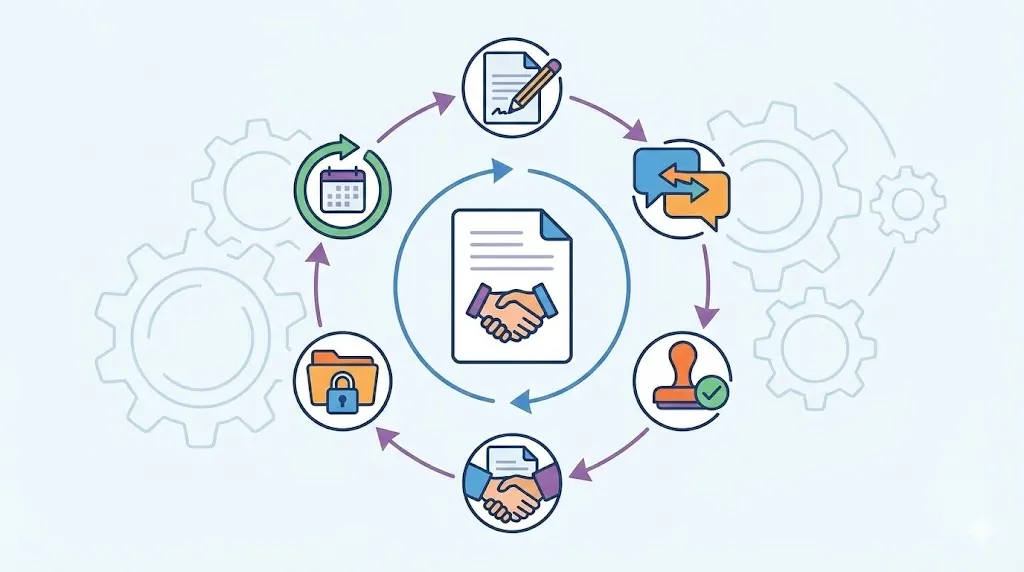
Contract management software helps legal teams handle contracts faster and with fewer errors. It centralizes contract storage, automates workflows, and tracks key dates like renewals. This reduces administrative burdens on legal staff.
Such software also supports legal titles by clarifying who owns contract tasks. For example, it can assign contract review to the right Associate General Counsel or notify the GC of high-risk agreements.
How Volody’s Contract Management Software Helps Legal Teams
Modern contract management tools simplify legal workflows. Additionally, volody’s software uses AI to aid in contract drafting, improve the precision of reviews, and extract essential metadata. It also streamlines approval workflows while maintaining stringent obligation tracking to prevent missed deadlines.
Volody’s platform integrates with Microsoft Word, allowing legal professionals to work within the tools they already rely on. Additionally, it provides a centralized contract repository with powerful search capabilities and robust version control.
> Discover how Volody's CLM Software enables legal teams to accelerate contract management while maintaining enhanced oversight.
FAQ
What differentiates the chief legal officer from the associate general counsel?
Additionally, the top legal executive within an organization holds the responsibility for overarching strategy and leadership.
The associate general counsel typically manages specific legal domains or projects and reports directly to the chief legal officer.
Why do legal designations matter for career advancement?
Legal titles delineate roles and responsibilities, assisting lawyers in recognizing their current standing and opportunities for progression within the firm.
Is it common for smaller companies to appoint an in-house chief legal officer?
Yes, although smaller firms often assign legal responsibilities under different titles or distribute them among executives. The position of General Counsel tends to be more prevalent in larger companies.
Moreover, how can legal designations influence salary negotiations?
Titles communicate anticipated experience levels and responsibilities, which significantly influence compensation benchmarks during hiring or promotion processes.
What role does a Chief Compliance Officer play?
This officer focuses on regulatory compliance, ensuring the company follows laws and industry rules to avoid penalties.
In what ways can contract management software enhance the efficiency of legal teams?
It automates routine tasks, centralizes contracts, and tracks deadlines, freeing lawyers to focus on higher-value work.
Do legal designations remain consistent across different sectors?
Furthermore, titles vary widely according to industry and organizational scale.
Understanding the specific duties associated with each title holds greater importance than the title itself.
How does the chief legal officer collaborate with the board of directors?
The chief legal executive advises the board on legal risks and governance matters, helping guide strategic decisions.
What skills are essential for the chief legal officer?
Expertise in law, leadership acumen, effective communication, and a comprehensive grasp of business operations constitute core competencies for this role.
In what manner can legal designations assist in overseeing external law firms?
Clearly defined titles establish accountability for managing outside counsel, facilitating coordinated legal services and effective cost management.
About the Company

Volody AI CLM is an Agentic AI-powered Contract Lifecycle Management platform designed to eliminate manual contracting tasks, automate complex workflows, and deliver actionable insights. As a one-stop shop for all contract activities, it covers drafting, collaboration, negotiation, approvals, e-signature, compliance tracking, and renewals. Built with enterprise-grade security and no-code configuration, it meets the needs of the most complex global organizations. Volody AI CLM also includes AI-driven contract review and risk analysis, helping teams detect issues early and optimize terms. Trusted by Fortune 500 companies, high-growth startups, and government entities, it transforms contracts into strategic, data-driven business assets.





" height="216.72211px" id="FYO0bO80Y" transform="translate(3 6.105)" width="206.073px"/><path d="M 108.174 222 C 88.432 222 70.303 217.239 53.785 207.717 C 37.267 198.196 24.173 185.052 14.504 168.285 C 4.835 151.312 0 132.165 0 110.845 C 0 89.731 4.835 70.792 14.504 54.025 C 24.173 37.052 37.267 23.804 53.785 14.282 C 70.303 4.761 88.432 0 108.174 0 C 128.116 0 146.246 4.761 162.562 14.282 C 179.08 23.804 192.073 37.052 201.541 54.025 C 211.21 70.792 216.044 89.731 216.044 110.845 C 216.044 132.165 211.21 151.312 201.541 168.285 C 192.073 185.052 179.08 198.196 162.562 207.717 C 146.044 217.239 127.915 222 108.174 222 Z M 108.174 183.189 C 120.864 183.189 132.044 180.291 141.713 174.495 C 151.382 168.492 158.936 160.006 164.375 149.035 C 169.814 138.064 172.533 125.334 172.533 110.845 C 172.533 96.355 169.814 83.729 164.375 72.965 C 158.936 61.994 151.382 53.611 141.713 47.815 C 132.044 42.02 120.864 39.122 108.174 39.122 C 95.483 39.122 84.202 42.02 74.332 47.815 C 64.663 53.611 57.109 61.994 51.67 72.965 C 46.231 83.729 43.511 96.355 43.511 110.845 C 43.511 125.334 46.231 138.064 51.67 149.035 C 57.109 160.006 64.663 168.492 74.332 174.495 C 84.202 180.291 95.483 183.189 108.174 183.189 Z" fill="rgba(255, 255, 255, 0.12)" height="222px" id="aa1McFcE9" transform="translate(227.183 3)" width="216.04399999999998px"/><path d="M 42.302 182.257 L 111.799 182.257 L 111.799 216.722 L 0 216.722 L 0 0 L 42.302 0 Z" fill="rgba(255, 255, 255, 0.12)" height="216.72211px" id="yRq4AnrsX" transform="translate(477.721 6.105)" width="111.79899999999998px"/><path d="M 108.174 222 C 88.432 222 70.303 217.239 53.785 207.717 C 37.267 198.196 24.173 185.052 14.504 168.285 C 4.835 151.312 0 132.165 0 110.845 C 0 89.731 4.835 70.792 14.504 54.025 C 24.173 37.052 37.267 23.804 53.785 14.282 C 70.303 4.761 88.432 0 108.174 0 C 128.116 0 146.246 4.761 162.562 14.282 C 179.08 23.804 192.073 37.052 201.541 54.025 C 211.21 70.792 216.045 89.731 216.045 110.845 C 216.045 132.165 211.21 151.312 201.541 168.285 C 192.073 185.052 179.08 198.196 162.562 207.717 C 146.044 217.239 127.915 222 108.174 222 Z M 108.174 183.189 C 120.864 183.189 132.044 180.291 141.713 174.495 C 151.382 168.492 158.936 160.006 164.375 149.035 C 169.814 138.064 172.534 125.334 172.534 110.845 C 172.534 96.355 169.814 83.729 164.375 72.965 C 158.936 61.994 151.382 53.611 141.713 47.815 C 132.044 42.02 120.864 39.122 108.174 39.122 C 95.483 39.122 84.202 42.02 74.332 47.815 C 64.663 53.611 57.108 61.994 51.67 72.965 C 46.231 83.729 43.511 96.355 43.511 110.845 C 43.511 125.334 46.231 138.064 51.67 149.035 C 57.108 160.006 64.663 168.492 74.332 174.495 C 84.202 180.291 95.483 183.189 108.174 183.189 Z" fill="rgba(255, 255, 255, 0.12)" height="222px" id="mo8HQspQ0" transform="translate(609.155 3)" width="216.04500000000007px"/><path d="M 73.727 0 C 95.885 0 115.324 4.45 132.044 13.351 C 148.967 22.252 161.957 34.982 171.027 51.541 C 180.287 67.894 184.917 86.937 184.917 108.671 C 184.917 130.405 180.287 149.449 171.027 165.801 C 161.957 181.947 148.967 194.47 132.044 203.371 C 115.324 212.271 95.885 216.722 73.727 216.722 L 0 216.722 L 0 0 Z M 72.216 179.773 C 94.374 179.773 111.497 173.564 123.583 161.144 C 135.669 148.724 141.713 131.233 141.713 108.671 C 141.713 86.109 135.669 68.515 123.583 55.888 C 111.497 43.055 94.374 36.638 72.216 36.638 L 42.302 36.638 L 42.302 179.773 Z" fill="rgba(255, 255, 255, 0.12)" height="216.72211px" id="I3iXX5Hi_" transform="translate(859.693 6.105)" width="184.91699999999992px"/><path d="M 185.22 0 L 113.91 141.273 L 113.91 216.722 L 71.61 216.722 L 71.61 141.273 L 0 0 L 47.74 0 L 93.06 99.046 L 138.08 0 Z" fill="rgba(255, 255, 255, 0.12)" height="216.72211px" id="nzHyWC0_d" transform="translate(1061.78 6.105)" width="185.22000000000003px"/></svg>)