
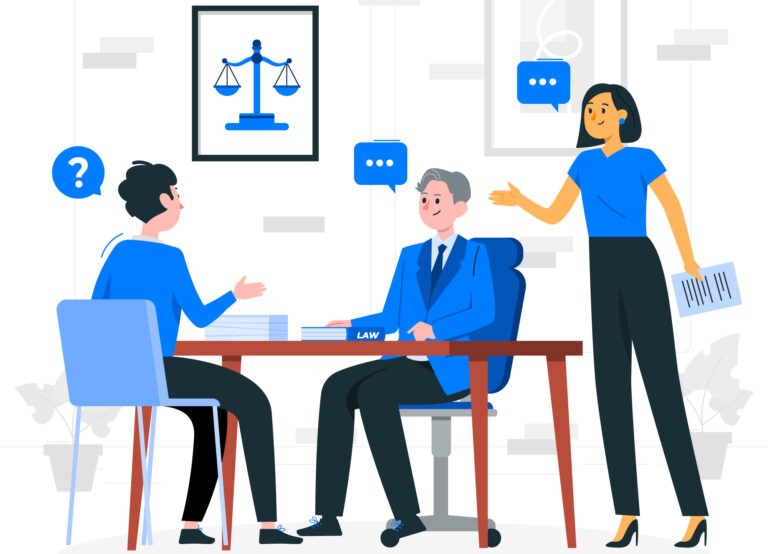
Think of an in-house legal team as the engine of a well-oiled machine, keeping everything running smoothly and ensuring every part works in harmony. Just like an engine powers a vehicle, legal teams drive businesses forward by solving complex legal challenges, ensuring compliance with regulations, minimizing risks, and aligning legal strategies with the company’s broader goals.
Whether you’re assembling the engine of your own company by building a legal team or considering a career as an in-house lawyer, it’s essential to understand the key components of this machine. Each role within the legal department plays a vital part, contributing to the business’s success.
In this guide, we’ll break down the main in-house counsel roles, explain their responsibilities, and show how each one fits into the bigger picture—keeping the legal jargon to a minimum.
Mapping Legal Careers: From Roles to Salaries

Role | Responsibilities | Years of Experience | Average Salary Range (USD) |
|---|---|---|---|
General Counsel (GC) | - Oversee legal department - Advise leadership on risks - Manage disputes and negotiations - Ensure regulatory compliance | 15+ years | $375,000 – $1,103,000 |
Chief Legal Officer (CLO) | - Align legal strategy - Lead corporate governance - Oversee all legal functions - Advise the executive team | 15+ years | $375,000 – $1,103,000 |
Deputy General Counsel (DGC) | - Support General Counsel - Manage legal projects - Oversee compliance and contracts - Mentor senior team | 12–15 years | $158,000 – $442,000 |
Associate General Counsel (AGC) | - Handle specialized areas - Provide business advice - Draft complex contracts - Collaborate on strategy | 8–12 years | |
Head of Legal Operations | - Streamline legal processes - Manage budgets and vendors - Implement legal tech tools - Optimize department efficiency | 5–10 years | $130,000 – $220,000 |
Related Article: What’s the Difference: In-House Counsel and Outside Counsel
Understanding In-House Legal Job Titles: A Breakdown

In-house legal teams can look quite different depending on the size and needs of a company. But there are some roles you’ll find in almost every organization. At the top, you have senior positions like the General Counsel (GC) or Chief Legal Officer (CLO). Then, there are specialized legal experts who focus on specific areas, like intellectual property, compliance, or contracts.
No matter the structure, each role plays an important part in keeping the business legally sound and running smoothly.
Related Article: Who is an Outside Counsel? Your Comprehensive Guide
1. General Counsel (GC): The Pinnacle of In-House Legal Leadership

Key Responsibilities of a General Counsel:
Strategic Legal Leadership: The GC sets the company’s legal strategy—identifying legal risks, planning ways to reduce them, and making sure the legal team’s work aligns with business goals.
Executive Advisor: As part of the leadership team, the GC gives legal advice to the CEO, senior leaders, and the board on major issues like mergers, compliance, corporate governance, intellectual property, and regulations.
Litigation Management: The GC handles legal disputes, oversees lawsuits, works with outside law firms, and advises on high-stakes legal matters. Regulatory Compliance: They ensure the company follows all laws and regulations, keeping an eye on changes and advising on how these might affect the business.
Crisis Management: When the company faces big legal challenges—like lawsuits or government investigations—the GC steps in to manage the situation and make critical decisions.
Why is the General Counsel important?
The GC plays a vital role in protecting the company’s legal health and supporting its long-term goals. They’re trusted advisors who help leadership spot legal risks and opportunities that could impact the business’s success.
What do they earn?
On average, a General Counsel earns about $675,775 annually, including base salary, bonuses, and equity. Pay can vary depending on the company’s size, industry, and location. In short, the General Counsel is the company’s legal leader, balancing strategy, risk, and compliance to keep the business on track.
Related Article: How Litigation Management Software Avoids Missed Deadlines
2. Chief Legal Officer (CLO)

While the Chief Legal Officer (CLO) and General Counsel (GC) roles might sound similar, they often have different focuses—especially in larger companies. Both are senior legal leaders, but the key difference lies in their scope and responsibilities.
What does a Chief Legal Officer do?
The CLO takes on a broader, more strategic role. Instead of managing daily legal tasks like the GC, the CLO focuses on long-term legal strategy, corporate governance, and helping shape the company’s overall business direction. They’re often part of the C-suite, contributing to high-level decision-making.
Key Responsibilities of a CLO
Corporate Strategy: The CLO helps align the company’s legal approach with its long-term business goals. This includes advising on big moves like acquisitions, investments, and expanding into new markets.
External Relationships: They manage important relationships with investors, regulators, and other stakeholders, ensuring the company’s legal position supports external partnerships and activities.
Risk Management: While the GC handles day-to-day legal risks, the CLO takes a big-picture view—overseeing risk management, compliance, and reducing legal exposure at a higher level.
Executive Advisory: The CLO advises the CEO and board on the strategic impact of major business decisions.
What do they earn?
The average salary for a Chief Legal Officer is about $1,307,405 per year, including base pay, bonuses, and equity. This reflects the CLO’s broader responsibilities, especially in large, complex organizations.
In short, the CLO is a strategic legal leader who helps drive the company’s future, while the GC ensures the legal operations run smoothly day-to-day.
Related Article: Who is a Chief Legal Officer (CLO)? A Powerful Legal Partner
3. Deputy General Counsel (DGC): The Right-Hand of the General Counsel
The Deputy General Counsel (DGC) is the second-in-command in the legal department. They support the General Counsel (GC) and often oversee specific legal areas or teams. This role is especially important in larger companies, where the DGC acts as the GC’s right hand and steps in to provide leadership when needed.
What does a Deputy General Counsel do?
Specialized Legal Oversight: The DGC often manages specific legal areas like corporate governance, intellectual property, or compliance, ensuring everything runs smoothly and aligns with business goals.
High-Level Transactions: They play a big role in complex deals like mergers and acquisitions, or joint ventures—advising leadership and making sure the company is protected legally.
Operational Oversight: The DGC helps run the day-to-day operations of the legal department, ensuring work gets done efficiently and resources are used effectively.
Cross-Department Collaboration: The DGC works with other departments to make sure legal considerations are built into company processes and strategies.
What do they earn?
Deputy General Counsels typically earn a strong salary, often just below or close to what a General Counsel makes. Pay depends on the size and complexity of the company.
In short, the DGC is a key player who supports the GC, manages legal operations, and ensures the legal team is running effectively while contributing to the company’s success.
4. Associate General Counsel (AGC): Specialized Legal Expertise

The Associate General Counsel (AGC) focuses on specific areas of law, bringing deep expertise to legal issues that are critical to the company’s operations. These areas might include intellectual property, employment law, or environmental regulations.
What does an Associate General Counsel do?
Specialized Legal Guidance: AGCs are the go-to experts for niche legal topics. They help the company navigate tricky regulations, stay compliant, and manage risks.
Contract Negotiation and Drafting: They often handle complex contracts, ensuring agreements protect the company’s interests and follow the law.
Policy Development: AGCs help create policies to ensure the company operates legally and meets industry compliance standards.
Dispute Resolution: When legal conflicts arise, AGCs step in to resolve disputes while keeping risks to a minimum.
What do they earn?
The average salary for an Associate General Counsel is about $364,217, including base pay, bonuses, and equity. In short, the AGC provides expert legal support in specialized areas, helping the company manage complex issues and stay on the right side of the law.
Related Article: Enhancing Businesses: The Dynamic Role of In-House Counsel
5. Head of Legal Operations: Overseeing Legal Function Efficiency
The Head of Legal Operations is often found in smaller organizations or serves as a senior legal leader managing the day-to-day legal functions without the title of General Counsel. Their main focus is on streamlining legal processes and keeping the department running efficiently.
What does a Head of Legal Operations do?
Legal Leadership: They set the direction for the legal team, making sure it aligns with the company’s overall goals.
Risk Management: They provide strategic advice on legal risks and ensure the business stays compliant with laws and regulations.
Team Management: They oversee the legal team, manage resources effectively, and tackle any operational challenges that come up.
What do they earn?
On average, a Head of Legal Operations earns about $259,306, including salary, bonuses, and equity. In short, this role combines leadership and hands-on management to make sure the legal department operates smoothly and supports the company’s success.
Other In-House Legal Roles
Beyond senior leadership, there are many specialized legal positions that keep the legal department running smoothly and help protect the company’s legal interests. Here’s a quick look at these roles and what they bring to the table:
Corporate Counsel
Corporate Counsel advises the company on legal matters related to corporate governance, compliance, and securities law. They ensure the business operates within the legal framework while achieving its strategic goals.
Key Skills
Corporate Governance Knowledge: Expertise in advising boards and managing governance frameworks.
Compliance and Risk Management: Skills to ensure regulatory adherence and mitigate risks.
Negotiation and Strategic Advisory: Strong abilities to align legal strategies with business goals.
Compliance Officer
A Compliance Officer ensures the company adheres to laws, regulations, and internal policies, fostering ethical practices and reducing legal risks.
Key Skills
Regulations Expertise: In-depth knowledge of compliance standards and regulatory requirements.
Risk Management Programs: Ability to develop and implement effective compliance systems.
Attention to Detail: Precision in tracking and ensuring regulatory compliance.
Contract Counsel
Contract Counsel handles the drafting, reviewing, and negotiation of contracts to safeguard the company’s legal and financial interests.
Key Skills
Contract Expertise: Proficiency in drafting and negotiating agreements.
Legal Risk Assessment: Identifying and addressing contractual liabilities.
Team Collaboration: Effective communication with internal stakeholders.
Litigation Counsel
Litigation Counsel manages disputes and legal cases, representing the company’s interests during negotiations or in court.
Key Skills
Litigation Experience: Expertise in handling disputes and complex cases.
Legal Research: Strong ability to analyze cases and build compelling arguments.
Advocacy Skills: Effective oral and written communication for legal representation.
Intellectual Property (IP) Counsel
IP Counsel safeguards the company’s intellectual property, including patents, trademarks, and copyrights, ensuring innovation and brand protection.
Key Skills
IP Law Expertise: In-depth understanding of intellectual property rights.
Asset Evaluation: Skills to assess and protect IP assets effectively.
Drafting Agreements: Experience negotiating IP and licensing contracts.
Paralegal
Paralegals provide crucial support to attorneys, handling legal research, document drafting, and case preparation to ensure smooth legal operations.
Key Skills
Legal Research: Proficiency in gathering case law and organizing documents.
Understanding Legal Processes: Familiarity with terminology and filing systems.
Organizational Skills: Attention to detail for managing case files and deadlines.
Related Article: Aligning Legal Ops with General Counsel to Reduce Cost Risks
Conclusion: Building a Successful In-House Legal Career
Understanding the different roles within an in-house legal team is key—whether you’re a business looking to build a strong legal department or a professional considering an in-house career.
From the big-picture leadership of the GC and CLO to the specialized expertise of roles like AGC and the operational support of Deputy GC, each position plays an essential part in helping the company navigate legal challenges.
For companies, building a well-structured legal team that aligns with business goals ensures stability, compliance, and growth. For legal professionals, knowing these roles can help you plan your career, focus on areas of specialization, and grow into the role that suits you best.
FAQs
What is the role of a General Counsel (GC)?
The GC oversees the legal department, advises leadership, manages disputes, and ensures regulatory compliance.
How does a Chief Legal Officer (CLO) differ from a General Counsel (GC)?
He aligns legal strategies with business goals and focuses on integrating legal functions into corporate growth.
What does a Deputy General Counsel do?
The DGC supports the GC by managing specific legal areas, mentoring staff, and acting as second-in-command.
What are the main responsibilities of an Associate General Counsel (AGC)?
They specialize in legal areas, draft contracts, advise business units, and support strategic initiatives.
What is the role of the Head of Legal Operations?
The Head of Legal Operations improves legal department efficiency through process optimization, budget management, and technology implementation.
About the Company

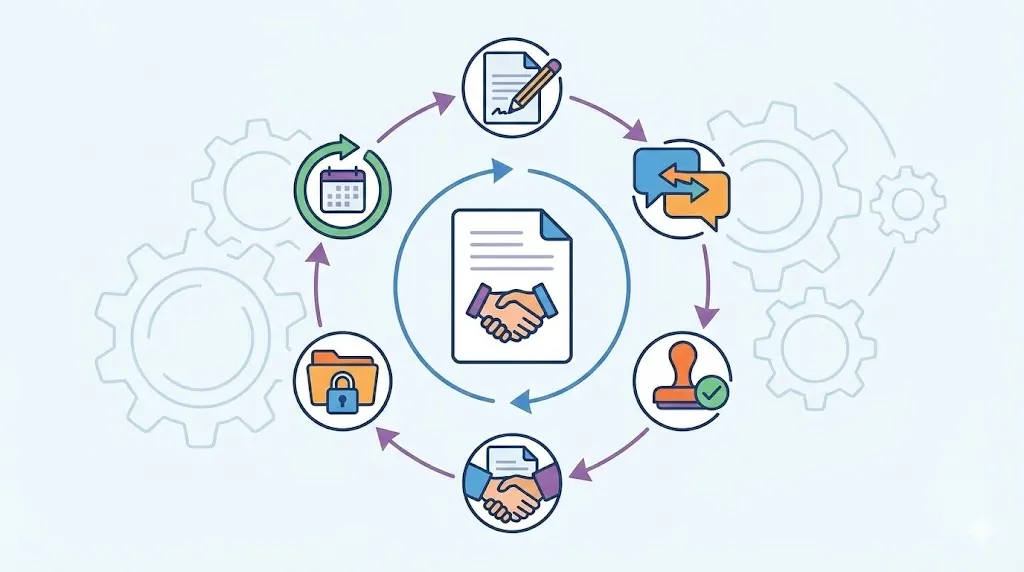
Volody AI CLM is an Agentic AI-powered Contract Lifecycle Management platform designed to eliminate manual contracting tasks, automate complex workflows, and deliver actionable insights. As a one-stop shop for all contract activities, it covers drafting, collaboration, negotiation, approvals, e-signature, compliance tracking, and renewals. Built with enterprise-grade security and no-code configuration, it meets the needs of the most complex global organizations. Volody AI CLM also includes AI-driven contract review and risk analysis, helping teams detect issues early and optimize terms. Trusted by Fortune 500 companies, high-growth startups, and government entities, it transforms contracts into strategic, data-driven business assets.





" height="216.72211px" id="FYO0bO80Y" transform="translate(3 6.105)" width="206.073px"/><path d="M 108.174 222 C 88.432 222 70.303 217.239 53.785 207.717 C 37.267 198.196 24.173 185.052 14.504 168.285 C 4.835 151.312 0 132.165 0 110.845 C 0 89.731 4.835 70.792 14.504 54.025 C 24.173 37.052 37.267 23.804 53.785 14.282 C 70.303 4.761 88.432 0 108.174 0 C 128.116 0 146.246 4.761 162.562 14.282 C 179.08 23.804 192.073 37.052 201.541 54.025 C 211.21 70.792 216.044 89.731 216.044 110.845 C 216.044 132.165 211.21 151.312 201.541 168.285 C 192.073 185.052 179.08 198.196 162.562 207.717 C 146.044 217.239 127.915 222 108.174 222 Z M 108.174 183.189 C 120.864 183.189 132.044 180.291 141.713 174.495 C 151.382 168.492 158.936 160.006 164.375 149.035 C 169.814 138.064 172.533 125.334 172.533 110.845 C 172.533 96.355 169.814 83.729 164.375 72.965 C 158.936 61.994 151.382 53.611 141.713 47.815 C 132.044 42.02 120.864 39.122 108.174 39.122 C 95.483 39.122 84.202 42.02 74.332 47.815 C 64.663 53.611 57.109 61.994 51.67 72.965 C 46.231 83.729 43.511 96.355 43.511 110.845 C 43.511 125.334 46.231 138.064 51.67 149.035 C 57.109 160.006 64.663 168.492 74.332 174.495 C 84.202 180.291 95.483 183.189 108.174 183.189 Z" fill="rgba(255, 255, 255, 0.12)" height="222px" id="aa1McFcE9" transform="translate(227.183 3)" width="216.04399999999998px"/><path d="M 42.302 182.257 L 111.799 182.257 L 111.799 216.722 L 0 216.722 L 0 0 L 42.302 0 Z" fill="rgba(255, 255, 255, 0.12)" height="216.72211px" id="yRq4AnrsX" transform="translate(477.721 6.105)" width="111.79899999999998px"/><path d="M 108.174 222 C 88.432 222 70.303 217.239 53.785 207.717 C 37.267 198.196 24.173 185.052 14.504 168.285 C 4.835 151.312 0 132.165 0 110.845 C 0 89.731 4.835 70.792 14.504 54.025 C 24.173 37.052 37.267 23.804 53.785 14.282 C 70.303 4.761 88.432 0 108.174 0 C 128.116 0 146.246 4.761 162.562 14.282 C 179.08 23.804 192.073 37.052 201.541 54.025 C 211.21 70.792 216.045 89.731 216.045 110.845 C 216.045 132.165 211.21 151.312 201.541 168.285 C 192.073 185.052 179.08 198.196 162.562 207.717 C 146.044 217.239 127.915 222 108.174 222 Z M 108.174 183.189 C 120.864 183.189 132.044 180.291 141.713 174.495 C 151.382 168.492 158.936 160.006 164.375 149.035 C 169.814 138.064 172.534 125.334 172.534 110.845 C 172.534 96.355 169.814 83.729 164.375 72.965 C 158.936 61.994 151.382 53.611 141.713 47.815 C 132.044 42.02 120.864 39.122 108.174 39.122 C 95.483 39.122 84.202 42.02 74.332 47.815 C 64.663 53.611 57.108 61.994 51.67 72.965 C 46.231 83.729 43.511 96.355 43.511 110.845 C 43.511 125.334 46.231 138.064 51.67 149.035 C 57.108 160.006 64.663 168.492 74.332 174.495 C 84.202 180.291 95.483 183.189 108.174 183.189 Z" fill="rgba(255, 255, 255, 0.12)" height="222px" id="mo8HQspQ0" transform="translate(609.155 3)" width="216.04500000000007px"/><path d="M 73.727 0 C 95.885 0 115.324 4.45 132.044 13.351 C 148.967 22.252 161.957 34.982 171.027 51.541 C 180.287 67.894 184.917 86.937 184.917 108.671 C 184.917 130.405 180.287 149.449 171.027 165.801 C 161.957 181.947 148.967 194.47 132.044 203.371 C 115.324 212.271 95.885 216.722 73.727 216.722 L 0 216.722 L 0 0 Z M 72.216 179.773 C 94.374 179.773 111.497 173.564 123.583 161.144 C 135.669 148.724 141.713 131.233 141.713 108.671 C 141.713 86.109 135.669 68.515 123.583 55.888 C 111.497 43.055 94.374 36.638 72.216 36.638 L 42.302 36.638 L 42.302 179.773 Z" fill="rgba(255, 255, 255, 0.12)" height="216.72211px" id="I3iXX5Hi_" transform="translate(859.693 6.105)" width="184.91699999999992px"/><path d="M 185.22 0 L 113.91 141.273 L 113.91 216.722 L 71.61 216.722 L 71.61 141.273 L 0 0 L 47.74 0 L 93.06 99.046 L 138.08 0 Z" fill="rgba(255, 255, 255, 0.12)" height="216.72211px" id="nzHyWC0_d" transform="translate(1061.78 6.105)" width="185.22000000000003px"/></svg>)