

License agreements protect your intellectual property while enabling others to use it. But the real challenge lies in including the right clauses to make these agreements truly bulletproof. Without clear, enforceable terms, you risk losing control, revenue, and legal rights.
Imagine a software company licensing its code to multiple partners worldwide. If the agreement lacks precise language on usage limits or renewal terms, the company may face unauthorized use or missed payments. This article breaks down the key clauses you need to safeguard your IP and manage risks effectively.
TL;DR
Clearly defining the scope of rights is necessary to prevent conflicts concerning authorized uses and territorial limitations.
Additionally, clarification of exclusivity and sublicensing conditions ensures robust control over intellectual property assets.
Provisions that thoroughly cover duration, renewal, and termination are indispensable for effective contract lifecycle management.
Defining payment mechanisms—including royalties, fees, and audit privileges—is critical to safeguarding revenue streams.
Trademark-specific quality control provisions serve as a fundamental mechanism to uphold brand standards and enforce legal protections.
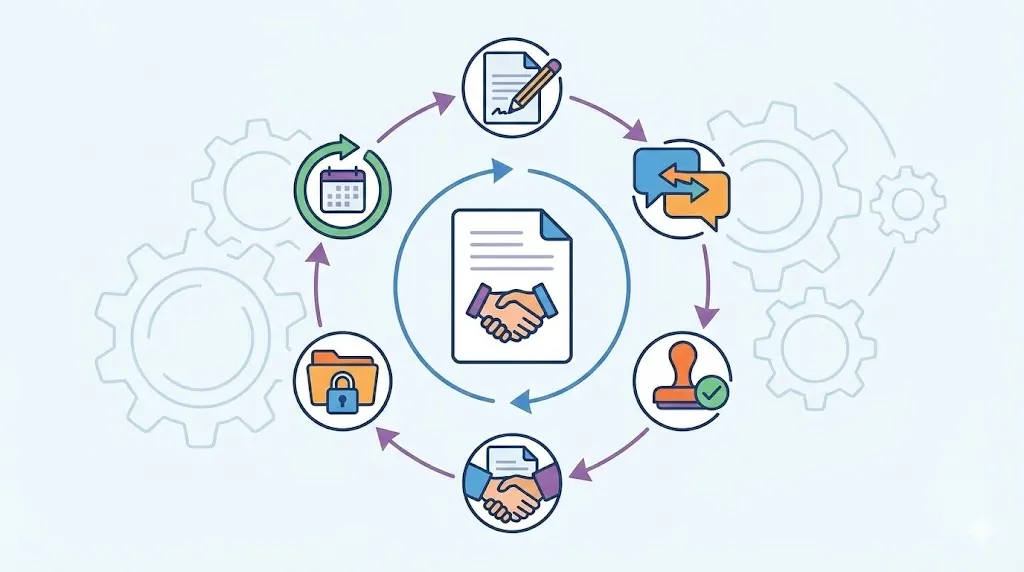
Employing contract management systems facilitates automated tracking of obligations, deadlines, and compliance requirements.
Related Article: Key Clauses Every License Agreement Should Include
What Exactly Is a License Agreement?
A license agreement is a legal contract where the owner of intellectual property (IP) lets another party use it under specific conditions. Additionally, the owner, known as the licensor, retains ownership while conferring limited rights to the licensee. Think of it as renting your IP rather than selling it outright.
This type of agreement governs an ongoing relationship. You don’t just hand over a product and walk away. Instead, the agreement specifies the allowed applications of the IP, the duration of the license, and the consequences for any breach of terms.
According to the U.S. Licensing Industry Merchandisers’ Association, the licensing industry was valued at nearly $70 billion in 2026, reflecting its substantial economic footprint. Licensing constitutes an essential component in sectors including software, entertainment, pharmaceuticals, and manufacturing.
Every enforceable license agreement needs to cover these basics:
Identified IP: Specify exactly what intellectual property is licensed.
Licensor and Licensee: Clearly name the parties involved.
Grant of Rights: Clarify the authorized and prohibited uses the licensee may undertake regarding the IP.
Consideration: State what the licensor receives in return, such as royalties or fees.
Restrictions: Outline limits on usage to protect the IP’s value.
Related articles: What is Software License Agreement? Know the Basics
What Types of License Agreements Are There?
The type of license you grant shapes the entire agreement. Additionally, it also determines which rights you transfer and which controls remain under your authority. Below are the three primary license categories:
Exclusive License
An exclusive license conveys usage privileges to one licensee, excluding even the licensor from exercising those rights within the defined scope. This is the most restrictive and often commands the highest price.
Key points to focus on here include:
Defining the exact territory where the license applies.
Whether the licensee can sublicense the IP to others.
Minimum performance or sales targets to keep the license active.
Non-Exclusive License
A non-exclusive license allows multiple parties to concurrently exploit the IP, with the licensor retaining the ability to license it to others. Moreover, this is common in software or content licensing.
Given that several entities may exploit the intellectual property, it is crucial to specify:
Geographic boundaries to prevent market overlap.
Permitted distribution methods for the licensee.
The structure for calculating royalties or fees among licensees.
Sole License
A sole license grants usage rights to one licensee while the licensor retains the right to use the IP themselves. This is less common but useful in joint development or consulting arrangements.
License Type | Number of Licensees | Licensor Usage Rights | Typical Pricing | Common Use Cases |
|---|---|---|---|---|
Exclusive | One | No | Highest | Pharma patents, franchises |
Non-Exclusive | Multiple | Yes | Lowest | Software, music licensing |
Sole | One | Yes | Moderate | Co-development, consulting |
Related articles: Dispute Resolution Clause: How to Draft a Strong One
What Are the Key Clauses in License Agreements?
Certain clauses are fundamental components in most license agreements. Additionally, they mitigate potential risks while establishing detailed responsibilities for each party involved. The absence of clear or detailed clauses frequently leads to disputes down the line.
Grant of Rights and Scope of Use
This provision details the precise rights conferred to the licensee in relation to your IP. It covers:
Types of use (manufacture, distribute, modify, display).
Formats or media where the IP applies.
Field-of-use restrictions limiting the license to certain industries or applications.
Vague language here leads to confusion and conflict. Be as specific as possible. For example, say "licensee may distribute software only within North America and not modify source code" instead of broad terms like "use software commercially."
Exclusivity and Sublicensing
Indicate whether the license is exclusive, non-exclusive, or sole. You should also specify the terms and limitations governing the grant of sublicenses.
Uncontrolled sublicensing can rapidly erode the value of your intellectual property. Most licensors require prior written consent before sublicensing. Sometimes sublicensing is prohibited entirely.
Territory and Distribution Channels
Moreover, define the geographic area where the license applies. This is crucial for physical goods and digital products alike.
Digital licenses often require special attention. Software accessible online can be used globally, so specify where online sales or access are permitted. For example, "licensee may sell software only to customers located in the European Union."
Also, specify allowed distribution channels such as retail, online marketplaces, or direct sales.
Term, Renewal, and Termination
Specify the duration of the contract along with the terms for renewal or early termination.
Make a clear distinction between:
Termination for cause: Contract cessation due to breach or insolvency.
Termination for convenience: Contract cessation without cause, usually with notice.
Irrevocable licenses, where the licensor cannot terminate at will, require very precise language and caution.
Royalties, Fees, and Payment Terms
Outline how the licensee pays for the rights. This includes:
Royalty rates (percentage of sales or fixed fees).
Minimum guarantees to ensure baseline payments.
Payment schedules and methods.
Furthermore, include audit rights to verify royalty reports and prevent underpayment.
Quality Control Clauses for Trademarks
For trademark licenses, include quality control provisions. These ensure the licensee maintains standards that protect the trademark’s value.
Failure to monitor quality can lead to "naked licensing," which risks losing trademark protection entirely.
Confidentiality and Data Protection
If the license involves sharing sensitive information or data, include confidentiality obligations. Specify how data must be handled, stored, and protected.
Indemnification and Liability
Define who is responsible for damages or legal claims arising from the licensee’s use of the IP. This protects the licensor from liability caused by misuse.
Dispute Resolution and Governing Law
Specify how disputes will be resolved (mediation, arbitration, court) and which jurisdiction’s laws apply. This avoids costly legal battles in unfamiliar venues.
Related articles: 20 Key Contract Clauses Every Business Should Know in 2026
How Do License Agreement Clauses Vary by IP Type?
Different types of intellectual property require tailored clauses. Additionally, the specific legal considerations and risk profiles vary significantly among patents, trademarks, copyrights, and software.
Patent License Clauses
Patents protect inventions and processes. Essential provisions address:
Field of use: Restrict the license to designated industries or applications.
Improvements: Define entitlement to inventions developed during the license term.
Infringement handling: Clarify responsibility for enforcing patent rights against third parties.
Trademark License Clauses
Trademarks protect brand names and logos. Critical elements include:
Quality control: Establish standards for products or services bearing the trademark.
Usage parameters: Specify how the trademark may be presented in marketing and advertising contexts.
Termination triggers: Outline circumstances under which the license may be revoked if quality benchmarks are not maintained.
Copyright License Clauses
Copyright safeguards creative works such as music, literature, and software code. Typical provisions encompass:
Scope of use: Rights related to reproduction, distribution, and public display.
Derivative works: Define the extent to which the licensee may create modified or adapted versions of the original work.
Moral rights: Ensure protection of the creator’s personal and reputational interests associated with the work.
Software License Clauses
Provisions for software licenses often reflect complexities arising from both copyright and patent law. Among the key contractual elements are:
Usage limits: These provisions restrict the number of users, devices, or installations authorized under the license.
Source code access: This clause delineates the licensee’s rights concerning inspection and potential modification of the software’s underlying code.
Support and updates: This section defines the licensor’s responsibilities for maintenance services and the delivery of ongoing software enhancements.
Related articles: Aligning Legal Ops with General Counsel to Reduce Cost Risks
How to Draft a License Agreement Step by Step
Drafting a license agreement requires careful planning and attention to detail. Follow these steps to build a solid contract:
Identify the IP and parties: Clearly describe the intellectual property and name all parties.
Define the grant of rights: Specify what the licensee can do, including limits on use and geography.
Set financial terms: Include detailed provisions covering royalties, fees, the timing and method of payments, as well as provisions granting audit rights to verify financial compliance.
Outline term and termination: Establish the duration of the agreement, conditions for renewal, and specific grounds that would justify termination.
Include quality control and compliance: Particularly for trademarks and other sensitive intellectual property, incorporate mechanisms for monitoring use and enforcing quality standards.
Add legal protections: Cover confidentiality, indemnity, liability, and dispute resolution.
Review and negotiate: Both parties should review carefully and negotiate terms to avoid ambiguity.
Finalize and execute: Use clear language, proper signatures, and store the agreement securely.
Example: A biotech company licensing a patent to a manufacturer would specify the exact medical fields covered, royalty percentages on sales, minimum production targets, along with provisions allowing compliance inspections.
Related articles: Contract Templates Standardization: Simplifying Legal Work
How to Manage License Agreement Clauses After Signing
Signing the agreement is just the beginning. Additionally, effective management of license agreements is crucial to avoiding revenue leakage and mitigating legal risks.
Studies show organizations lose an average of 11% of contract value after signing due to missed renewals, underreported royalties, and poor enforcement.
Key management practices include:
Maintaining a centralized contract repository enables secure storage of all license agreements, facilitating immediate access when needed.
Implementing automated alert systems ensures that relevant stakeholders receive timely notifications about upcoming renewal deadlines, payment obligations, and audit periods.
Obligation tracking involves vigilant oversight of licensee compliance with essential contractual terms, including sales quotas and quality benchmarks.
Performing regular audits is essential for verifying royalty payments and conducting compliance assessments to promptly identify any irregularities or unauthorized use.
Establishing rigorous version control procedures, such as detailed amendment documentation, guarantees that all parties reference the most current and executed agreement iteration.
Using contract lifecycle management (CLM) software streamlines these processes, minimizing manual errors and enhancing operational efficiency.
Related articles: 5 Best CLM & Contract Management Software in CA
Why Contract Management Software Matters
Handling complex license agreements without automation creates considerable exposure to risk and operational delays. Contract management software enhances efficiency by centralizing agreements and streamlining critical workflows.
Such software allows you to:
Automatically extract key metadata including parties, dates, and payment terms.
Generate timely alerts for renewals, terminations, and contractual obligations.
Display interactive dashboards that highlight contract statuses, potential risks, and upcoming deadlines.
Facilitate collaborative work through version control, commenting features, and structured approval workflows.
Seamlessly connect with e-signature platforms to accelerate contract execution.
Volody’s platform for contract lifecycle management integrates sophisticated AI tools to assist with drafting, thorough review, and oversight of obligations within contracts. This empowers legal and operations teams to mitigate risks and enhance revenue assurance.
Discover how Volody's CLM Software can enhance your team’s capability to manage licensing agreements with confidence and precision.
FAQ
What is the most important clause in a license agreement?
The grant of rights clause is critical because it defines exactly what the licensee can do with the IP. Moreover, vague language here causes disputes and legal uncertainty.
How do exclusivity and sublicensing influence license agreements?
Exclusivity limits usage rights to designated parties, thereby often increasing the value of the license. Sublicensing clauses protect against unauthorized third-party use, preserving the integrity of the IP.
Why are quality control clauses necessary for trademark licenses?
They ensure the licensee maintains standards that protect the trademark’s reputation. Without them, the trademark owner risks losing legal protection due to "naked licensing." How can I prevent revenue loss after signing a licensing contract?
What should I include in royalty payment terms?
Specify rates, minimum guarantees, payment schedules, and audit rights. Clear terms prevent underreporting and disputes.
Furthermore, is early termination of a license agreement possible?
Termination is possible when provisions for it are explicitly included in the contract. It is important to distinguish between termination for cause, such as breach, and termination for convenience without cause.
How does territory affect license agreements for digital products?
Digital products can be accessed globally, so specify allowed geographic regions and online sales channels to avoid unauthorized use.
What role does contract management software play in licensing?
This technology automates the tracking of obligations, deadlines, and payments while centralizing documents and enhancing team collaboration, thereby minimizing errors and delays.
How do license agreements differ by IP type?
Patents focus on inventions and fields of use; trademarks require quality control; copyrights cover reproduction rights; software licenses address usage limits and code access.
What happens if a licensee breaches the agreement?
The agreement should specify remedies such as termination, damages, or injunctive relief. Clear breach and dispute resolution clauses help enforce your rights.
About the Company

Volody AI CLM is an Agentic AI-powered Contract Lifecycle Management platform designed to eliminate manual contracting tasks, automate complex workflows, and deliver actionable insights. As a one-stop shop for all contract activities, it covers drafting, collaboration, negotiation, approvals, e-signature, compliance tracking, and renewals. Built with enterprise-grade security and no-code configuration, it meets the needs of the most complex global organizations. Volody AI CLM also includes AI-driven contract review and risk analysis, helping teams detect issues early and optimize terms. Trusted by Fortune 500 companies, high-growth startups, and government entities, it transforms contracts into strategic, data-driven business assets.





" height="216.72211px" id="FYO0bO80Y" transform="translate(3 6.105)" width="206.073px"/><path d="M 108.174 222 C 88.432 222 70.303 217.239 53.785 207.717 C 37.267 198.196 24.173 185.052 14.504 168.285 C 4.835 151.312 0 132.165 0 110.845 C 0 89.731 4.835 70.792 14.504 54.025 C 24.173 37.052 37.267 23.804 53.785 14.282 C 70.303 4.761 88.432 0 108.174 0 C 128.116 0 146.246 4.761 162.562 14.282 C 179.08 23.804 192.073 37.052 201.541 54.025 C 211.21 70.792 216.044 89.731 216.044 110.845 C 216.044 132.165 211.21 151.312 201.541 168.285 C 192.073 185.052 179.08 198.196 162.562 207.717 C 146.044 217.239 127.915 222 108.174 222 Z M 108.174 183.189 C 120.864 183.189 132.044 180.291 141.713 174.495 C 151.382 168.492 158.936 160.006 164.375 149.035 C 169.814 138.064 172.533 125.334 172.533 110.845 C 172.533 96.355 169.814 83.729 164.375 72.965 C 158.936 61.994 151.382 53.611 141.713 47.815 C 132.044 42.02 120.864 39.122 108.174 39.122 C 95.483 39.122 84.202 42.02 74.332 47.815 C 64.663 53.611 57.109 61.994 51.67 72.965 C 46.231 83.729 43.511 96.355 43.511 110.845 C 43.511 125.334 46.231 138.064 51.67 149.035 C 57.109 160.006 64.663 168.492 74.332 174.495 C 84.202 180.291 95.483 183.189 108.174 183.189 Z" fill="rgba(255, 255, 255, 0.12)" height="222px" id="aa1McFcE9" transform="translate(227.183 3)" width="216.04399999999998px"/><path d="M 42.302 182.257 L 111.799 182.257 L 111.799 216.722 L 0 216.722 L 0 0 L 42.302 0 Z" fill="rgba(255, 255, 255, 0.12)" height="216.72211px" id="yRq4AnrsX" transform="translate(477.721 6.105)" width="111.79899999999998px"/><path d="M 108.174 222 C 88.432 222 70.303 217.239 53.785 207.717 C 37.267 198.196 24.173 185.052 14.504 168.285 C 4.835 151.312 0 132.165 0 110.845 C 0 89.731 4.835 70.792 14.504 54.025 C 24.173 37.052 37.267 23.804 53.785 14.282 C 70.303 4.761 88.432 0 108.174 0 C 128.116 0 146.246 4.761 162.562 14.282 C 179.08 23.804 192.073 37.052 201.541 54.025 C 211.21 70.792 216.045 89.731 216.045 110.845 C 216.045 132.165 211.21 151.312 201.541 168.285 C 192.073 185.052 179.08 198.196 162.562 207.717 C 146.044 217.239 127.915 222 108.174 222 Z M 108.174 183.189 C 120.864 183.189 132.044 180.291 141.713 174.495 C 151.382 168.492 158.936 160.006 164.375 149.035 C 169.814 138.064 172.534 125.334 172.534 110.845 C 172.534 96.355 169.814 83.729 164.375 72.965 C 158.936 61.994 151.382 53.611 141.713 47.815 C 132.044 42.02 120.864 39.122 108.174 39.122 C 95.483 39.122 84.202 42.02 74.332 47.815 C 64.663 53.611 57.108 61.994 51.67 72.965 C 46.231 83.729 43.511 96.355 43.511 110.845 C 43.511 125.334 46.231 138.064 51.67 149.035 C 57.108 160.006 64.663 168.492 74.332 174.495 C 84.202 180.291 95.483 183.189 108.174 183.189 Z" fill="rgba(255, 255, 255, 0.12)" height="222px" id="mo8HQspQ0" transform="translate(609.155 3)" width="216.04500000000007px"/><path d="M 73.727 0 C 95.885 0 115.324 4.45 132.044 13.351 C 148.967 22.252 161.957 34.982 171.027 51.541 C 180.287 67.894 184.917 86.937 184.917 108.671 C 184.917 130.405 180.287 149.449 171.027 165.801 C 161.957 181.947 148.967 194.47 132.044 203.371 C 115.324 212.271 95.885 216.722 73.727 216.722 L 0 216.722 L 0 0 Z M 72.216 179.773 C 94.374 179.773 111.497 173.564 123.583 161.144 C 135.669 148.724 141.713 131.233 141.713 108.671 C 141.713 86.109 135.669 68.515 123.583 55.888 C 111.497 43.055 94.374 36.638 72.216 36.638 L 42.302 36.638 L 42.302 179.773 Z" fill="rgba(255, 255, 255, 0.12)" height="216.72211px" id="I3iXX5Hi_" transform="translate(859.693 6.105)" width="184.91699999999992px"/><path d="M 185.22 0 L 113.91 141.273 L 113.91 216.722 L 71.61 216.722 L 71.61 141.273 L 0 0 L 47.74 0 L 93.06 99.046 L 138.08 0 Z" fill="rgba(255, 255, 255, 0.12)" height="216.72211px" id="nzHyWC0_d" transform="translate(1061.78 6.105)" width="185.22000000000003px"/></svg>)