

Contracts often get a bad rap as dry, legal documents. But they are much more than that. They are the foundation of trust between companies. When done right, contracts set clear promises and expectations. This clarity helps businesses build stronger bonds and work together toward shared goals. Understanding how contracts can help companies build trust, strengthen bonds, and build a better world is key for legal, operations, and enterprise tech leaders aiming to improve partnerships and outcomes.
Imagine a company working with multiple suppliers worldwide. Without clear contracts, confusion and disputes can arise. With well-crafted contracts, everyone knows their role, responsibilities, and the standards they must meet. This reduces risk and creates confidence. Contracts become a tool for transparency and accountability, not just paperwork.
TL;DR
Contracts serve as legally enforceable agreements through which companies demonstrate reliability by meeting their obligations.
Additionally, when contract provisions are explicitly defined, they ensure that collaborating entities share a common understanding of principles, anticipated outcomes, and compliance requirements.
The integration of contract management technologies facilitates methodical oversight and execution of agreed responsibilities.
Contracts function as instruments to uphold ethical standards and societal expectations, thereby reinforcing an organization's reputation.
AI-driven contract intelligence reveals latent data that enhances strategic decision-making.
Contract management software enhances operational workflows and mitigates potential risks.
Why Do Contracts Matter for Trust in Business?
Contracts are more than legal forms. Additionally, they establish the essential basis on which intercompany trust develops. Trust emerges when commitments are explicitly defined and consistently fulfilled. A contract serves as the official record of these commitments. When companies uphold these agreements, they demonstrate dependability. This dependability in turn cultivates confidence within the partnership.
Trust reduces friction in business. When partners trust each other, they communicate better, collaborate more, and solve problems faster. Contracts establish clear guidelines from the outset. They minimize misunderstandings and unexpected developments. All parties have a clear understanding of anticipated outcomes.
Contracts also protect companies. They outline the ramifications if obligations are not met. In addition, this diminishes risks and the likelihood of disputes. Moreover, knowing there is a fair process for disputes reassures partners. It encourages openness and honesty.
A study by the Economist Impact found that 83% of business leaders believe setting contract terms at the start builds trust. This shows how critical contracts are in forming solid relationships.
Contracts also reflect company values. Including terms about social responsibility, environmental standards, or ethical practices shows what matters to a business. Partners who share these values feel more aligned and committed.
For example, a company might include clauses requiring suppliers to follow fair labor practices or reduce carbon emissions. These clauses hold partners accountable and demonstrate shared commitment to a better world.
Contracts create a framework for accountability. They turn vague promises into measurable obligations. This transparency fosters trust because all parties understand the criteria for success.
Related articles: How Legal and Finance Can Collaborate Better on Contracts
How Do Contracts Strengthen Business Bonds?
Contracts do more than build trust. Additionally, they reinforce business relationships by establishing well-defined connections between partners. These connections improve cooperation and long-term success.
First, contracts set expectations. They define roles, responsibilities, timelines, and deliverables. This clarity reduces confusion and conflict. Partners can focus on working together rather than negotiating details later.
Second, contracts create transparency. They document commitments, performance metrics, and reporting requirements. This openness helps partners monitor progress and address issues early.
Third, contracts encourage collaboration. Communication protocols and escalation paths are often embedded within the agreement to facilitate ongoing dialogue. This framework helps partners maintain alignment and address challenges promptly.
Fourth, contracts cultivate mutual respect within the partnership by ensuring rights and responsibilities are fairly allocated. Such equitable arrangements promote goodwill and foster loyalty.
Moreover, fifth, contracts facilitate ongoing refinement of the partnership. Including provisions for periodic review and renewal enables partners to adapt terms as circumstances change, thereby deepening their collaboration.
Consider a company partnering with a logistics provider. Their contract might specify delivery times, quality standards, and penalties for delays. This clarity establishes unambiguous expectations. Periodic performance assessments may also be stipulated in the agreement. These measures help sustain accountability and keep both parties actively engaged.
Strong contracts form a bedrock of stability that companies can rely upon during periods of uncertainty. When unforeseen challenges arise, the contract provides a structured approach for dispute resolution, helping to ease tension and protect the relationship.
Contracts also help companies align on shared goals. Including clauses about sustainability, diversity, or innovation shows commitment beyond profit. Partners who share these goals are more motivated to succeed together.
Ultimately, contracts turn business relationships into partnerships. They build a foundation of trust, clarity, and mutual benefit that lasts.
Related articles: How Contract Audit Trails Strengthen Compliance
What Role Do Contracts Play in Corporate Social Responsibility?
Contracts are powerful tools for advancing corporate social responsibility (CSR). Additionally, CSR requires companies to operate ethically with respect to society, the environment, and their stakeholders. Contracts can embed these values into business relationships.
Many companies now include environmental, social, and governance (ESG) clauses in contracts. These clauses set standards for responsible behavior. They might cover labor rights, environmental impact, anti-corruption, or data privacy.
For example, a contract with a supplier might require compliance with fair labor laws and regular audits. Another contract might demand reducing greenhouse gas emissions or using sustainable materials.
Including CSR clauses shows a company’s commitment to ethical practices. It also holds partners accountable. This reduces risks related to reputation, legal penalties, or supply chain disruptions.
According to a survey by Deloitte, 69% of companies agree contracts can enforce ESG obligations, but only about a third include such clauses. Moreover, this gap shows room for improvement.
In addition, contracts provide a framework that renders CSR commitments both measurable and enforceable. They clarify what partners must do and how compliance is monitored. This transparency builds trust among customers, investors, and employees.
Contracts also encourage continuous improvement. They can require partners to report progress or implement corrective actions. This drives better social and environmental outcomes.
Embedding CSR in contracts enables companies to integrate their business objectives with broader societal imperatives. Doing so generates shared value for all stakeholders.
Related articles: Explore What is Good Faith in Contract Negotiations? Unlock Success
How Can Technology Improve Contract Management and Trust?
Managing contracts manually is slow and error-prone. Additionally, this approach also introduces risks and undermines trust. Technology can improve contract management by making it faster, more accurate, and transparent.
Contract management software centralizes contract storage while offering comprehensive tracking of critical dates, contractual obligations, and performance indicators. This level of oversight is crucial for ensuring deadlines are met and commitments are fulfilled reliably.
Advanced solutions utilize artificial intelligence (AI) to extract pertinent data from contract documents with precision and consistency.
Known as contract intelligence, this approach translates intricate legal language into actionable insights that support informed decision-making.
AI further identifies obligations, risks, renewal dates, and more.
Moreover, this visibility helps companies monitor compliance and spot issues early. It also supports better decision-making by linking contracts to operational systems like ERP or CRM.
Technology reduces manual work. It automates workflows for contract creation, review, approval, and signature. This speeds up processes and reduces errors.
A survey by PwC found that organizations adopting these digital tools reduce contract cycle times by up to 50%. Faster contract turnaround translates into quicker deals and stronger partnerships.
Furthermore, technology also supports collaboration. Cloud-based platforms let legal, procurement, and business teams work together in real time. This improves communication and alignment.
Tracking obligations with software prevents missed deadlines or deliverables. This reliability builds trust with partners.
Technology also helps enforce CSR commitments. It can monitor ESG clauses and generate compliance reports. This ensures partners meet ethical standards.
Overall, these digital solutions strengthen trust by increasing transparency, accountability, and efficiency.
Related Articles: 10 Tips for Contract Negotiation : Strategies Toward Success
What Are the Challenges Companies Face in Using Contracts to Build Trust?
Despite the benefits, many companies struggle to use contracts effectively for trust-building. Additionally, several obstacles impede their progress.
First, contract complexity is a barrier. Contracts often contain dense legal language that is hard to understand. This limits transparency and alignment.
Second, many companies still manage contracts manually. Paper files or spreadsheets make it difficult to track obligations and deadlines. This often results in errors and overlooked commitments.
Third, integrating contract data with existing business systems presents a significant hurdle. When this integration is lacking, contract information remains siloed, diminishing its practical value.
Fourth, the absence of well-defined protocols for contract creation, review, and approval can cause delays and procedural bottlenecks.
Fifth, enforcing CSR clauses can be difficult. In addition, monitoring compliance across global suppliers demands substantial resources and advanced technology.
Sixth, cultural resistance to change can slow adoption of contract management tools. Teams may prefer traditional methods or fear losing control.
Finally, data security and privacy concerns may limit cloud adoption. Companies worry about protecting sensitive contract information.
Addressing these challenges requires commitment from leadership. Companies must commit resources to technology deployment, workforce training, and the simplification of contract language.
Establishing robust governance frameworks together with uniform operational procedures is essential to harness contracts as effective instruments for fostering trust.
Maintaining partner accountability relies on frequent audits and thorough performance reviews.
Employing AI and automation not only reduces complexity but also enhances accuracy.
As a result, contract data becomes significantly easier to access and utilize.
Overcoming these hurdles unlocks the full potential of contracts to build trust and stronger bonds.
Related articles: Procurement Contract Risks That Could Sink Your Business
How Can Companies Start Using Contracts to Build Trust Today?
Companies can take practical steps to use contracts as trust-building tools.
Additionally, start by simplifying contract language. Use clear, plain English to make terms understandable for all parties.
Define clear obligations. Specify who does what, when, and how, incorporating quantifiable criteria.
Incorporate values and CSR clauses. Moreover, align contractual terms with your company’s ethical standards.
Adopt contract management software. This approach helps consolidate all agreements in a single platform, while also enabling deadline tracking and workflow automation.
Use AI tools to extract and analyze contract data. These technologies provide granular insights into specific obligations and highlight areas of potential risk.
Furthermore, train teams on contract processes and tools. Ensuring personnel understand their responsibilities deeply enhances operational effectiveness.
Monitor compliance regularly. Implement systematic audits and mandate reporting from partners.
Establish escalation paths for disputes. Also, defining clear channels for conflict resolution is essential to maintaining trust.
Review and update contracts periodically. Regular reassessment ensures terms remain aligned with changing business needs and regulatory demands.
Communicate openly with partners. Share expectations and progress transparently.
For example, a company might start by digitizing its existing contracts and tagging key obligations. Following that, automated reminders can be configured to highlight approaching deadlines. Subsequently, the integration of CSR clauses can be pursued alongside the application of analytics for compliance monitoring.
These initiatives foster an environment where accountability and transparency are integral to operations. Consequently, organizations enhance their trustworthiness and solidify collaborative partnerships.
Related articles: How Machine Learning Transforms Contract Management Today
Why Contract Management Software Matters
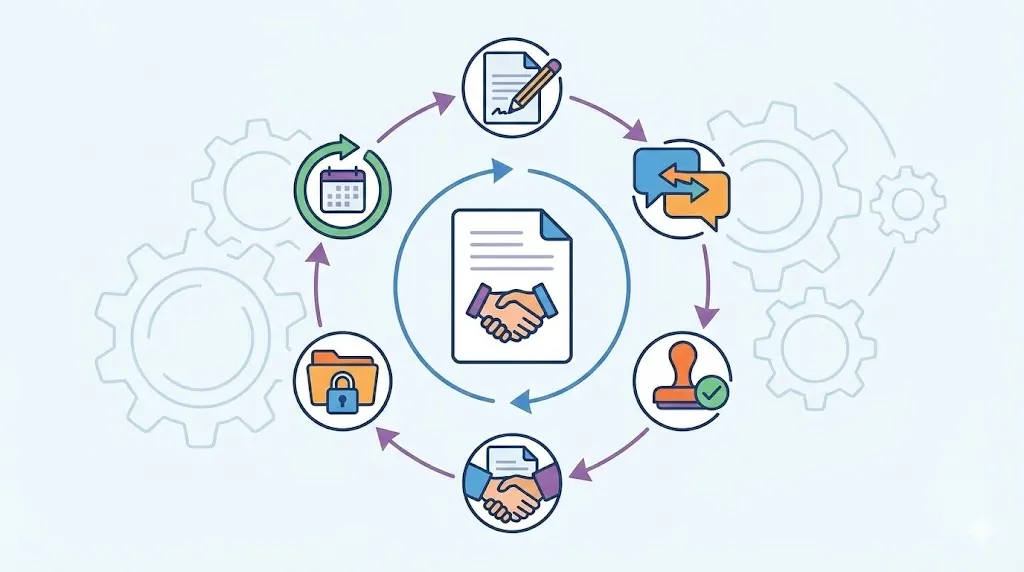
Managing contracts without automation often results in inefficiencies and increased exposure to errors. Additionally, centralization combined with automation of contract workflows provides a robust solution to these persistent challenges.
This software consolidates all contracts into a secure, single repository. It tracks key dates like renewals, milestones, and deadlines. Alerts triggered automatically ensure no obligations are overlooked.
AI-driven functionality enables the extraction of essential data from contracts. This encompasses parties involved, payment terms, obligations, and potential risks. Teams gain rapid access to essential contract information.
By streamlining approval cycles, this functionality reduces delays and alleviates bottlenecks. Electronic signatures enable fast execution.
Collaboration tools let legal and business teams comment and negotiate in real time. Version control tracks every change.
Contract repositories support compliance by maintaining audit trails and access controls.
The overall impact is a marked improvement in accuracy, productivity, and transparency. This approach also reduces legal exposure while enhancing trust with partners.
Volody provides a contract management platform specifically designed to meet enterprise-scale demands. Features include AI contract drafting and review, obligation tracking, and risk analysis. Its user-friendly interface supports collaboration across departments.
Volody integrates with Microsoft Word, ERP, CRM, and e-signature platforms. This fits into existing business ecosystems.
With features like automated reminders, clause libraries, and dashboards, Volody helps companies keep promises and strengthen relationships.
Interested in discovering how Volody can streamline your legal workflows? Check out Volody's CLM Software.
FAQ
How do contracts contribute to building trust between companies?
Additionally, by establishing clear promises and expectations at the outset, contracts lay the groundwork for trust. When companies consistently fulfill these commitments, they cultivate a reputation for dependability. Such adherence diminishes uncertainty and bolsters confidence in the collaborative relationship.
What factors contribute to a contract’s effectiveness in reinforcing partnerships?
A well-constructed contract delineates specific roles, responsibilities, timelines, and standards. It promotes transparent communication and equitable terms. Moreover, clear definitions like these also ease collaboration and help resolve disputes between partners.
Can contracts enforce social and environmental standards?
Yes. Contracts can include provisions that mandate adherence to ethical principles alongside environmental and social practices. These clauses hold partners accountable and demonstrate shared values.
How does contract management technology improve trust?
Contract management platforms consolidate agreements, monitor compliance, and streamline operational workflows. Furthermore, the incorporation of AI enables extraction of essential data, enhancing oversight capabilities. This integrated approach increases transparency and dependability, thereby fostering trust among stakeholders.
What are common obstacles to using contracts for trust-building?
Challenges include complex legal language, manual processes, lack of integration, and resistance to change. These issues limit transparency and timely fulfillment of obligations.
How can companies start using contracts to build trust?
Also, they should simplify language, define clear obligations, include CSR clauses, adopt contract software, train teams, and monitor compliance regularly.
Also, what features should contract management software have?
Key features include a central repository, AI data extraction, obligation tracking, automated workflows, collaboration tools, and audit trails.
How do contracts support corporate social responsibility?
Contracts integrate CSR commitments directly into business agreements. They obligate partners to uphold ethical standards and provide progress reports, thereby advancing responsible corporate conduct.
Therefore, why is obligation management important in contracts?
Managing obligations is critical to ensuring all parties fulfill their commitments punctually. Therefore, it mitigates the risk of delays and associated liabilities, thereby reinforcing mutual trust.
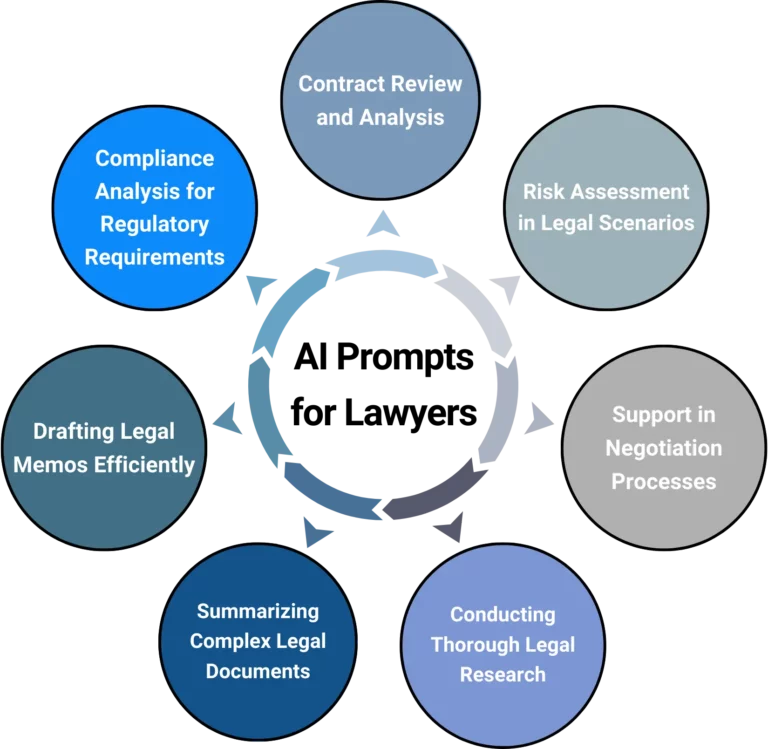
Can AI help with contract review and compliance?
Yes. AI can quickly identify risky clauses, missing provisions, and compliance issues. This speeds up reviews and improves accuracy.
This article explores how contracts form the cornerstone of trust and durable partnerships. It examines the integration of corporate responsibility within contracts and the role technology plays in enhancing contract management. Applying these principles enables companies to cultivate stronger relationships and make a positive impact globally.
About the Company

Volody AI CLM is an Agentic AI-powered Contract Lifecycle Management platform designed to eliminate manual contracting tasks, automate complex workflows, and deliver actionable insights. As a one-stop shop for all contract activities, it covers drafting, collaboration, negotiation, approvals, e-signature, compliance tracking, and renewals. Built with enterprise-grade security and no-code configuration, it meets the needs of the most complex global organizations. Volody AI CLM also includes AI-driven contract review and risk analysis, helping teams detect issues early and optimize terms. Trusted by Fortune 500 companies, high-growth startups, and government entities, it transforms contracts into strategic, data-driven business assets.




" height="216.72211px" id="FYO0bO80Y" transform="translate(3 6.105)" width="206.073px"/><path d="M 108.174 222 C 88.432 222 70.303 217.239 53.785 207.717 C 37.267 198.196 24.173 185.052 14.504 168.285 C 4.835 151.312 0 132.165 0 110.845 C 0 89.731 4.835 70.792 14.504 54.025 C 24.173 37.052 37.267 23.804 53.785 14.282 C 70.303 4.761 88.432 0 108.174 0 C 128.116 0 146.246 4.761 162.562 14.282 C 179.08 23.804 192.073 37.052 201.541 54.025 C 211.21 70.792 216.044 89.731 216.044 110.845 C 216.044 132.165 211.21 151.312 201.541 168.285 C 192.073 185.052 179.08 198.196 162.562 207.717 C 146.044 217.239 127.915 222 108.174 222 Z M 108.174 183.189 C 120.864 183.189 132.044 180.291 141.713 174.495 C 151.382 168.492 158.936 160.006 164.375 149.035 C 169.814 138.064 172.533 125.334 172.533 110.845 C 172.533 96.355 169.814 83.729 164.375 72.965 C 158.936 61.994 151.382 53.611 141.713 47.815 C 132.044 42.02 120.864 39.122 108.174 39.122 C 95.483 39.122 84.202 42.02 74.332 47.815 C 64.663 53.611 57.109 61.994 51.67 72.965 C 46.231 83.729 43.511 96.355 43.511 110.845 C 43.511 125.334 46.231 138.064 51.67 149.035 C 57.109 160.006 64.663 168.492 74.332 174.495 C 84.202 180.291 95.483 183.189 108.174 183.189 Z" fill="rgba(255, 255, 255, 0.12)" height="222px" id="aa1McFcE9" transform="translate(227.183 3)" width="216.04399999999998px"/><path d="M 42.302 182.257 L 111.799 182.257 L 111.799 216.722 L 0 216.722 L 0 0 L 42.302 0 Z" fill="rgba(255, 255, 255, 0.12)" height="216.72211px" id="yRq4AnrsX" transform="translate(477.721 6.105)" width="111.79899999999998px"/><path d="M 108.174 222 C 88.432 222 70.303 217.239 53.785 207.717 C 37.267 198.196 24.173 185.052 14.504 168.285 C 4.835 151.312 0 132.165 0 110.845 C 0 89.731 4.835 70.792 14.504 54.025 C 24.173 37.052 37.267 23.804 53.785 14.282 C 70.303 4.761 88.432 0 108.174 0 C 128.116 0 146.246 4.761 162.562 14.282 C 179.08 23.804 192.073 37.052 201.541 54.025 C 211.21 70.792 216.045 89.731 216.045 110.845 C 216.045 132.165 211.21 151.312 201.541 168.285 C 192.073 185.052 179.08 198.196 162.562 207.717 C 146.044 217.239 127.915 222 108.174 222 Z M 108.174 183.189 C 120.864 183.189 132.044 180.291 141.713 174.495 C 151.382 168.492 158.936 160.006 164.375 149.035 C 169.814 138.064 172.534 125.334 172.534 110.845 C 172.534 96.355 169.814 83.729 164.375 72.965 C 158.936 61.994 151.382 53.611 141.713 47.815 C 132.044 42.02 120.864 39.122 108.174 39.122 C 95.483 39.122 84.202 42.02 74.332 47.815 C 64.663 53.611 57.108 61.994 51.67 72.965 C 46.231 83.729 43.511 96.355 43.511 110.845 C 43.511 125.334 46.231 138.064 51.67 149.035 C 57.108 160.006 64.663 168.492 74.332 174.495 C 84.202 180.291 95.483 183.189 108.174 183.189 Z" fill="rgba(255, 255, 255, 0.12)" height="222px" id="mo8HQspQ0" transform="translate(609.155 3)" width="216.04500000000007px"/><path d="M 73.727 0 C 95.885 0 115.324 4.45 132.044 13.351 C 148.967 22.252 161.957 34.982 171.027 51.541 C 180.287 67.894 184.917 86.937 184.917 108.671 C 184.917 130.405 180.287 149.449 171.027 165.801 C 161.957 181.947 148.967 194.47 132.044 203.371 C 115.324 212.271 95.885 216.722 73.727 216.722 L 0 216.722 L 0 0 Z M 72.216 179.773 C 94.374 179.773 111.497 173.564 123.583 161.144 C 135.669 148.724 141.713 131.233 141.713 108.671 C 141.713 86.109 135.669 68.515 123.583 55.888 C 111.497 43.055 94.374 36.638 72.216 36.638 L 42.302 36.638 L 42.302 179.773 Z" fill="rgba(255, 255, 255, 0.12)" height="216.72211px" id="I3iXX5Hi_" transform="translate(859.693 6.105)" width="184.91699999999992px"/><path d="M 185.22 0 L 113.91 141.273 L 113.91 216.722 L 71.61 216.722 L 71.61 141.273 L 0 0 L 47.74 0 L 93.06 99.046 L 138.08 0 Z" fill="rgba(255, 255, 255, 0.12)" height="216.72211px" id="nzHyWC0_d" transform="translate(1061.78 6.105)" width="185.22000000000003px"/></svg>)