

Are you looking to expand your brand or monetise your creations? Licensing agreements are powerful legal contracts that can help you achieve your business goals. By allowing another party to use your intellectual property (IP), you can open up new revenue streams and enter new markets. Understanding how these agreements work is the first step toward leveraging your assets effectively and securely.
If you are searching for a free licensing agreement template, you can often find one through reputable legal websites, online business platforms, or official government resources that offer downloadable templates tailored to various needs.
Understanding Licensing Agreements

A licensing agreement is a formal, legally binding contract that defines a partnership based on intellectual property rights. It establishes the rules for one party to use another party's IP.
These legal contracts are essential for protecting the interests of both the IP owner and the user. They ensure that everyone understands their rights and responsibilities, preventing disputes and creating a framework for mutual benefit. If you are interested in sample licensing agreements, many legal resources online provide templates and examples you can review, which can offer guidance on standard clauses and terms typically included.
What is a Licensing Contract?
A licensing contract, or licence agreement, is a formal arrangement where an Intellectual Property owner (the licensor) gives another party (the licensee) permission to use their intellectual property. This IP can include anything from a brand name or patented technology to copyrighted material. In India, licensing agreements are particularly influenced by local laws such as the Indian Contract Act and the regulations concerning intellectual property, which may differ from contract and IP laws in other countries. For example, enforcement procedures, required registration, and certain approval processes can be more complex or vary from those in jurisdictions such as the US or EU.
This legal contract does not transfer ownership. Instead, it grants specific usage rights under clearly defined conditions.
The purpose of these licensing agreements is to protect the licensor’s intellectual property rights while allowing the licensee to benefit from the innovation or brand recognition associated with the IP.
Difference between Renting and Selling IP Rights
Think of a licensing agreement as renting an asset rather than selling it. When you rent a house, you get to live in it for a specific period under certain rules, but the property owner still owns it. If you are seeking a free licensing agreement template, you can often find one on reputable legal websites, government resources, or business advisory pages online.
Licensing your intellectual property works in a similar way. The licensor remains the ultimate property owner, granting temporary usage rights to the licensee.
In contrast, selling your IP rights is like selling a house, you transfer ownership permanently and lose all control over it. The payment terms in a license reflect this temporary "rental" arrangement.
How Does a Licensing Agreement Work?
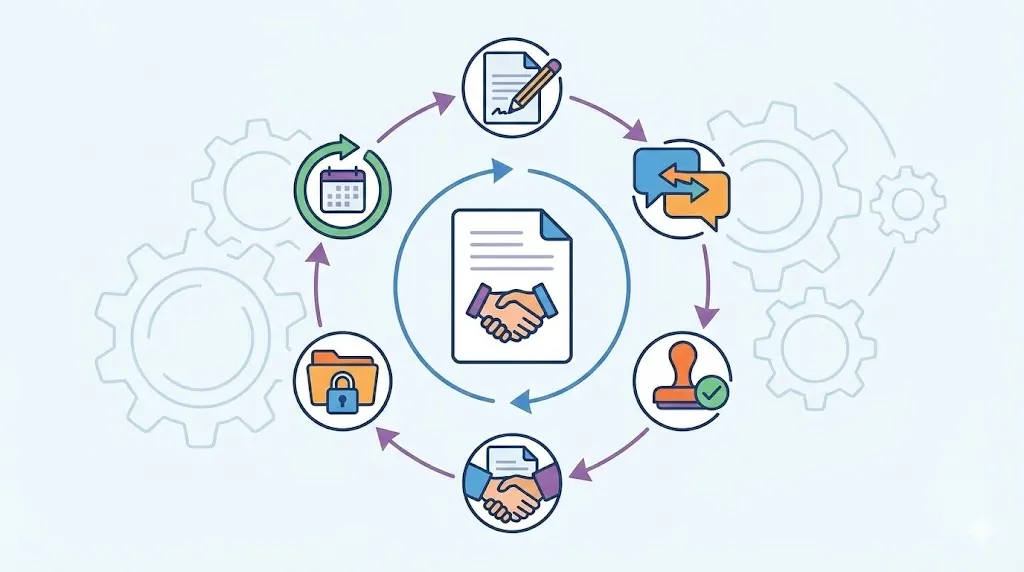
The process begins when a licensor drafts a grant of license, which outlines the terms of the agreement. The licensee then uses the IP strictly according to these terms. In return, the licensee provides compensation, often in the form of royalties. In modern licensing agreements, technology plays a crucial role by facilitating digital rights management, automating compliance monitoring, and enabling streamlined communication between the licensor and licensee. Online platforms and secure digital tracking help ensure that both parties can efficiently manage and enforce the terms of the agreement.
The agreement specifies the boundaries of the licensee’s use. These terms protect the licensor's IP from unauthorised use by the licensee or any third parties.
Key details defined in the agreement often include:
Exclusivity: Whether the license is an exclusive license or if others can also use the IP.
Scope: The specific ways the licensee can use the IP.
Duration: The time frame for which the license is valid.
Related Article: What is a Service Level Agreement (SLA)?
Types of Intellectual Property in Licensing Contracts

Licensing agreements can cover many different types of intellectual property. The specific kind of IP being licensed determines the structure and key terms of the contract. Each type of IP has unique characteristics and protections under the law.
Understanding the licensed property is crucial because the type of IP dictates how it can be used, protected, and monetised. Let’s explore the most common forms of IP in these agreements.
Patent Licensing Agreements
Patent licensing allows a licensee to make, use, or sell a protected invention. The patent holder grants these permissions in exchange for compensation, often based on a royalty rate.
This type of agreement is common in industries like pharmaceuticals and technology, where companies license patented formulas or engineering processes to others for large-scale production and distribution.
The agreement gives the patent holder a way to monetise their invention without manufacturing it themselves, while also defining the exclusive rights of the licensee and the grounds for legal action if terms are violated.
Trademark Licensing Agreements
Trademark licensing allows a licensee to use a licensor's brand name, logo, or slogan on a licensed product. A famous example is a sports team licensing its logo to a clothing company to produce merchandise.
This strategy helps expand brand recognition and reach new customers. For the licensee, it offers the advantage of using a well-known and trusted brand.
Crucially, these agreements almost always include strict quality control clauses. This ensures the licensee's products meet the licensor's standards, protecting the brand's reputation from damage due to poor quality.
Copyright Licensing Agreements
Copyright licensing agreements cover original creative works, such as books, music, software, and visual art. These contracts grant a licensee the right to reproduce, distribute, or perform the copyrighted material.
The scope of these usage rights can vary widely. For example, a streaming service might secure an exclusive license to distribute a film globally, while a marketing agency might get a non-exclusive license to use a photograph in an advertising campaign.
These agreements give creators control over how their creative works are used and ensure they are compensated for their efforts.
Software and Technology Licensing
Software and technology licensing deals with proprietary technology, including software applications, algorithms, and business processes. A common example is the End-User License Agreement (EULA) that you accept before installing software.
These agreements define how users can interact with the software but keep the underlying source code and other confidential information protected. The licensor retains full ownership and control over its core technology.
By licensing their technology, companies can generate revenue through subscriptions or fees while protecting their valuable intellectual property from unauthorised modification or distribution.
Main Clauses in a Licensing Agreement
The strength of a licensing agreement lies in its details. The main clauses of the contract define the relationship between the licensor and licensee, outlining the rules, responsibilities, and boundaries for everyone involved.
Clearly defining the terms of the agreement is essential to prevent misunderstandings and future disputes. These clauses cover everything from payment terms and exclusive rights to quality control and termination conditions.
Grant of Licence and Scope of Use
The grant of license is the heart of the agreement. This clause formally gives the licensee permission to use the intellectual property.
It also defines the scope of use, which specifies exactly how the IP can be used. This may include limitations on the field of use, such as restricting a technology to a particular industry or product type.
Clear usage rights prevent the licensee from using the IP in unauthorised ways or sub-licensing it to third parties without permission. Ambiguity in this clause is a common source of conflict.
Exclusivity, Territory, and Duration
This clause sets three critical boundaries. Exclusivity determines if the licensee is the only one with rights to the IP. An exclusive license is more valuable than a non-exclusive one, where the licensor can grant rights to others.
Territory specifies the geographic limitations of the license. Can the licensee sell the product in one country, across Europe, or globally? This must be clearly stated.
Finally, duration defines how long the agreement lasts. It could be for a fixed number of years or have conditions for renewal.
Financial Terms and Royalty Structure
Financial terms outline how the licensor gets paid. This is one of the most important aspects of creating new revenue streams. The structure can vary, including one-time fees, ongoing royalty payments, or a combination.
The agreement must specify the royalty rate, payment schedules, and any audit rights the licensor has to verify sales figures. Clear payment terms are essential to avoid financial disputes.
Different royalty structures can be used depending on the business model.
Royalty Type | Description |
|---|---|
Percentage of Sales | Licensee pays a percentage of net or gross revenue. |
Per-Unit Royalty | A fixed fee is paid for each unit sold. |
Upfront Fee | A one-time payment made at the start of the agreement. |
Minimum Guarantee | Licensee agrees to pay a minimum amount, regardless of sales. |
Termination and Renewal Clauses
Termination clauses provide an exit strategy. This section outlines the conditions under which the entire agreement can be ended. Early termination is often triggered by a breach of contract, such as failure to pay royalties or violating usage terms.
Renewal clauses define what happens when the initial term expires. Does the agreement renew automatically, or do the parties need to negotiate a new one?
It is vital to get legal advice on these clauses to ensure they are fair and protect your interests, especially in cases of bankruptcy or other unforeseen events.
Pros and Cons of Licensing Agreements

Licensing agreements can be a game-changer for your business model, offering a path to revenue generation and market growth. However, they are not without their challenges. It is important to weigh the potential rewards against the inherent control risks.
Understanding both sides helps you determine if licensing is the right strategy for your business. For it to be a mutual benefit, both parties must see more advantages than disadvantages.
Revenue Generation and Market Expansion
For licensors, the most significant advantage is creating new revenue streams without major investment. You can monetise your IP while another company handles production and distribution.
This model also enables rapid market expansion. By partnering with an established company in a different region, you can enter new markets and overcome entry barriers with minimal financial risk.
Key benefits include:
Steady Income: Royalty payments provide consistent revenue.
Faster Market Entry: Leverage a partner's existing infrastructure to launch quickly.
Brand Amplification: Strategic partnerships can significantly boost your brand's visibility.
Control Risks and IP Protection
The biggest drawback for licensors is the loss of control. A licensee's poor-quality products or unethical practices can damage your brand's reputation. You also risk the licensee misusing your confidential information or becoming a future competitor.
For licensees, dependency on the licensor is a major risk. If the agreement is terminated early, it can severely disrupt your business operations. Ongoing royalty payments can also impact profit margins.
Potential risks to consider:
Brand Dilution: Poor implementation by a licensee harms your brand.
IP Theft: An unreliable partner might misuse or steal your IP rights.
Dependency: Licensees become vulnerable if the contract is not renewed.
Drafting a Licensing Contract: Best Practices

Drafting a solid licensing agreement is the critical first step toward a successful partnership. Your approach should be guided by your business goals and a clear understanding of the risks involved. Rushing this process can lead to costly disputes later.
Using effective contract management practices and seeking legal advice from the start will help you create a document that is clear, enforceable, and aligned with your objectives.
Clear Definitions, Quality Control, and Legal Review
Precision is key when drafting a licensing agreement. Vague language is a recipe for conflict, so ensure all terms are clearly defined.
A thorough legal review is non-negotiable. An experienced lawyer can identify potential risks, protect your confidential business information, and ensure the contract is legally sound. They will also help you draft strong quality control provisions to protect your brand.
Follow these best practices:
Define Everything: Clearly specify the IP, scope of use, territory, and all other key terms.
Involve Legal Experts: Always seek legal advice from a professional experienced in IP law.
Establish Quality Standards: Include clauses that allow you to approve products and maintain brand integrity.
Conclusion
In conclusion, a licensing agreement serves as a vital tool for businesses looking to leverage their intellectual property while managing associated risks. By understanding the nuances between renting and selling IP rights, companies can navigate the complexities of patent, trademark, copyright, and software licensing effectively. Essential clauses within these agreements form the backbone of the relationship between licensor and licensee, ensuring clarity on aspects like exclusivity, financial terms, and termination. While the potential for revenue generation and market expansion is enticing, it’s crucial to remain vigilant about control risks and IP protection. Adhering to best practices during the drafting process will safeguard your interests and lay the groundwork for a successful partnership. If you're keen to explore how licensing agreements can benefit your business, consider reaching out for a tailored consultation.
Frequently Asked Questions
What are the key components of a licensing agreement?
Key components of licensing agreements include the grant of license, definition of the intellectual property, scope of use, duration, territory, payment terms (royalties), and clauses on exclusivity or exclusive rights. Termination and dispute resolution terms are also essential.
What are the different types of licensing agreements commonly used in business?
The different types of licensing agreements are typically based on the IP involved. The most common are patent licensing for inventions, trademark licensing for brands, copyright licensing for creative works, and software or technology licensing for proprietary systems and applications.
What risks should I be aware of when entering into a licensing agreement?
Key control risks include loss of control over your brand's reputation, potential misuse of confidential information, and brand dilution from poor quality. For licensees, risks include dependency on the licensor and the impact of ongoing royalty payments on profitability.
About the Company

Volody AI CLM is an Agentic AI-powered Contract Lifecycle Management platform designed to eliminate manual contracting tasks, automate complex workflows, and deliver actionable insights. As a one-stop shop for all contract activities, it covers drafting, collaboration, negotiation, approvals, e-signature, compliance tracking, and renewals. Built with enterprise-grade security and no-code configuration, it meets the needs of the most complex global organizations. Volody AI CLM also includes AI-driven contract review and risk analysis, helping teams detect issues early and optimize terms. Trusted by Fortune 500 companies, high-growth startups, and government entities, it transforms contracts into strategic, data-driven business assets.




" height="216.72211px" id="FYO0bO80Y" transform="translate(3 6.105)" width="206.073px"/><path d="M 108.174 222 C 88.432 222 70.303 217.239 53.785 207.717 C 37.267 198.196 24.173 185.052 14.504 168.285 C 4.835 151.312 0 132.165 0 110.845 C 0 89.731 4.835 70.792 14.504 54.025 C 24.173 37.052 37.267 23.804 53.785 14.282 C 70.303 4.761 88.432 0 108.174 0 C 128.116 0 146.246 4.761 162.562 14.282 C 179.08 23.804 192.073 37.052 201.541 54.025 C 211.21 70.792 216.044 89.731 216.044 110.845 C 216.044 132.165 211.21 151.312 201.541 168.285 C 192.073 185.052 179.08 198.196 162.562 207.717 C 146.044 217.239 127.915 222 108.174 222 Z M 108.174 183.189 C 120.864 183.189 132.044 180.291 141.713 174.495 C 151.382 168.492 158.936 160.006 164.375 149.035 C 169.814 138.064 172.533 125.334 172.533 110.845 C 172.533 96.355 169.814 83.729 164.375 72.965 C 158.936 61.994 151.382 53.611 141.713 47.815 C 132.044 42.02 120.864 39.122 108.174 39.122 C 95.483 39.122 84.202 42.02 74.332 47.815 C 64.663 53.611 57.109 61.994 51.67 72.965 C 46.231 83.729 43.511 96.355 43.511 110.845 C 43.511 125.334 46.231 138.064 51.67 149.035 C 57.109 160.006 64.663 168.492 74.332 174.495 C 84.202 180.291 95.483 183.189 108.174 183.189 Z" fill="rgba(255, 255, 255, 0.12)" height="222px" id="aa1McFcE9" transform="translate(227.183 3)" width="216.04399999999998px"/><path d="M 42.302 182.257 L 111.799 182.257 L 111.799 216.722 L 0 216.722 L 0 0 L 42.302 0 Z" fill="rgba(255, 255, 255, 0.12)" height="216.72211px" id="yRq4AnrsX" transform="translate(477.721 6.105)" width="111.79899999999998px"/><path d="M 108.174 222 C 88.432 222 70.303 217.239 53.785 207.717 C 37.267 198.196 24.173 185.052 14.504 168.285 C 4.835 151.312 0 132.165 0 110.845 C 0 89.731 4.835 70.792 14.504 54.025 C 24.173 37.052 37.267 23.804 53.785 14.282 C 70.303 4.761 88.432 0 108.174 0 C 128.116 0 146.246 4.761 162.562 14.282 C 179.08 23.804 192.073 37.052 201.541 54.025 C 211.21 70.792 216.045 89.731 216.045 110.845 C 216.045 132.165 211.21 151.312 201.541 168.285 C 192.073 185.052 179.08 198.196 162.562 207.717 C 146.044 217.239 127.915 222 108.174 222 Z M 108.174 183.189 C 120.864 183.189 132.044 180.291 141.713 174.495 C 151.382 168.492 158.936 160.006 164.375 149.035 C 169.814 138.064 172.534 125.334 172.534 110.845 C 172.534 96.355 169.814 83.729 164.375 72.965 C 158.936 61.994 151.382 53.611 141.713 47.815 C 132.044 42.02 120.864 39.122 108.174 39.122 C 95.483 39.122 84.202 42.02 74.332 47.815 C 64.663 53.611 57.108 61.994 51.67 72.965 C 46.231 83.729 43.511 96.355 43.511 110.845 C 43.511 125.334 46.231 138.064 51.67 149.035 C 57.108 160.006 64.663 168.492 74.332 174.495 C 84.202 180.291 95.483 183.189 108.174 183.189 Z" fill="rgba(255, 255, 255, 0.12)" height="222px" id="mo8HQspQ0" transform="translate(609.155 3)" width="216.04500000000007px"/><path d="M 73.727 0 C 95.885 0 115.324 4.45 132.044 13.351 C 148.967 22.252 161.957 34.982 171.027 51.541 C 180.287 67.894 184.917 86.937 184.917 108.671 C 184.917 130.405 180.287 149.449 171.027 165.801 C 161.957 181.947 148.967 194.47 132.044 203.371 C 115.324 212.271 95.885 216.722 73.727 216.722 L 0 216.722 L 0 0 Z M 72.216 179.773 C 94.374 179.773 111.497 173.564 123.583 161.144 C 135.669 148.724 141.713 131.233 141.713 108.671 C 141.713 86.109 135.669 68.515 123.583 55.888 C 111.497 43.055 94.374 36.638 72.216 36.638 L 42.302 36.638 L 42.302 179.773 Z" fill="rgba(255, 255, 255, 0.12)" height="216.72211px" id="I3iXX5Hi_" transform="translate(859.693 6.105)" width="184.91699999999992px"/><path d="M 185.22 0 L 113.91 141.273 L 113.91 216.722 L 71.61 216.722 L 71.61 141.273 L 0 0 L 47.74 0 L 93.06 99.046 L 138.08 0 Z" fill="rgba(255, 255, 255, 0.12)" height="216.72211px" id="nzHyWC0_d" transform="translate(1061.78 6.105)" width="185.22000000000003px"/></svg>)