
Signing a contract typically creates a binding obligation, but it does not eliminate every lawful path to exit. The available options depend on the agreement’s terms, governing law, timing, and the circumstances surrounding execution. A procurement leader who identifies a pricing error before performance begins should assess those factors promptly and document each step before taking action.
TL;DR
A signature usually creates a binding promise, but it does not remove every lawful exit.
Additionally, before taking action, review the provisions governing termination, cancellation, renewal, notice, and disputes.
Enforceability may also be affected by misrepresentation or fraud, a serious mistake, or a lack of authority.
Cancellation rights available to consumers may not extend to business contracts.
Raise the issue with the other party early; document each step, and do not stop performance unilaterally.
Contract management software helps teams track versions, approvals, signatures, and obligations.
What happens after you sign a contract?
A contract generally takes effect once the parties have agreed to its terms and manifested that agreement. A signature often serves as strong evidence of that intent. It may also confirm that each signer accepted the document in its final form.
The exact point of formation can vary. Some contracts require every party to sign before they take effect. Others become binding after one party accepts an offer, even without a formal signature.
The contract itself often answers this question. Look for terms such as:
“Effective date”
“Execution date”
“Commencement date”
“Binding agreement”
“Counterparts”
“Subject to approval”
These clauses can produce different results. For example, a supplier contract may take effect upon the final party’s signature. A merger agreement, by contrast, may not impose obligations until the board has approved it.
Even a signed contract does not render every clause enforceable. A court may nevertheless decline to enforce terms that contravene law or public policy. That inquiry can extend to the parties’ legal capacity and authority.
In practice, business leaders need to address three separate issues:
Was a contract formed by the parties?
Under what circumstances may a party lawfully end the contract?
What are the consequences if a party stops performing?
Those issues do not necessarily yield the same answer. A contract might exist, but a termination clause may allow one party to end it. Another contract may contain no termination right yet still permit cancellation following serious misconduct.
The governing law matters too. The agreement may designate the law of a particular state or country. That designation can shape cancellation rights, notice rules, remedies, and limitation periods.
The contract may also include an entire agreement clause. Such a clause provides that the written document constitutes the parties’ complete agreement. Earlier emails and verbal statements may therefore carry less weight in a dispute.
That does not mean earlier communications never matter. Messages may help show fraud, misrepresentation, mistake, or the parties’ intent. Keep them with the final contract and signature records.
The Legal Information Institute’s contract overview explains the basic elements of a contract. The elements generally consist of mutual assent, consideration, capacity, and legality. How those elements apply, however, may turn on local law.
Signing a contract, therefore, is a serious commitment. It does not always prevent change, but you need a legal or contractual basis for that change.
Related articles: 7 Key Contract Clauses Found in Business Contracts
Can you cancel a signed contract legally?
A signed contract may be terminated by agreement, under an express contractual right, or through a legal remedy. You cannot usually cancel it because you regret the decision. Personal disappointment rarely creates a right to walk away.
The first option is termination by mutual agreement. The parties may agree to terminate the agreement rather than rely on a unilateral right to do so. Alternatively, they can replace the existing agreement with amended terms.
A written termination or amendment should identify:
The agreement being terminated
The parties covered
The agreed end date
Outstanding payments or duties
The treatment of confidential information
Any continuing clauses
Releases from future claims
Do not rely on a casual email that says, “We are done.” That message may create confusion about the effective date and remaining duties.
The contract itself may provide the second route. Termination-for-convenience provisions appear in many commercial agreements. It permits one party to end the relationship without establishing fault.
The clause may require advance notice. It may also require a fee, minimum purchase, or payment for work already completed. Follow each condition closely.
Other common exit rights include:
Termination for material breach
Termination following a cure period
Following insolvency
Termination for prolonged force majeure
Following a change of control
Termination for missed payment
Termination before an [automatic renewal
A](https://www.volody.com/resource/what-is-automatic-contract-renewal-clause) termination clause does not always erase past obligations. Invoices issued before termination may remain payable. Obligations concerning confidentiality, audits, data return, and disputes may survive.
The third route lies in seeking relief from a court. Rescission may be available to cancel the contract and aims to return the parties to their earlier positions. Whether rescission is available often turns on facts such as fraud, material misrepresentation, or a serious shared mistake.
The Legal Information Institute explains rescission as a remedy for cancelling a contract. Its availability turns on the governing law and the evidence.
A party may also contend that the other side has committed a breach that is material. Such a breach seriously defeats the contract’s main purpose. The innocent party may then have rights to terminate and seek damages.
Do not assume every breach qualifies. A late report may not justify ending a five year services agreement. A failure to deliver the core service might.
Whether the nonbreaching party gave notice and an opportunity to cure may also be considered by a court. Contracts often specify the applicable cure period. If that procedure is not followed, an otherwise valid termination may be challenged.
Whether a general cooling off period applies is another issue. No universal business rule gives companies a fixed number of days to cancel signed contracts.
Consumer rules may provide special protection. In the United States, the Federal Trade Commission’s Cooling Off Rule covers certain sales made at a buyer’s home or temporary location. It does not cover every purchase or commercial contract.
The United Kingdom also gives consumers specific cancellation rights for many distance and off premises contracts. The Consumer Contracts Regulations contain those rules. They do not create a broad cancellation right for every business agreement.
Check the buyer’s status before relying on consumer protections. A person buying for personal use may receive rights that a company does not. The contract type and sales setting also matter.
Related articles: Force Majeure Clause: How Does It Work in Contracts?
Which legal reasons can make a contract void or voidable?
Certain defects can affect an agreement once it has been signed. Additionally, the consequences are not uniform. Some make a contract void from the start, while others make it voidable by one party.
A void contract has no legal effect. A voidable contract usually remains effective until the protected party chooses to cancel it. That choice may require prompt action and clear notice.
Fraud and misrepresentation
Fraud arises where someone knowingly provides false information to persuade a counterparty to sign. The seller might, for instance, represent that a product meets a required certification standard. Internal records may later reveal that the seller knew otherwise.
Misrepresentation can also occur without deliberate dishonesty. Someone may make a careless statement without checking its accuracy. Moreover, the statement must usually matter to the decision to contract.
Gather evidence before making this argument. Useful records may include:
Sales presentations
Product specifications
Emails and chat messages
Due diligence responses
Financial forecasts
Compliance certificates
Meeting notes
Earlier contract drafts
A mistake about a minor detail rarely justifies cancellation. Usually, it matters only where it affects the agreement in a meaningful way.
Shared and one sided mistakes
A mistake is shared if both parties rely on the same false fact. Both parties, for example, may believe that a required license exists. The license, however, may have expired before signing.
A one sided mistake generally receives less protection from courts. Furthermore, it can still matter if the counterparty knew about the mistake and took unfair advantage. The contract wording and negotiation history will matter.
Do not confuse a bad estimate with a legal mistake. A forecast that turns out to be wrong may simply reflect normal commercial risk. By contrast, a concealed fact about the subject matter may create a stronger argument.
Lack of authority
Employees often sign documents for their employers. The employee needs actual authority; otherwise, the company must have created apparent authority.
Sources of actual authority include company policy, a job role, a board resolution, or direct instruction. Nevertheless, the company’s conduct may cause the signer to appear authorized, thereby creating apparent authority.
A sales manager may have signed routine order forms for years. Also, in that situation, the company may later find it difficult to deny that authority. That may not hold for a large acquisition agreement, which could require a different approval process.
Within the business, define clear signing limits. Link those limits to contract value, risk, business unit, and legal entity. Store approval records with the final agreement.
Duress and undue influence
Improper pressure from another person can provide grounds to challenge the contract. Economic pressure alone does not always prove duress. The pressure generally must leave the victim with no reasonable choice.
Therefore, undue influence involves exploiting a position of trust. The issue is relevant in personal relationships, vulnerable customer situations, or dependent business arrangements.
These claims require careful evidence. As a result, keep records of threats, deadlines, alternatives, and the parties’ relative positions. Do not accuse the counterparty without legal review.
Impossibility and frustration
An event occurring without warning may render performance impossible or transform its nature. In most cases, the affected party must have had no control over what occurred.
The contract’s central purpose can be destroyed by such an event. For instance, a government order could permanently prevent delivery of a regulated service. By contrast, a supply delay may not qualify where substitute suppliers remain available.
The contract may contain a force majeure clause. This clause lists events that can excuse performance or delay. Read its notice rules carefully.
Force majeure rarely operates automatically. The other side may need to receive notice within a set number of days. It may also need to explain the effect of the event and reduce the harm.
Courts apply these doctrines narrowly. A rise in costs, staff turnover, or lower demand rarely erases a commercial bargain. Businesses should seek advice before treating performance as excused.
Related reading: How to Amend a Contract After Signing
What should you do after changing your mind?
Act quickly, but do not act impulsively. Additionally, a fast, careless response can instead create a breach or weaken your position.
Start by preserving the complete record. Save the signed contract, exhibits, schedules, emails, approval messages, and signature certificate. Include every version that led to the final document.
Then confirm who signed and when. Check whether all required parties signed. Review whether a parent company, guarantor, board, or regulator also needed to approve the agreement.
Next, review the exit terms. Search for words such as “terminate,” “cancel,” “withdraw,” “rescind,” “notice,” “cure,” “renewal,” and “survival.”
Use this process:
Identify the legal entities and signers.
Confirm when the agreement took effect.
Examine the requirements attached to each termination and notice provision.
Determine whether consumer protections or sector-specific safeguards apply.
Document any indication of mistake or misrepresentation.
Have counsel assess both the facts and the associated risks.
Draft a carefully controlled message to send to the other side.
Use the notice method the agreement specifies.
Continue performing unless counsel advises otherwise.
Enter the outcome in the contract system once the matter is resolved.
Notice clauses can conceal significant pitfalls. They may require delivery by courier, registered mail, or a named email address. A notice sent to the wrong place may not work.
Notice timing can also matter. Termination might require 30 days' notice. It may define business days differently from calendar days.
Do not edit a signed PDF and resend it as though nothing changed. That approach can create version disputes and trust problems. Use a formal amendment or replacement agreement.
Consider a negotiated exit. A counterparty may accept a payment, transition period, or partial performance. A clean settlement can cost less than litigation and protect the relationship.
Use neutral language during early discussions. Tell the business that it is reviewing the agreement and wants to discuss options. Until counsel has reviewed the facts, avoid admissions such as “We breached.”
Where fraud is suspected, preserve evidence before confronting the counterparty. Internal messages can disappear during routine deletion. Also, ask IT or records teams to apply a legal hold when appropriate.
Assess operational impact as well. The agreement may support payroll, customer service, software access, or regulatory compliance. Ending it without a replacement plan can create bigger losses.
Create a short decision record for leadership. Include the contract value, likely exit route, notice deadline, risks, costs, and recommended action. This helps executives decide without reading every email.
Use outside counsel for high value or high risk agreements. Seek help when the contract covers intellectual property, personal data, employment, regulated services, or major customer commitments.
Related articles: What is a Termination Clause in Contracts? A Short Guide
How can businesses prevent accidental commitments?
Prevention starts before signature. Additionally, the process should also show who requested the contract, who reviewed it, and who approved the risk.
Many contract disputes begin with version confusion. A business user may approve one draft while the counterparty signs another. File names alone cannot provide reliable control.
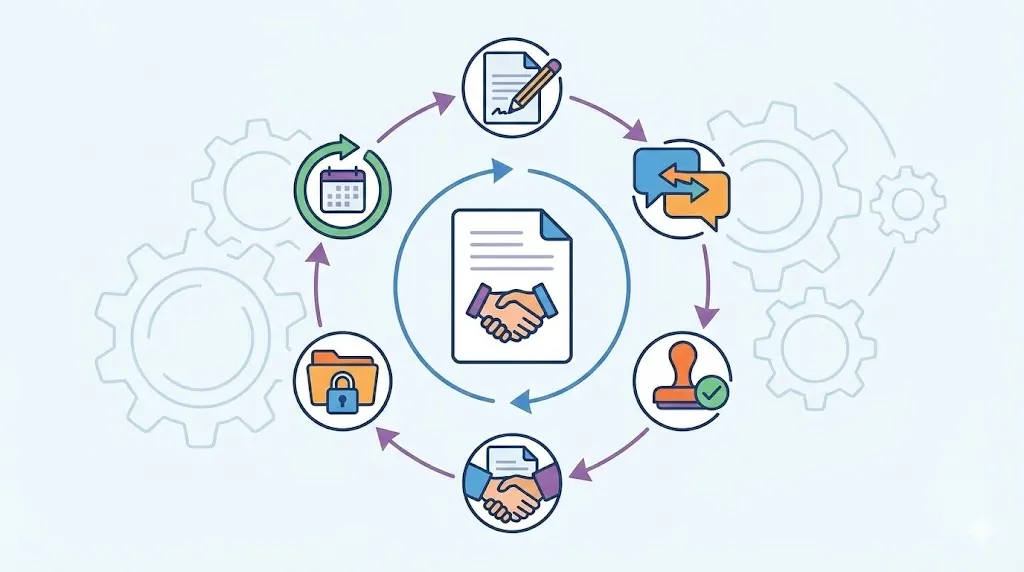
Use a controlled workflow with clear stages:
Request
Draft
Legal review
Business approval
Final review
Signature
Storage
Obligation tracking
Set rules for each stage. Approved templates, for instance, should be the only documents permitted to enter the drafting stage. High risk clauses may call for review by senior legal counsel.
A clause library can help prevent errors as well. Store approved positions for liability, data security, indemnity, governing law, and termination. Include fallback language for common negotiation points.
Approval workflows should match risk. A small software subscription may need manager approval. A global outsourcing agreement may need legal, security, finance, and executive approval.
Electronic signatures help establish an audit trail. Moreover, a complete record should identify the document presented, the signer, the time, and the completion status. It can also show whether someone rejected or withdrew the signing request.
The UNCITRAL Model Law on Electronic Commerce supports the legal recognition of electronic records in many legal frameworks. Local law still controls each transaction.
Train business users on a simple rule: never sign from an unverified email or outdated attachment. They should open the document from the approved workflow and confirm the final version.
Set reminders for pending signatures. A long delay may allow prices, policies, or business needs to change. Teams should know which documents remain unsigned and who controls the next step.
Post signature controls matter too. Store the final agreement in one searchable repository. The repository should track notice dates, renewal windows, payment duties, insurance requirements, and service levels.
Keep the signature certificate with the executed contract in the repository. The same repository should retain earlier versions and the approval history. Furthermore, that record may prove what each party saw and accepted if a dispute arises later.
Run periodic reviews of high value agreements. Ask whether the business still needs each contract and whether upcoming renewals need action. Automatic renewal can create a new commitment without a fresh signature.
Assign ownership for every material obligation. A contract manager may monitor deadlines, but business owners should confirm performance. Legal teams should not carry every operational task alone.
A practical policy can require business teams to answer three questions before signature:
What are we agreeing to?
Which conditions could bring the relationship to an end?
Who will track the duties after signing?
When the team cannot answer those questions, put the signature on hold. A short delay before signing costs less than a disputed exit later.
Related articles: What is an Automatic Contract Renewal Clause? Detailed Guide
How can contract management software help?
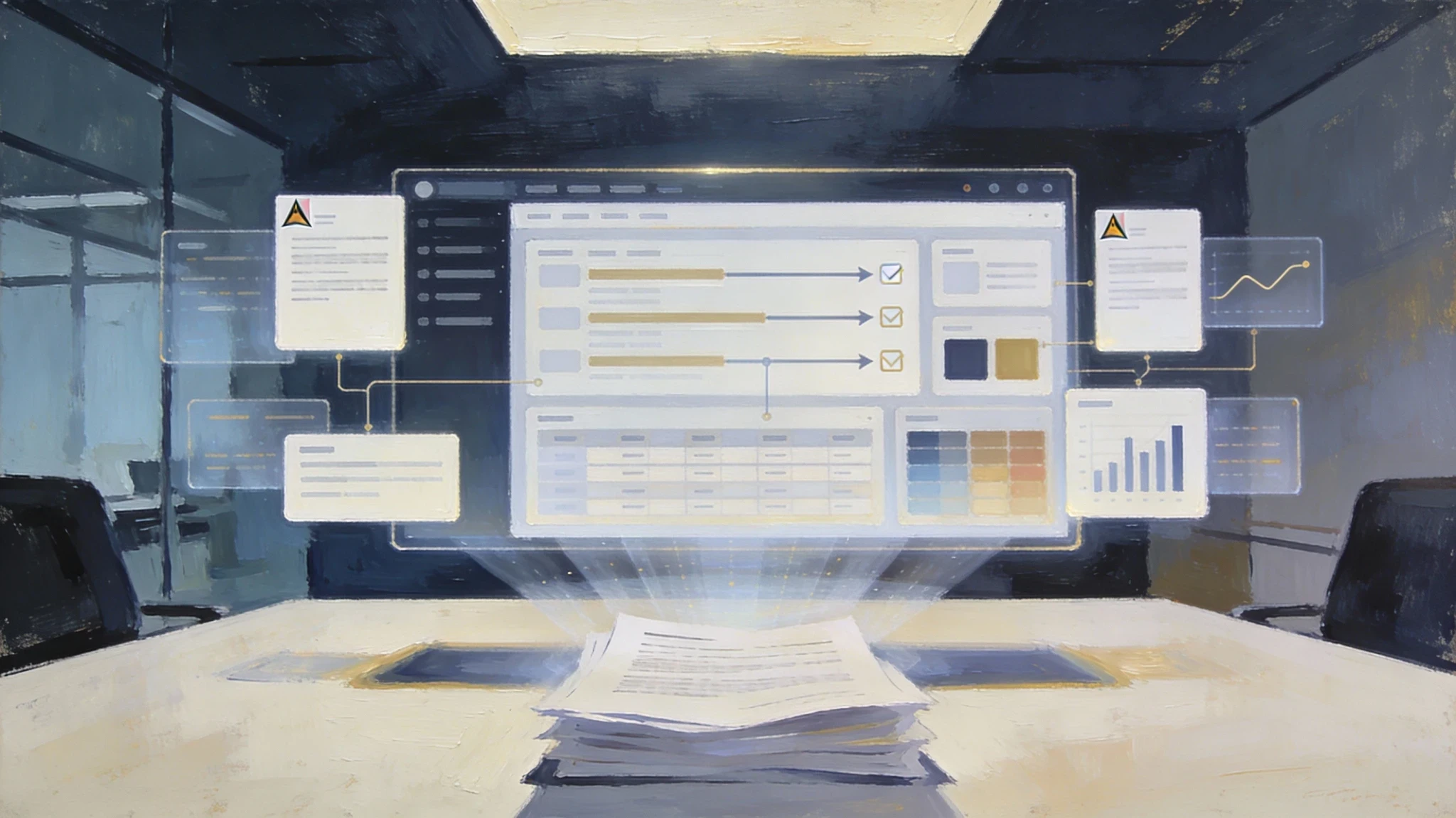
Contract management software gives teams one place to draft, review, approve, sign, and store agreements. It can track versions, show audit history, route approvals, and alert owners about renewal or termination dates.
Volody adds AI drafting, contract review, clause suggestions, summaries, metadata extraction, and risk analysis. Its repository, version control, obligation tracking, and searchable records help teams confirm what they signed and what they can do next.
Looking for a better way to manage contracts? Discover Volody's CLM Software.
FAQ
Can I withdraw from an agreement simply because I changed my mind?
Additionally, regret alone, however, generally does not undo an agreement once it has been signed. You need a contract right, mutual agreement, or legal basis such as fraud or misrepresentation.
Does every signed contract become binding immediately?
Not always. The agreement may require the last signature, a condition, approval, or a stated effective date before duties begin.
Can the parties mutually bring a signed contract to an end?
They may execute a termination agreement, amendment, settlement, or replacement contract. The document should specify when termination takes effect and which obligations remain.
Do businesses have a right to cool off?
Most commercial agreements provide no general right to withdraw after signing. Some consumer rules provide cancellation rights, but those rules depend on location and transaction type.
What if someone signed without authority?
The contract may face challenge if the signer lacked actual or apparent authority. Moreover, the company’s conduct may still bind it if others reasonably relied on the signer’s role.
Can fraud invalidate a contract that has been signed?
Fraud may support rescission or damages. You usually need evidence that a false statement influenced the decision to sign.
Can I stop performing while I seek legal advice?
Stopping performance may create a breach. If possible, continue performing unless the contract or legal advice permits suspension or termination.
What steps should I take after discovering an error?
Keep every version, and notify the appropriate internal stakeholders. Before acting, assess whether correction, amendment, termination, or mistake doctrines provide an option.
Can software terminate an agreement after it has been executed?
Use contract management software to preserve the execution record, manage approvals, monitor obligations, and identify termination deadlines. For any proposed exit, have qualified counsel assess the agreement and governing law before action.
About the Company

Volody AI CLM is an Agentic AI-powered Contract Lifecycle Management platform designed to eliminate manual contracting tasks, automate complex workflows, and deliver actionable insights. As a one-stop shop for all contract activities, it covers drafting, collaboration, negotiation, approvals, e-signature, compliance tracking, and renewals. Built with enterprise-grade security and no-code configuration, it meets the needs of the most complex global organizations. Volody AI CLM also includes AI-driven contract review and risk analysis, helping teams detect issues early and optimize terms. Trusted by Fortune 500 companies, high-growth startups, and government entities, it transforms contracts into strategic, data-driven business assets.




" height="216.72211px" id="FYO0bO80Y" transform="translate(3 6.105)" width="206.073px"/><path d="M 108.174 222 C 88.432 222 70.303 217.239 53.785 207.717 C 37.267 198.196 24.173 185.052 14.504 168.285 C 4.835 151.312 0 132.165 0 110.845 C 0 89.731 4.835 70.792 14.504 54.025 C 24.173 37.052 37.267 23.804 53.785 14.282 C 70.303 4.761 88.432 0 108.174 0 C 128.116 0 146.246 4.761 162.562 14.282 C 179.08 23.804 192.073 37.052 201.541 54.025 C 211.21 70.792 216.044 89.731 216.044 110.845 C 216.044 132.165 211.21 151.312 201.541 168.285 C 192.073 185.052 179.08 198.196 162.562 207.717 C 146.044 217.239 127.915 222 108.174 222 Z M 108.174 183.189 C 120.864 183.189 132.044 180.291 141.713 174.495 C 151.382 168.492 158.936 160.006 164.375 149.035 C 169.814 138.064 172.533 125.334 172.533 110.845 C 172.533 96.355 169.814 83.729 164.375 72.965 C 158.936 61.994 151.382 53.611 141.713 47.815 C 132.044 42.02 120.864 39.122 108.174 39.122 C 95.483 39.122 84.202 42.02 74.332 47.815 C 64.663 53.611 57.109 61.994 51.67 72.965 C 46.231 83.729 43.511 96.355 43.511 110.845 C 43.511 125.334 46.231 138.064 51.67 149.035 C 57.109 160.006 64.663 168.492 74.332 174.495 C 84.202 180.291 95.483 183.189 108.174 183.189 Z" fill="rgba(255, 255, 255, 0.12)" height="222px" id="aa1McFcE9" transform="translate(227.183 3)" width="216.04399999999998px"/><path d="M 42.302 182.257 L 111.799 182.257 L 111.799 216.722 L 0 216.722 L 0 0 L 42.302 0 Z" fill="rgba(255, 255, 255, 0.12)" height="216.72211px" id="yRq4AnrsX" transform="translate(477.721 6.105)" width="111.79899999999998px"/><path d="M 108.174 222 C 88.432 222 70.303 217.239 53.785 207.717 C 37.267 198.196 24.173 185.052 14.504 168.285 C 4.835 151.312 0 132.165 0 110.845 C 0 89.731 4.835 70.792 14.504 54.025 C 24.173 37.052 37.267 23.804 53.785 14.282 C 70.303 4.761 88.432 0 108.174 0 C 128.116 0 146.246 4.761 162.562 14.282 C 179.08 23.804 192.073 37.052 201.541 54.025 C 211.21 70.792 216.045 89.731 216.045 110.845 C 216.045 132.165 211.21 151.312 201.541 168.285 C 192.073 185.052 179.08 198.196 162.562 207.717 C 146.044 217.239 127.915 222 108.174 222 Z M 108.174 183.189 C 120.864 183.189 132.044 180.291 141.713 174.495 C 151.382 168.492 158.936 160.006 164.375 149.035 C 169.814 138.064 172.534 125.334 172.534 110.845 C 172.534 96.355 169.814 83.729 164.375 72.965 C 158.936 61.994 151.382 53.611 141.713 47.815 C 132.044 42.02 120.864 39.122 108.174 39.122 C 95.483 39.122 84.202 42.02 74.332 47.815 C 64.663 53.611 57.108 61.994 51.67 72.965 C 46.231 83.729 43.511 96.355 43.511 110.845 C 43.511 125.334 46.231 138.064 51.67 149.035 C 57.108 160.006 64.663 168.492 74.332 174.495 C 84.202 180.291 95.483 183.189 108.174 183.189 Z" fill="rgba(255, 255, 255, 0.12)" height="222px" id="mo8HQspQ0" transform="translate(609.155 3)" width="216.04500000000007px"/><path d="M 73.727 0 C 95.885 0 115.324 4.45 132.044 13.351 C 148.967 22.252 161.957 34.982 171.027 51.541 C 180.287 67.894 184.917 86.937 184.917 108.671 C 184.917 130.405 180.287 149.449 171.027 165.801 C 161.957 181.947 148.967 194.47 132.044 203.371 C 115.324 212.271 95.885 216.722 73.727 216.722 L 0 216.722 L 0 0 Z M 72.216 179.773 C 94.374 179.773 111.497 173.564 123.583 161.144 C 135.669 148.724 141.713 131.233 141.713 108.671 C 141.713 86.109 135.669 68.515 123.583 55.888 C 111.497 43.055 94.374 36.638 72.216 36.638 L 42.302 36.638 L 42.302 179.773 Z" fill="rgba(255, 255, 255, 0.12)" height="216.72211px" id="I3iXX5Hi_" transform="translate(859.693 6.105)" width="184.91699999999992px"/><path d="M 185.22 0 L 113.91 141.273 L 113.91 216.722 L 71.61 216.722 L 71.61 141.273 L 0 0 L 47.74 0 L 93.06 99.046 L 138.08 0 Z" fill="rgba(255, 255, 255, 0.12)" height="216.72211px" id="nzHyWC0_d" transform="translate(1061.78 6.105)" width="185.22000000000003px"/></svg>)