

Contracts are foundational to business operations, yet their complexity and volume often hinder timely analysis and decision-making. By deploying advanced AI technologies, organizations can systematically extract and structure contract data, transforming dense legal text into actionable intelligence. This capability empowers teams to accelerate contract review, enhance risk management, and drive more informed strategic outcomes with confidence.
TL;DR
By converting complex contractual language into structured datasets, AI tools facilitate analytical processes that are both more nuanced and efficient.
Additionally, the use of natural language processing enables automated extraction and parsing of essential contractual terms and obligations.
Key challenges include preserving data integrity, handling a variety of contract formats, and maintaining rigorous compliance with regulatory frameworks.
Tracking contract obligations enhances both risk mitigation strategies and operational workflows.
The integration of AI into contract lifecycle management optimizes processes ranging from initial drafting to final renewal.
Analytical software applied to contracts provides strategic insights that inform high-level decision-making.
How AI Extracts and Structures Contract Data
Understanding Natural Language Processing Contracts
Natural language processing contracts refer to applying AI techniques to understand and interpret the language used in contracts. Contracts often contain specialized legal terms, complex sentence structures, and nuanced meaning. NLP models are trained to recognize these patterns and extract meaningful information.
These AI systems analyze contracts by breaking down sentences into smaller components, such as words and phrases, and understanding their relationships. They identify entities like parties, dates, payment terms, and obligations. This process mimics how a human legal expert reads a document but can be scaled across thousands of contracts instantly.
In practical terms, NLP contracts enable automation of tasks once considered too complex for machines. For example, AI can flag unusual clauses, detect missing provisions, or summarize key obligations. This reduces the need for slow, manual contract review and helps ensure nothing critical slips through the cracks.
From Unstructured Text to Structured Contract Data
Contracts come as unstructured tex-free-form, narrative language without a fixed format. AI converts this unstructured text into structured contract data, where information is organized into defined fields and categories.
This conversion involves several steps:
Text Extraction: The AI extracts raw text from contract files, which can be PDFs, Word documents, or scanned images using optical character recognition (OCR).
Segmentation: The document undergoes parsing to isolate distinct sections such as recitals, definitions, terms, and signatures.
Entity Recognition: The system identifies critical data points, including party names, dates, payment amounts, and specific clauses embedded within the text.
Data Structuring: Extracted information is organized into databases or spreadsheets with standardized fields, enabling efficient querying and detailed analysis.
This structured dataset supports automated retrieval and generation of reports, and facilitates integration with existing business applications. It also forms the backbone for contract analytics platforms and specialized tools that track contractual obligations.
Key Terms and Clause Identification Techniques
Moreover, locating key terms and clauses is essential for precise contract data extraction. AI uses several techniques to accomplish this:
Rule-Based Parsing: Predefined rules and keyword searches locate standard clauses like indemnity, confidentiality, or termination.
Machine Learning Models: These models learn from large datasets of labeled contracts to recognize diverse clause variations and phrasing.
Semantic Analysis: AI interprets the meaning of text beyond keywords, understanding context and intent to accurately classify clauses.
Clause Libraries: AI references libraries of common clauses to match and categorize contract language quickly.
Combining these techniques improves accuracy and covers the variety of contract styles. This helps legal teams quickly pinpoint obligations, risks, or unusual provisions without manual reading.
Related articles: Contract Abstraction: Extract Key Data Efficiently
Overcoming Challenges in Contract Data Extraction
AI parsing accuracy depends on training data quality, model sophistication, and contract complexity. Additionally, errors can arise from ambiguous language, unusual clauses, or poor document quality. To reduce errors:
Continuous Training: The performance of AI models enhances progressively as they are exposed to a growing corpus of annotated contracts, which broadens their ability to interpret diverse linguistic expressions and intricate clause configurations.
Human-in-the-Loop: Expert reviewers work in tandem with AI systems to detect errors and supply targeted feedback, which helps fine-tune the algorithms through successive refinements.
Validation Checks: Automated mechanisms that assess consistency and logical coherence serve to detect anomalies in extracted data, flagging instances that require further human examination.
Standardization: Encouraging the adoption of standardized contract templates and consistent terminology reduces variability, which in turn improves the precision of parsing outcomes.
Collectively, these strategies strike an effective balance between operational efficiency and data integrity, ensuring that the extracted information meets the reliability standards necessary for informed decision-making.
Managing Diverse Contract Formats and Languages
Contracts vary widely in format—PDFs, scanned images, Word docs—and language, including multiple human languages. These differences challenge AI extraction:
Multi-Format Support: AI tools incorporate OCR to handle scanned contracts and extract text accurately from various file types.
Language Models: NLP models trained on multiple languages enable extraction from contracts in English, Spanish, French, and others.
Format Normalization: AI converts different layouts into a consistent internal format before parsing.
Customization: Some tools allow customization to specific industries or contract types, enhancing handling of unique formats.
Managing this diversity is essential for companies operating globally or across departments with varied contract standards.
Ensuring Compliance and Data Security
Contracts contain sensitive information. Using AI for data extraction raises compliance and security concerns:
Data Privacy: AI systems must comply with regulations like GDPR by limiting personal data exposure and securing access.
Secure Storage: Protecting extracted contract data necessitates robust encryption protocols coupled with strict access control measures to maintain confidentiality.
Audit Trails: Maintaining comprehensive logs that record all data access and modifications is critical for ensuring accountability and enabling thorough traceability.
Compliance Checks: AI can also verify contracts against legal playbooks to flag non-compliance risks.
Implementing stringent security frameworks alongside meticulous compliance procedures is crucial to safeguarding sensitive information and reinforcing trust in AI-enabled contract analysis.
Related articles: Contract Risk Analysis Strengthened By AI In Legal Ops
Enhancing Contract Obligation Tracking with AI
Automating Obligation Identification and Monitoring
Contract obligation management involves monitoring deliverables, deadlines, and commitments stipulated in contracts. Additionally, aI automates this by extracting obligations and setting up alerts.
Natural language processing contracts identify obligations related to payments, reporting, renewals, or services. The system then creates task lists or calendar reminders for each obligation. This automation eliminates manual tracking errors and missed deadlines.
Real-time dashboards show outstanding obligations, overdue items, and upcoming tasks. This visibility keeps teams proactive and compliant.
Impact on Risk Mitigation and Compliance
Automated obligation tracking reduces operational and legal risks. Moreover, companies avoid penalties from missed deadlines and non-compliance by staying on top of contract terms.
AI also highlights high-risk obligations or clauses that require special attention. Early warnings enable intervention before breaches occur. This level of oversight strengthens governance and supports audits.
Integration with Enterprise Systems for Real-Time Alerts
AI-driven obligation monitoring integrates with enterprise platforms like ERP, CRM, or HRMS. This ensures obligation data triggers relevant actions across departments.
For example, a payment obligation extracted from a contract can generate an invoice reminder in the finance system. Renewal dates can prompt sales or legal teams to renegotiate terms in advance.
Such integration creates seamless workflows, improving responsiveness and operational efficiency.
Related articles: Volody Spotlight: Top AI Contract Management Software Review
Leveraging AI Contract Lifecycle Management for Efficiency
Streamlining Contract Creation and Review Processes
AI contract lifecycle management (CLM) automates drafting, review, and approval workflows. AI contract drafting generates initial drafts from templates and clause libraries, speeding up contract creation.
During review, AI contract review flags risky clauses, missing provisions, or unusual language. This reduces back-and-forth between legal and business teams. Automated approval workflows route contracts to the right stakeholders with reminders, avoiding bottlenecks.
Overall, AI accelerates contract cycles while maintaining quality and compliance.
AI-Driven Renewal and Expiry Management
Tracking renewal and expiry dates is critical, and these systems monitor deadlines automatically while issuing alerts well in advance.
Managing these timelines carefully helps organizations avoid unintended auto-renewals or lapses in coverage. This level of control allows teams to approach strategic renegotiations with ample time for preparation. Leveraging AI summarization capabilities brings key renewal terms to the forefront, improving the clarity and precision of decision-making.
Improving Collaboration Across Legal and Business Teams
AI CLM platforms centralize contracts and data, breaking down silos between departments. Teams share real-time access to contract status, obligations, and risks.
Collaboration tools within CLM enable comments, version control, and audit trails. This transparency fosters communication and speeds consensus. It also ensures everyone works from the latest contract version.
Enhanced collaboration leads to better contracts and stronger business relationships.
Related articles: Streamlining Contract Summaries for Business Teams
Why Contract Management Software Matters
Contract management platforms centralize contract storage and leverage AI to extract, analyze, and track contract data. Additionally, it transforms static documents into dynamic assets that drive business value.
By unlocking contract data extraction for smarter AI insights, these platforms reduce manual workload and improve accuracy. They enable organizations to monitor obligations closely, address risks proactively, and ensure compliance adherence. Integrating with enterprise systems allows contract data to enhance and inform a wide array of business operations.
With contract analytics software, organizations gain visibility into contract performance and risk exposure. This insight enables smarter decision-making and better contract strategies.
Managing contracts effectively is no longer optional. It is essential for companies that want to keep pace with growing contract complexity and regulatory demands.
Ready to make contract management more efficient? Learn more about Volody's CLM Software.
Frequently Asked Questions
What types of contracts benefit most from automated extraction of contractual data?
Additionally, aI data extraction is effective for a wide range of contracts, especially complex agreements with numerous clauses. It excels in standardizing and analyzing contracts like NDAs, sales agreements, and service contracts.
How does AI improve contract obligation tracking?
AI automates the identification and monitoring of contractual obligations, reducing manual errors and enabling timely compliance actions. This leads to better risk management and fewer missed deadlines.
Can AI handle contracts in multiple languages?
Moreover, yes, advanced AI tools support multiple languages by leveraging natural language processing models trained on diverse datasets. Nevertheless, factors such as linguistic intricacy and the depth of model training can influence precision.
What are the main risks when using AI for contract analysis?
Risks encompass data inaccuracies, erroneous interpretation of legal terminology, and concerns related to data security. Proper validation and secure data handling protocols are essential to mitigate these risks.
How does contract analytics software support strategic decisions?
It provides insights into contract performance, risk exposure, and compliance trends, enabling businesses to make informed decisions and optimize contract portfolios.
Furthermore, is AI contract lifecycle management suitable for small businesses?
Yes, scalable AI solutions cater to businesses of all sizes by automating routine tasks and improving contract visibility without requiring large legal teams.
How do AI tools integrate with existing contract management systems?
Most AI tools offer APIs and plugins that seamlessly connect with popular contract management platforms, enhancing their capabilities without disrupting workflows.
What future advancements are expected in AI contract data extraction?
Future developments include improved contextual understanding, predictive analytics for contract outcomes, and greater automation in negotiation and drafting processes.
Harnessing AI-driven contract data extraction is imperative for organizations aiming to optimize contract management and mitigate risks effectively. Implementing these advanced solutions delivers measurable improvements in accuracy, efficiency, and compliance, empowering legal and business teams to make data-driven decisions with confidence. Begin integrating AI-powered contract analytics today to transform your contract workflows and unlock strategic advantage.
About the Company
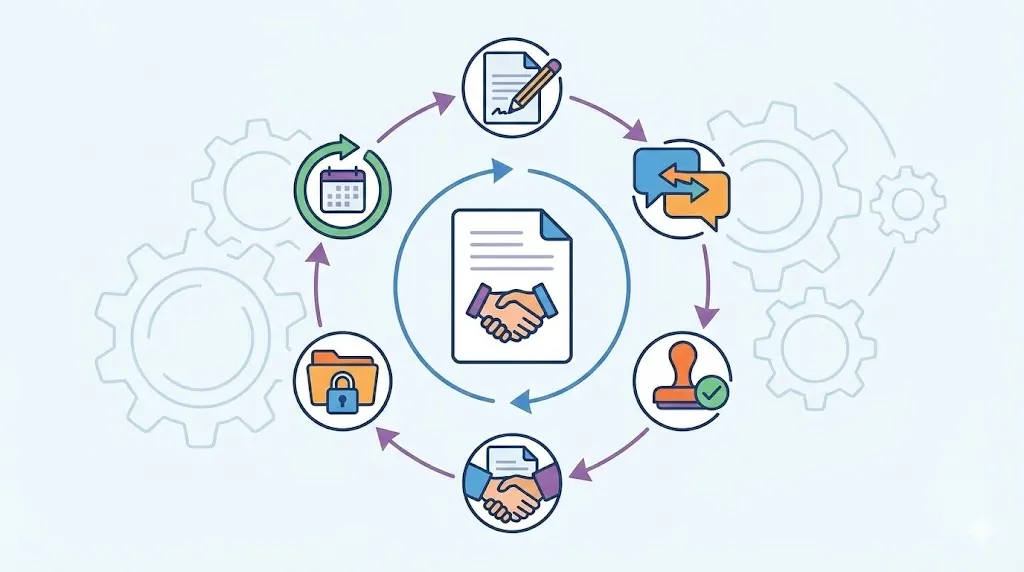
Volody AI CLM is an Agentic AI-powered Contract Lifecycle Management platform designed to eliminate manual contracting tasks, automate complex workflows, and deliver actionable insights. As a one-stop shop for all contract activities, it covers drafting, collaboration, negotiation, approvals, e-signature, compliance tracking, and renewals. Built with enterprise-grade security and no-code configuration, it meets the needs of the most complex global organizations. Volody AI CLM also includes AI-driven contract review and risk analysis, helping teams detect issues early and optimize terms. Trusted by Fortune 500 companies, high-growth startups, and government entities, it transforms contracts into strategic, data-driven business assets.





" height="216.72211px" id="FYO0bO80Y" transform="translate(3 6.105)" width="206.073px"/><path d="M 108.174 222 C 88.432 222 70.303 217.239 53.785 207.717 C 37.267 198.196 24.173 185.052 14.504 168.285 C 4.835 151.312 0 132.165 0 110.845 C 0 89.731 4.835 70.792 14.504 54.025 C 24.173 37.052 37.267 23.804 53.785 14.282 C 70.303 4.761 88.432 0 108.174 0 C 128.116 0 146.246 4.761 162.562 14.282 C 179.08 23.804 192.073 37.052 201.541 54.025 C 211.21 70.792 216.044 89.731 216.044 110.845 C 216.044 132.165 211.21 151.312 201.541 168.285 C 192.073 185.052 179.08 198.196 162.562 207.717 C 146.044 217.239 127.915 222 108.174 222 Z M 108.174 183.189 C 120.864 183.189 132.044 180.291 141.713 174.495 C 151.382 168.492 158.936 160.006 164.375 149.035 C 169.814 138.064 172.533 125.334 172.533 110.845 C 172.533 96.355 169.814 83.729 164.375 72.965 C 158.936 61.994 151.382 53.611 141.713 47.815 C 132.044 42.02 120.864 39.122 108.174 39.122 C 95.483 39.122 84.202 42.02 74.332 47.815 C 64.663 53.611 57.109 61.994 51.67 72.965 C 46.231 83.729 43.511 96.355 43.511 110.845 C 43.511 125.334 46.231 138.064 51.67 149.035 C 57.109 160.006 64.663 168.492 74.332 174.495 C 84.202 180.291 95.483 183.189 108.174 183.189 Z" fill="rgba(255, 255, 255, 0.12)" height="222px" id="aa1McFcE9" transform="translate(227.183 3)" width="216.04399999999998px"/><path d="M 42.302 182.257 L 111.799 182.257 L 111.799 216.722 L 0 216.722 L 0 0 L 42.302 0 Z" fill="rgba(255, 255, 255, 0.12)" height="216.72211px" id="yRq4AnrsX" transform="translate(477.721 6.105)" width="111.79899999999998px"/><path d="M 108.174 222 C 88.432 222 70.303 217.239 53.785 207.717 C 37.267 198.196 24.173 185.052 14.504 168.285 C 4.835 151.312 0 132.165 0 110.845 C 0 89.731 4.835 70.792 14.504 54.025 C 24.173 37.052 37.267 23.804 53.785 14.282 C 70.303 4.761 88.432 0 108.174 0 C 128.116 0 146.246 4.761 162.562 14.282 C 179.08 23.804 192.073 37.052 201.541 54.025 C 211.21 70.792 216.045 89.731 216.045 110.845 C 216.045 132.165 211.21 151.312 201.541 168.285 C 192.073 185.052 179.08 198.196 162.562 207.717 C 146.044 217.239 127.915 222 108.174 222 Z M 108.174 183.189 C 120.864 183.189 132.044 180.291 141.713 174.495 C 151.382 168.492 158.936 160.006 164.375 149.035 C 169.814 138.064 172.534 125.334 172.534 110.845 C 172.534 96.355 169.814 83.729 164.375 72.965 C 158.936 61.994 151.382 53.611 141.713 47.815 C 132.044 42.02 120.864 39.122 108.174 39.122 C 95.483 39.122 84.202 42.02 74.332 47.815 C 64.663 53.611 57.108 61.994 51.67 72.965 C 46.231 83.729 43.511 96.355 43.511 110.845 C 43.511 125.334 46.231 138.064 51.67 149.035 C 57.108 160.006 64.663 168.492 74.332 174.495 C 84.202 180.291 95.483 183.189 108.174 183.189 Z" fill="rgba(255, 255, 255, 0.12)" height="222px" id="mo8HQspQ0" transform="translate(609.155 3)" width="216.04500000000007px"/><path d="M 73.727 0 C 95.885 0 115.324 4.45 132.044 13.351 C 148.967 22.252 161.957 34.982 171.027 51.541 C 180.287 67.894 184.917 86.937 184.917 108.671 C 184.917 130.405 180.287 149.449 171.027 165.801 C 161.957 181.947 148.967 194.47 132.044 203.371 C 115.324 212.271 95.885 216.722 73.727 216.722 L 0 216.722 L 0 0 Z M 72.216 179.773 C 94.374 179.773 111.497 173.564 123.583 161.144 C 135.669 148.724 141.713 131.233 141.713 108.671 C 141.713 86.109 135.669 68.515 123.583 55.888 C 111.497 43.055 94.374 36.638 72.216 36.638 L 42.302 36.638 L 42.302 179.773 Z" fill="rgba(255, 255, 255, 0.12)" height="216.72211px" id="I3iXX5Hi_" transform="translate(859.693 6.105)" width="184.91699999999992px"/><path d="M 185.22 0 L 113.91 141.273 L 113.91 216.722 L 71.61 216.722 L 71.61 141.273 L 0 0 L 47.74 0 L 93.06 99.046 L 138.08 0 Z" fill="rgba(255, 255, 255, 0.12)" height="216.72211px" id="nzHyWC0_d" transform="translate(1061.78 6.105)" width="185.22000000000003px"/></svg>)