

Manual contract review remains a significant bottleneck for organizations, consuming excessive time and introducing costly errors. Lengthy legal documents require painstaking analysis, delaying critical decisions and increasing compliance risks. To overcome these challenges, contract abstraction offers a precise, scalable method to extract essential data swiftly and accurately. By converting complex contract language into structured, actionable insights, legal, procurement, and finance teams can accelerate workflows and enhance risk management. Implementing a standardized abstraction process is vital to ensure consistency, enable automation, and facilitate informed decision-making. This guide provides a clear, step-by-step framework to help you efficiently pull key data through contract abstraction.
TL;DR
Contract abstraction extracts critical data from contracts fast. It replaces slow manual review with a clear, repeatable process. Start by organizing contracts and choosing AI tools that fit your needs. Then standardize data fields and automate document scanning. Use AI models to pull key clauses and dates. Validate data with human checks and refine over time. This approach reduces errors and accelerates contract management.
Related articles: Contract Drafting Tips: Create Contracts Effortlessly
Prerequisites and Setup
Identifying Necessary Software and Tools
Begin by selecting the right contract data extraction tools. Many legal teams rely on AI contract abstraction software to speed the process. Look for platforms that support your contract types and can scale with volume. Features to prioritize include:
Bulk import and OCR scanning
Customizable extraction models
User permissions and audit trails
Choosing the right tool upfront saves time later. For example, some platforms specialize in financial terms extraction. Others excel at obligation extraction techniques. Match your choice to the contract types and data points you target.
Securing Access to Contract Repositories
Next, ensure you have secure access to all contract repositories. Contracts often live in multiple places: shared drives, cloud storage, or contract management systems. Centralizing access avoids gaps in data. Confirm you can:
Export contracts in bulk
Access permissions without delays
Maintain document confidentiality
Using a centralized contract database or management system can help. It simplifies retrieval and tracking during abstraction. Security remains critical at this stage. Limit access to authorized users only.
Preparing Your Team and Stakeholders
Finally, prepare your team and key stakeholders. Successful contract abstraction requires coordination across legal, procurement, and IT teams. Assign roles clearly:
Who will review and validate extracted data?
Who manages the AI tool setup and customization?
Who handles exceptions or manual abstraction?
Train the team on abstraction best practices and tool usage. Clear communication helps avoid confusion during rollout. Regular check-ins keep the project on track and aligned with business needs.
Related articles: Legacy Contracts: How to Effectively Migrate to a CLM
Step 1: Organize and Prepare Contracts for Efficient Processing
Sorting Contracts by Type and Priority
Start by sorting contracts into groups based on type and priority. Categorize them as sales agreements, vendor contracts, NDAs, or employment agreements. Prioritize contracts by:
Expiry or renewal dates
Financial impact
Risk level
This sorting helps you focus on the most critical contracts first. For example, contracts nearing renewal demand faster abstraction to support decision-making. A clear priority list ensures resources target high-value documents.
Digitizing Physical Documents
Physical contracts slow down the process. Scan all hard copies to create digital versions. Use high-quality scanners to capture clear images. Poor scans cause errors during OCR and AI extraction. Label files consistently to link back to originals easily.
Digitizing contracts also enables bulk processing with AI. Without digital files, abstraction relies on slow manual entry. This step removes a major bottleneck and sets the stage for automation.
Creating a Centralized Contract Database
Gather all digital contracts into a centralized database or repository. This acts as a single source of truth for the abstraction process. The database should support:
Easy search and retrieval
Version control
Integration with contract abstraction tools
A centralized platform reduces duplication and lost files. Legal teams can track progress and update abstracts from one place. It also supports reporting and audit trails.
Related articles: Contract Redlining: 5 Essential Tips for Effective
Step 2: Choose and Configure AI-Powered Extraction Tools
Evaluating AI Features and Capabilities
Select AI contract abstraction software that fits your needs. Evaluate tools based on their ability to extract specific data points. Key features to consider:
Accuracy of clause recognition
Support for multiple languages and formats
Ability to handle complex conditional clauses
Trial multiple platforms if possible. Testing with your contract samples reveals real-world performance. According to Gartner, 65% of legal teams report faster processing with AI tools that match their contract types well.
Customizing Extraction Models for Your Contracts
Most AI tools let you customize extraction models. Tailor them to your contract language and key terms. Define which clauses and data fields to pull, such as:
Contract parties
Effective and expiry dates
Payment terms
Renewal conditions
Custom models improve accuracy by focusing on your priorities. Train the AI using annotated contract samples from your database. This iterative process sharpens the model’s recognition skills.
Setting Up User Permissions and Security
Configure user roles and permissions carefully. Limit access to sensitive contracts and extracted data. Ensure the tool logs user actions for compliance. Set permissions for:
Data entry and validation
Model training and adjustment
Report generation and export
Security settings protect confidential information. They also prevent accidental changes to abstracts. Involve your IT and compliance teams in this setup.
Step 3: Standardize Contract Formats and Data Fields
Defining Uniform Data Fields Across Contracts
Create a standard set of data fields for every contract type. Uniform fields make it easier to compare and analyze contracts. Typical fields include:
Contract ID and title
Parties involved
Start and end dates
Payment amounts and schedules
Key obligations and rights
Define each field clearly to avoid ambiguity. For example, specify date formats and currency types. This consistency supports automated reporting and alerts.
Creating Template Guidelines for Consistency
Develop templates or checklists to guide abstraction. These should detail:
Which clauses to extract
How to handle variations in wording
Formatting rules for data entry
Templates help human reviewers and AI models stay aligned. They also speed training new team members. Update templates regularly as contract language or business needs change.
Managing Exceptions and Non-Standard Clauses
Not all contracts fit standard templates. Prepare a process to handle exceptions. Flag unusual clauses for manual review or specialized extraction. Document rules for:
Identifying non-standard language
Escalating complex clauses
Storing exception notes with abstracts
This approach prevents overlooked risks. It ensures all relevant data is captured, even if not standard.
Step 4: Automate Bulk Import and OCR Scanning
Preparing Documents for OCR Processing
Before scanning, prepare documents carefully. Remove staples and ensure pages are in order. Use clean, high-contrast backgrounds to improve scan quality. For digital files, convert to supported formats like PDF or TIFF.
Good preparation reduces OCR errors. It also speeds up processing by minimizing manual fixes. According to AIIM, poor document quality causes 30% of OCR failures.
Configuring OCR Settings for Legal Texts
Adjust OCR software settings to suit legal documents. Use dictionary files customized with legal terms and contract-specific vocabulary. Enable features that recognize tables, signatures, and clause numbering.
Some tools offer pre-built legal OCR profiles. These improve recognition accuracy for:
Dates and numeric values
Special characters like § or ¶
Line breaks and indents
Test settings with sample contracts and refine as needed.
Handling Errors and Low-Quality Scans
Set up workflows to catch and correct OCR errors quickly. Use automated alerts when scans fall below confidence thresholds. Assign human reviewers to fix or rescan problematic documents.
Maintain logs of errors and fixes. This helps identify recurring issues. Over time, improve scanning protocols and OCR settings based on error trends.
Step 5: Extract Key Data Points Using AI Models
Training AI to Recognize Critical Contract Elements
Train AI models with annotated examples highlighting key data points. Include diverse contract samples to cover various clauses and formats. Regularly update training data to reflect new contract language.
Use active learning techniques where the AI suggests extractions and humans confirm or correct them. This feedback loop improves model precision. Over time, the AI can handle more complex clauses with less supervision.
Extracting Parties, Dates, and Financial Terms
Focus extraction on high-value fields first. These often include:
Contract parties’ legal names
Effective, renewal, and termination dates
Payment amounts, schedules, and penalties
Accurate capture of these fields supports compliance and financial planning. For example, contract renewal data abstraction helps track upcoming renewals to avoid auto-renewal risks.
Managing Complex Clauses and Conditional Data
Contracts often contain conditional clauses and nested terms. Train AI to identify trigger phrases like "if," "unless," or "subject to." Use advanced models capable of parsing logic and dependencies.
Flag ambiguous or compound clauses for human review. Combine AI extraction with obligation extraction techniques to capture duties tied to conditions. This ensures no critical terms slip through.
Step 6: Validate and Refine Extracted Data for Accuracy
Implementing Human Review Workflows
No AI model is perfect. Set up human review stages to verify extracted data. Reviewers check for accuracy and completeness. They correct errors before data enters contract management systems.
Use a sampling method if volume is high. Focus on contracts with lower AI confidence scores or complex clauses. This balances speed with quality.
Using Validation Tools and Dashboards
Leverage validation dashboards to track data quality metrics. Monitor:
Extraction accuracy rates
Error types and frequency
Review turnaround times
Dashboards provide real-time insight into abstraction health. Teams can quickly address issues and prioritize workloads.
Continuous Improvement Through Feedback Loops
Create feedback loops between reviewers and AI trainers. Use corrections to retrain models regularly. Update templates and guidelines based on new findings.
This cycle sharpens accuracy and efficiency. Over time, your contract abstraction process becomes more reliable and less manual.
Common Mistakes and How to Fix Them
Overlooking Contract Format Variability
A common error is ignoring contract format differences. Contracts vary widely in layout and language. Using one-size-fits-all extraction rules leads to missed data.
Fix this by segmenting contracts by type and customizing extraction models accordingly. Maintain flexible templates that adapt to format quirks.
Ignoring the Importance of Quality Control
Skipping robust quality control risks inaccurate data. Errors can cause compliance failures or financial losses.
Establish mandatory human review checkpoints. Use validation tools to detect trends. Regular audits keep data trustworthy.
Establishing a Rapid Diagnostic Process
Without quick problem diagnosis, errors pile up. Teams waste time fixing repeated issues.
Implement a rapid diagnostic process that flags errors early. Use automated alerts for OCR failures and low-confidence extractions. Assign dedicated personnel to troubleshoot and resolve issues fast.
Conclusion
Contract abstraction is a strategic imperative that transforms contract review from a slow, error-prone task into a streamlined, reliable process. By methodically organizing contracts, selecting AI tools tailored to your needs, and establishing standardized data fields and templates, your team can extract critical contract information swiftly and with precision. Automating bulk import and OCR scanning further accelerates processing, while AI-driven extraction captures essential details such as parties, dates, and financial terms. Rigorous human validation ensures data integrity, and continuous feedback loops drive ongoing improvements. Adopting this approach can reduce contract review time by up to 70%, enabling your organization to mitigate risk, enhance compliance, and allocate legal resources more effectively.
Begin by conducting a thorough audit of your contract portfolio and prioritizing documents with the highest impact. Choose AI contract abstraction software aligned with your contract types and volume, then implement standardized workflows and automation to minimize manual effort. Maintain vigilant data validation and continuously refine AI models with fresh input. Looking ahead, integrate abstraction outputs with your contract lifecycle management and analytics platforms to unlock deeper insights and smarter decision-making. Embrace contract abstraction not merely as a task, but as a competitive advantage in managing legal risk and driving business performance.
Frequently Asked Questions
What is contract abstraction?
Contract abstraction is the process of extracting key data points from contracts. It turns complex legal text into structured information. This makes contracts easier to manage, compare, and analyze. The goal is to pull essential terms like parties, dates, obligations, and payment details without reading the full document.
How do AI contract abstraction software tools work?
AI contract abstraction software uses machine learning and natural language processing. It reads contracts and identifies key clauses automatically. The software extracts data based on trained models and customizable templates. This speeds up the process and improves consistency compared to manual abstraction.
What are the main benefits of contract abstraction?
Contract abstraction offers faster contract review and better data accuracy. It reduces manual workloads and lowers compliance risks. Teams gain clear insight into contract obligations, renewal dates, and financial terms. This helps with decision-making, risk management, and portfolio oversight.
How to abstract contract clauses effectively?
Start by defining which clauses matter most for your business. Use templates to guide extraction. Train AI models with sample contracts. Review extracted clauses to ensure accuracy. Handle exceptions with manual checks. Keep templates updated as contract language changes.
What are contract abstraction best practices?
Best practices include standardizing data fields, using AI tools suited to your contract types, and involving human reviewers. Maintain clear templates and workflows. Automate scanning and import processes. Monitor data quality with dashboards. Continuously train AI models with feedback.
What is the contract abstraction process?
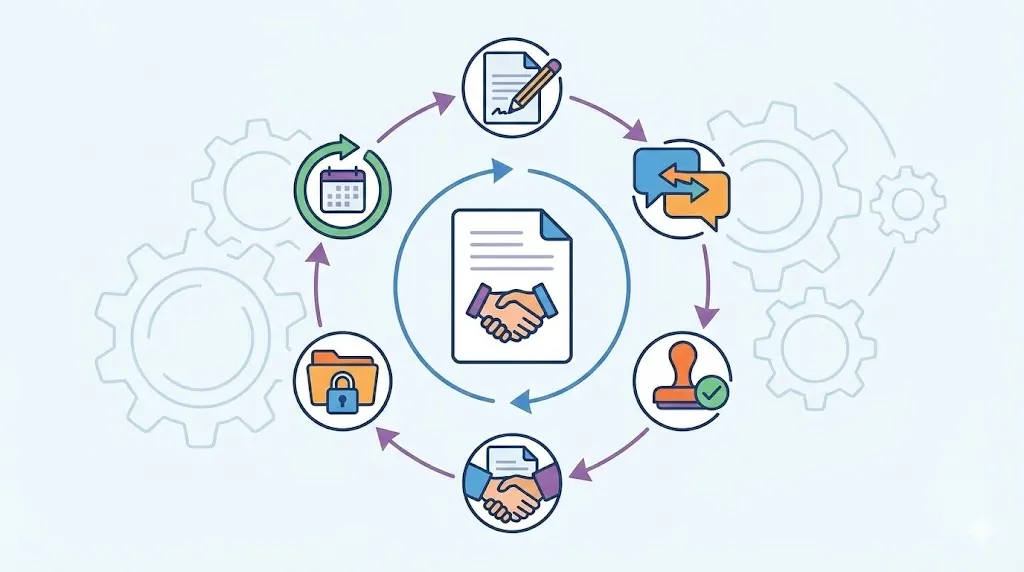
The process includes organizing contracts, choosing tools, standardizing fields, automating document import, extracting data with AI, and validating results. Each step builds on the last to create an efficient, repeatable workflow. Human review and feedback loops improve accuracy over time.
How does manual vs automated contract abstraction compare?
Manual abstraction is slow, costly, and error-prone. It requires legal experts to read contracts line by line. Automated abstraction uses AI to speed data capture and reduce errors. While automation needs setup and training, it scales better for large contract volumes.
What are contract obligation extraction techniques?
These techniques focus on identifying duties and responsibilities within contracts. They use pattern recognition and keyword spotting. AI models are trained to detect obligation language like "shall," "must," or "will." Extracted obligations are then summarized and tracked.
How do you handle contract renewal data abstraction?
Identify renewal clauses and key dates during abstraction. Use AI to extract automatic renewal terms, notice periods, and expiration dates. Flag upcoming renewals in dashboards or alerts. This helps teams act timely to renegotiate or cancel contracts.
What are some top contract abstraction platforms?
Leading platforms include Ironclad, Kira Systems, Luminance, and Evisort. Each offers AI contract abstraction tools with varying strengths. Some focus on financial terms, others on obligation extraction or contract lifecycle integration. Evaluate them based on features, accuracy, and ease of use.
About the Company

Volody AI CLM is an Agentic AI-powered Contract Lifecycle Management platform designed to eliminate manual contracting tasks, automate complex workflows, and deliver actionable insights. As a one-stop shop for all contract activities, it covers drafting, collaboration, negotiation, approvals, e-signature, compliance tracking, and renewals. Built with enterprise-grade security and no-code configuration, it meets the needs of the most complex global organizations. Volody AI CLM also includes AI-driven contract review and risk analysis, helping teams detect issues early and optimize terms. Trusted by Fortune 500 companies, high-growth startups, and government entities, it transforms contracts into strategic, data-driven business assets.





" height="216.72211px" id="FYO0bO80Y" transform="translate(3 6.105)" width="206.073px"/><path d="M 108.174 222 C 88.432 222 70.303 217.239 53.785 207.717 C 37.267 198.196 24.173 185.052 14.504 168.285 C 4.835 151.312 0 132.165 0 110.845 C 0 89.731 4.835 70.792 14.504 54.025 C 24.173 37.052 37.267 23.804 53.785 14.282 C 70.303 4.761 88.432 0 108.174 0 C 128.116 0 146.246 4.761 162.562 14.282 C 179.08 23.804 192.073 37.052 201.541 54.025 C 211.21 70.792 216.044 89.731 216.044 110.845 C 216.044 132.165 211.21 151.312 201.541 168.285 C 192.073 185.052 179.08 198.196 162.562 207.717 C 146.044 217.239 127.915 222 108.174 222 Z M 108.174 183.189 C 120.864 183.189 132.044 180.291 141.713 174.495 C 151.382 168.492 158.936 160.006 164.375 149.035 C 169.814 138.064 172.533 125.334 172.533 110.845 C 172.533 96.355 169.814 83.729 164.375 72.965 C 158.936 61.994 151.382 53.611 141.713 47.815 C 132.044 42.02 120.864 39.122 108.174 39.122 C 95.483 39.122 84.202 42.02 74.332 47.815 C 64.663 53.611 57.109 61.994 51.67 72.965 C 46.231 83.729 43.511 96.355 43.511 110.845 C 43.511 125.334 46.231 138.064 51.67 149.035 C 57.109 160.006 64.663 168.492 74.332 174.495 C 84.202 180.291 95.483 183.189 108.174 183.189 Z" fill="rgba(255, 255, 255, 0.12)" height="222px" id="aa1McFcE9" transform="translate(227.183 3)" width="216.04399999999998px"/><path d="M 42.302 182.257 L 111.799 182.257 L 111.799 216.722 L 0 216.722 L 0 0 L 42.302 0 Z" fill="rgba(255, 255, 255, 0.12)" height="216.72211px" id="yRq4AnrsX" transform="translate(477.721 6.105)" width="111.79899999999998px"/><path d="M 108.174 222 C 88.432 222 70.303 217.239 53.785 207.717 C 37.267 198.196 24.173 185.052 14.504 168.285 C 4.835 151.312 0 132.165 0 110.845 C 0 89.731 4.835 70.792 14.504 54.025 C 24.173 37.052 37.267 23.804 53.785 14.282 C 70.303 4.761 88.432 0 108.174 0 C 128.116 0 146.246 4.761 162.562 14.282 C 179.08 23.804 192.073 37.052 201.541 54.025 C 211.21 70.792 216.045 89.731 216.045 110.845 C 216.045 132.165 211.21 151.312 201.541 168.285 C 192.073 185.052 179.08 198.196 162.562 207.717 C 146.044 217.239 127.915 222 108.174 222 Z M 108.174 183.189 C 120.864 183.189 132.044 180.291 141.713 174.495 C 151.382 168.492 158.936 160.006 164.375 149.035 C 169.814 138.064 172.534 125.334 172.534 110.845 C 172.534 96.355 169.814 83.729 164.375 72.965 C 158.936 61.994 151.382 53.611 141.713 47.815 C 132.044 42.02 120.864 39.122 108.174 39.122 C 95.483 39.122 84.202 42.02 74.332 47.815 C 64.663 53.611 57.108 61.994 51.67 72.965 C 46.231 83.729 43.511 96.355 43.511 110.845 C 43.511 125.334 46.231 138.064 51.67 149.035 C 57.108 160.006 64.663 168.492 74.332 174.495 C 84.202 180.291 95.483 183.189 108.174 183.189 Z" fill="rgba(255, 255, 255, 0.12)" height="222px" id="mo8HQspQ0" transform="translate(609.155 3)" width="216.04500000000007px"/><path d="M 73.727 0 C 95.885 0 115.324 4.45 132.044 13.351 C 148.967 22.252 161.957 34.982 171.027 51.541 C 180.287 67.894 184.917 86.937 184.917 108.671 C 184.917 130.405 180.287 149.449 171.027 165.801 C 161.957 181.947 148.967 194.47 132.044 203.371 C 115.324 212.271 95.885 216.722 73.727 216.722 L 0 216.722 L 0 0 Z M 72.216 179.773 C 94.374 179.773 111.497 173.564 123.583 161.144 C 135.669 148.724 141.713 131.233 141.713 108.671 C 141.713 86.109 135.669 68.515 123.583 55.888 C 111.497 43.055 94.374 36.638 72.216 36.638 L 42.302 36.638 L 42.302 179.773 Z" fill="rgba(255, 255, 255, 0.12)" height="216.72211px" id="I3iXX5Hi_" transform="translate(859.693 6.105)" width="184.91699999999992px"/><path d="M 185.22 0 L 113.91 141.273 L 113.91 216.722 L 71.61 216.722 L 71.61 141.273 L 0 0 L 47.74 0 L 93.06 99.046 L 138.08 0 Z" fill="rgba(255, 255, 255, 0.12)" height="216.72211px" id="nzHyWC0_d" transform="translate(1061.78 6.105)" width="185.22000000000003px"/></svg>)