
Renewing a lease is a critical opportunity to secure more favorable conditions. Many tenants approach this process without adequate preparation, risking unfavorable rent increases or restrictive clauses. By adopting a strategic, informed approach, you position yourself to negotiate effectively, protect your rights, and achieve better lease terms. This comprehensive guide outlines a step by step methodology to maximize your advantages during lease renewal negotiations, supported by practical advice and real world examples.
Key Takeaways
Lease renewal agreements extend your rental contract under new terms. To improve your deal, start by reviewing your current lease carefully. Research local market rents to understand your position. Highlight your good tenant history and offer longer lease terms to gain leverage. Negotiate rent changes and request added amenities fairly. Finally, get every agreed term in writing. This system avoids common pitfalls and helps you secure better lease conditions.
Related articles: What are Contract Terms and Legal Jargon? Master the Basics
The Problem and Why a Systematic Approach Wins
Common Pitfalls in Lease Renewals
Many tenants treat lease renewal agreements as a formality. They assume the landlord’s first offer is final. This often leads to accepting rent hikes or unfavorable clauses. Some overlook key lease provisions, missing chances to negotiate improvements. Others fail to confirm agreed changes in writing, which causes disputes later. Without preparation, tenants give landlords the upper hand.
Renewal deadlines can catch tenants off guard. When time runs short, tenants rush decisions. This pressure weakens negotiating power. Moreover, some tenants don’t track market rents or their own rental history. They miss data that could support better terms. In short, a lack of strategy harms tenants financially and legally.
Benefits of a Structured Negotiation Process
A clear, step by step process changes the game. It helps tenants prepare thoroughly, know their rights, and negotiate confidently. You’ll spot opportunities to lower rent or add benefits. A structured approach also helps build goodwill with landlords by showing professionalism.
This method reduces surprises and conflict. It ensures all parties agree on updated terms and sign a valid lease renewal agreement. You avoid misunderstandings about rental amounts, lease length, or property rules. Ultimately, a well planned negotiation saves money, protects your rights, and improves your rental experience.
Prerequisites and Setup: What You Need Before You Start
Gathering Necessary Documents and Information
Before negotiations, collect all relevant documents. Get your current lease agreement, any prior renewal letters, and rent payment records. Also, gather proof of timely payments and any communication with your landlord about the property. These documents provide a solid foundation.
You should also find local rental market data. This includes average rents for similar units nearby, vacancy rates, and recent lease deals. Sources like real estate websites, government housing reports, and local realty agents offer reliable insights. Having this info helps you argue for fair rent adjustments.
Identifying Your Negotiation Objectives
Clarify what you want from the renewal. Typical goals include:
Lower or stable rent
Longer lease term for security
Added amenities or repairs
Flexibility on lease terms
Write down your priorities and decide which points are essential versus negotiable. This clarity keeps discussions focused and effective.
Setting a Realistic Timeline
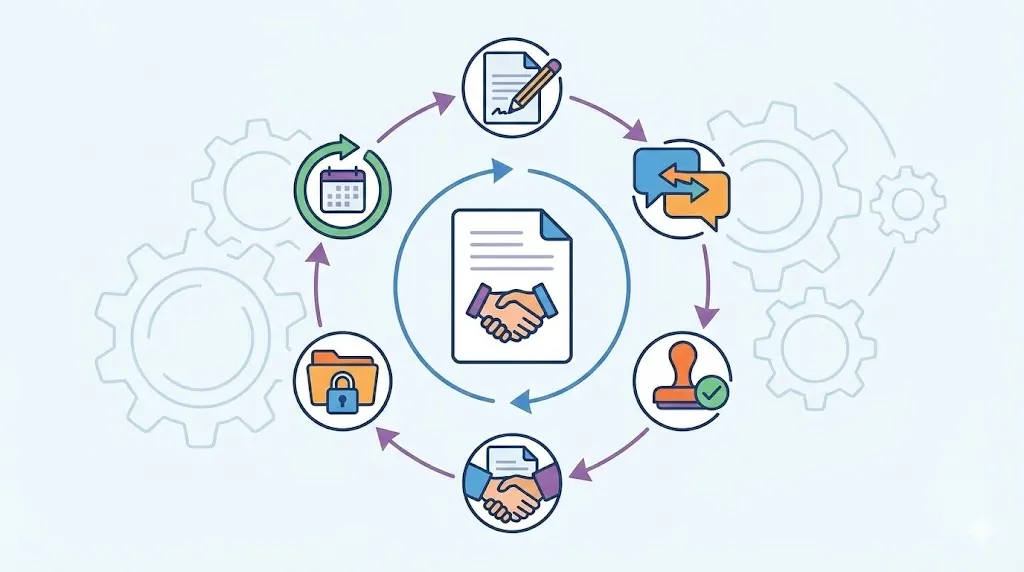
Start early, ideally 60 days before your lease expires. This gives time to review, negotiate, and finalize the agreement without pressure. Set milestones:
Week 1: Review current lease and gather data
Week 2: Draft negotiation points and reach out to landlord
Week 3 to 4: Discuss terms and propose changes
Week 5: Finalize and sign renewal agreement
A timeline keeps you on track and avoids last minute rushes that favor landlords.
Related articles: What are Licensing Agreements? Benefits & Best Practices
Step 1: Review Your Current Lease Agreement Thoroughly
Key Clauses to Examine Closely
Start by reading your current lease carefully. Focus on clauses about rent, lease duration, renewal options, and penalties. Take notes on:
Rent amount and due dates
Lease start and end dates
Renewal clause details (notice periods, automatic renewals)
Termination rights for both parties
Maintenance responsibilities
Rules about rent increases
Understanding these helps you spot what can change in the renewal.
Identifying Renewal and Termination Provisions
Many leases include a renewal clause specifying how to extend the lease. Check if it requires written notice and how far in advance. Some leases renew automatically unless you or the landlord object. Others allow renegotiation of terms.
Know your termination rights too. Can you end the lease early without penalty? Does the landlord have limits on raising rent or changing terms? These details frame your negotiation boundaries.
Understanding Your Rights and Obligations
Review your legal rights under local rental laws. For example, states often limit how much rent can rise during renewal. Some require landlords to provide renewals in writing. Tenant protections vary by location but usually include fair notice periods and habitability standards.
Know your obligations as a tenant as well. Are you up to date on rent and maintenance? Landlords expect responsible tenants to reward with better terms. Being informed lets you negotiate from a position of strength.
Related articles: Understanding Non-Disclosure Agreements: Key Insights
Step 2: Research Market Rental Rates and Local Trends
Sources for Accurate Rental Market Data
Reliable data is key to negotiating rent. Use:
Online rental listings for similar properties
Government housing reports and census data
Real estate agents and property managers
Local tenant associations and forums
Cross check sources to confirm accuracy. Trends vary by neighborhood, property type, and season, so look for recent data.
Analyzing Comparable Properties
Identify 3 to 5 properties like yours in size, amenities, and location. Compare their rent, lease length, and condition. Note if they include utilities, parking, or upgrades.
This comparison shows whether your current rent is fair or above market. If nearby units rent for less, you have leverage to ask for a reduction. If rents rose sharply, prepare to justify why yours should stay steady.
Interpreting Market Trends to Your Advantage
Look beyond numbers. Is vacancy high, giving tenants more choice? Are there new developments increasing supply? Is demand falling due to economic factors?
Use trends to support your case. For example, if the market softens, argue for stable or lower rent. If the landlord wants a quick renewal, offer a longer lease in exchange for better terms.
Step 3: Highlight Your Positive Rental History and Tenant Value
Documenting Timely Payments and Property Care
Good tenant history is your strongest asset. Collect proof of on time rent payments, such as bank statements or receipts. Document how you maintain the property, report issues promptly, and respect neighbors.
If you’ve made improvements or helped reduce landlord costs, note these too. This record shows you as a low risk tenant worth rewarding.
Communicating Your Reliability to the Landlord
When negotiating, highlight your history clearly. Share a summary of your punctual payments and care for the property. Remind the landlord that keeping a reliable tenant reduces vacancy risk and turnover costs.
A respectful, professional tone works best. Avoid threats or ultimatums. Frame requests as mutually beneficial.
Leveraging Tenant History in Negotiations
Use your tenant value to ask for:
Rent freezes or smaller increases
Repairs or upgrades at landlord’s cost
Flexible lease terms
Landlords often prefer steady income from a trusted tenant over uncertain new renters. Your positive record can tip the balance in your favor.
Step 4: Propose Long Term Lease Commitments for Mutual Benefit
Advantages of Offering Extended Lease Terms
Offering to renew for a longer period, such as 18 or 24 months, appeals to landlords. It guarantees income and cuts vacancy risk. Longer leases may also lower rent increases.
This approach suits tenants seeking stability and landlords wanting steady cash flow.
Structuring Proposals That Appeal to Landlords
When proposing longer terms:
Suggest a fixed rent or moderate increase schedule
Include options for periodic rent reviews tied to market rates
Offer upfront payments or security deposits if possible
Make clear how your proposal benefits both sides. For example, a small rent increase may be acceptable if the lease runs longer.
Negotiating Flexibility Within Long Term Agreements
Ask for flexibility clauses, such as:
Early termination options with notice
Rent adjustment caps
Right to sublet or assign lease
These protect you if circumstances change. Landlords may accept such terms in exchange for a longer lease commitment.
Step 5: Negotiate Rent Adjustments and Additional Amenities
Presenting Reasonable Rent Adjustment Requests
Base rent requests on market research and your tenant value. Propose rent holds or modest increases aligned with inflation. If rents rose sharply, ask for phased increases over time.
Be ready to explain your reasoning clearly and back it with data.
Identifying Valuable Amenities to Request
If the landlord resists rent cuts, ask for perks instead. Examples:
Parking spaces
Upgraded appliances or fixtures
Improved security or common area maintenance
Utility cost sharing
These add value without reducing landlord income directly.
Crafting Balanced Proposals for Mutual Gain
Balance your requests so both parties win. For example:
You accept a small rent rise
Landlord agrees to new amenities or repairs
This builds goodwill and smooths negotiations. Avoid extreme demands that stall talks.
Step 6: Get All Agreed Terms Documented in Writing
Importance of a Legally Binding Written Agreement
Verbal promises won’t protect you. Get every agreed term in a signed lease renewal agreement. This document legally extends your lease with updated conditions.
A clear written agreement prevents misunderstandings and legal disputes.
Reviewing and Editing the Renewal Document
Read the renewal carefully before signing. Check:
Accurate rent and payment dates
Correct lease period
All negotiated terms included
No unexpected clauses added
Request edits if needed. Use a lease renewal agreement template download to compare standard formats.
Ensuring Both Parties Properly Sign and Retain Copies
Make sure both you and the landlord sign and date the agreement. Each party should keep a copy for records. Send signed copies promptly to avoid delays.
Confirming signatures finalizes the deal and protects your rights.
Related Article: How to Build Contract Processes That Survive Turnover
Common Mistakes and How to Fix Them
Overlooking Market Research and Lease Details
Skipping market analysis or ignoring lease clauses weakens your position. Fix this by reviewing your lease and researching local rents early. This prep is non-negotiable.
Failing to Obtain Written Confirmation
Relying on verbal agreements leads to disputes. Always insist on a signed lease renewal agreement. If you missed this, request a confirmation letter or email summarizing terms.
Strategies to Correct Renewal Process Errors
If you signed without negotiation, check if you can reopen talks before the new term starts. If lease terms are unclear, seek legal advice. Document all communication and keep a timeline.
Act quickly to correct errors before they cause bigger problems.
Related Article: Inflation, Turnover, and the Contract Management Challenge
Conclusion
Achieving improved lease renewal terms demands thorough preparation, market insight, and professional negotiation. Begin by auditing your current lease and compiling relevant rental market data. Leverage your positive tenant history and consider proposing longer lease commitments to enhance your bargaining position. Approach rent adjustments and amenity requests with fairness and clarity, and ensure all agreements are formalized in a signed written document. This disciplined strategy not only fosters constructive landlord relationships but also secures tangible financial and living condition benefits.
Initiate your lease renewal process today with a detailed lease review and market analysis. A proactive, well informed approach can reduce your rental expenses by up to 10% or yield valuable property upgrades. By taking control and negotiating confidently, you establish a foundation for ongoing savings and a more favorable rental experience.
Frequently Asked Questions
What is a lease renewal agreement?
A lease renewal agreement extends the original lease after it expires. It sets new terms for rent, length, and rules. Both landlord and tenant sign it to confirm mutual consent. This document replaces or supplements the original lease for the renewal period.
How do I negotiate lease renewal terms effectively?
Start by reviewing your lease and researching local rents. Highlight your positive rental history to the landlord. Propose reasonable rent changes or request added benefits. Offer longer lease terms for stability. Always communicate clearly and get agreements in writing.
What are the benefits of lease renewal agreements?
They provide continuity and legal clarity. Renewals let tenants stay without moving and landlords avoid vacancy. They allow updating rent and conditions fairly. A signed agreement protects both parties from disputes.
How do lease renewal agreements differ from lease extensions?
A lease renewal agreement creates a new contract with updated terms after the original ends. A lease extension usually prolongs the current lease under existing terms. Renewals often involve negotiation; extensions tend to be simpler.
What key clauses should I check before renewing?
Review rent amount, lease length, renewal options, termination rights, and maintenance duties. Check notice periods and rent increase limits. Knowing these helps you negotiate smartly.
How can I request a rent reduction during renewal?
Use market data to show comparable rents are lower. Highlight your good payment history and tenant reliability. Propose a fair reduction or phased decrease. Frame it as a win-win to encourage landlord agreement.
What legal considerations apply to lease renewal agreements?
Local laws may limit rent increases and require written renewals. Tenants often have rights to timely notice and habitability. Know these rules to protect yourself and spot illegal terms.
Are there templates for lease renewal agreements?
Yes, many websites offer lease renewal agreement template downloads. Use these to draft or review your renewal document. Templates ensure you include essential terms and legal language.
What common mistakes should I avoid in lease renewal negotiations?
Don’t ignore market research or rush decisions. Avoid verbal agreements without writing. Don’t miss renewal deadlines or overlook lease clauses. Prepare thoroughly and get everything in a signed document.
How can I improve lease renewal conditions besides rent?
Request upgrades like new appliances, better security, or parking spots. Ask for flexible lease terms or maintenance commitments. Sometimes added amenities provide more value than rent cuts.
About the Company

Volody AI CLM is an Agentic AI-powered Contract Lifecycle Management platform designed to eliminate manual contracting tasks, automate complex workflows, and deliver actionable insights. As a one-stop shop for all contract activities, it covers drafting, collaboration, negotiation, approvals, e-signature, compliance tracking, and renewals. Built with enterprise-grade security and no-code configuration, it meets the needs of the most complex global organizations. Volody AI CLM also includes AI-driven contract review and risk analysis, helping teams detect issues early and optimize terms. Trusted by Fortune 500 companies, high-growth startups, and government entities, it transforms contracts into strategic, data-driven business assets.





" height="216.72211px" id="FYO0bO80Y" transform="translate(3 6.105)" width="206.073px"/><path d="M 108.174 222 C 88.432 222 70.303 217.239 53.785 207.717 C 37.267 198.196 24.173 185.052 14.504 168.285 C 4.835 151.312 0 132.165 0 110.845 C 0 89.731 4.835 70.792 14.504 54.025 C 24.173 37.052 37.267 23.804 53.785 14.282 C 70.303 4.761 88.432 0 108.174 0 C 128.116 0 146.246 4.761 162.562 14.282 C 179.08 23.804 192.073 37.052 201.541 54.025 C 211.21 70.792 216.044 89.731 216.044 110.845 C 216.044 132.165 211.21 151.312 201.541 168.285 C 192.073 185.052 179.08 198.196 162.562 207.717 C 146.044 217.239 127.915 222 108.174 222 Z M 108.174 183.189 C 120.864 183.189 132.044 180.291 141.713 174.495 C 151.382 168.492 158.936 160.006 164.375 149.035 C 169.814 138.064 172.533 125.334 172.533 110.845 C 172.533 96.355 169.814 83.729 164.375 72.965 C 158.936 61.994 151.382 53.611 141.713 47.815 C 132.044 42.02 120.864 39.122 108.174 39.122 C 95.483 39.122 84.202 42.02 74.332 47.815 C 64.663 53.611 57.109 61.994 51.67 72.965 C 46.231 83.729 43.511 96.355 43.511 110.845 C 43.511 125.334 46.231 138.064 51.67 149.035 C 57.109 160.006 64.663 168.492 74.332 174.495 C 84.202 180.291 95.483 183.189 108.174 183.189 Z" fill="rgba(255, 255, 255, 0.12)" height="222px" id="aa1McFcE9" transform="translate(227.183 3)" width="216.04399999999998px"/><path d="M 42.302 182.257 L 111.799 182.257 L 111.799 216.722 L 0 216.722 L 0 0 L 42.302 0 Z" fill="rgba(255, 255, 255, 0.12)" height="216.72211px" id="yRq4AnrsX" transform="translate(477.721 6.105)" width="111.79899999999998px"/><path d="M 108.174 222 C 88.432 222 70.303 217.239 53.785 207.717 C 37.267 198.196 24.173 185.052 14.504 168.285 C 4.835 151.312 0 132.165 0 110.845 C 0 89.731 4.835 70.792 14.504 54.025 C 24.173 37.052 37.267 23.804 53.785 14.282 C 70.303 4.761 88.432 0 108.174 0 C 128.116 0 146.246 4.761 162.562 14.282 C 179.08 23.804 192.073 37.052 201.541 54.025 C 211.21 70.792 216.045 89.731 216.045 110.845 C 216.045 132.165 211.21 151.312 201.541 168.285 C 192.073 185.052 179.08 198.196 162.562 207.717 C 146.044 217.239 127.915 222 108.174 222 Z M 108.174 183.189 C 120.864 183.189 132.044 180.291 141.713 174.495 C 151.382 168.492 158.936 160.006 164.375 149.035 C 169.814 138.064 172.534 125.334 172.534 110.845 C 172.534 96.355 169.814 83.729 164.375 72.965 C 158.936 61.994 151.382 53.611 141.713 47.815 C 132.044 42.02 120.864 39.122 108.174 39.122 C 95.483 39.122 84.202 42.02 74.332 47.815 C 64.663 53.611 57.108 61.994 51.67 72.965 C 46.231 83.729 43.511 96.355 43.511 110.845 C 43.511 125.334 46.231 138.064 51.67 149.035 C 57.108 160.006 64.663 168.492 74.332 174.495 C 84.202 180.291 95.483 183.189 108.174 183.189 Z" fill="rgba(255, 255, 255, 0.12)" height="222px" id="mo8HQspQ0" transform="translate(609.155 3)" width="216.04500000000007px"/><path d="M 73.727 0 C 95.885 0 115.324 4.45 132.044 13.351 C 148.967 22.252 161.957 34.982 171.027 51.541 C 180.287 67.894 184.917 86.937 184.917 108.671 C 184.917 130.405 180.287 149.449 171.027 165.801 C 161.957 181.947 148.967 194.47 132.044 203.371 C 115.324 212.271 95.885 216.722 73.727 216.722 L 0 216.722 L 0 0 Z M 72.216 179.773 C 94.374 179.773 111.497 173.564 123.583 161.144 C 135.669 148.724 141.713 131.233 141.713 108.671 C 141.713 86.109 135.669 68.515 123.583 55.888 C 111.497 43.055 94.374 36.638 72.216 36.638 L 42.302 36.638 L 42.302 179.773 Z" fill="rgba(255, 255, 255, 0.12)" height="216.72211px" id="I3iXX5Hi_" transform="translate(859.693 6.105)" width="184.91699999999992px"/><path d="M 185.22 0 L 113.91 141.273 L 113.91 216.722 L 71.61 216.722 L 71.61 141.273 L 0 0 L 47.74 0 L 93.06 99.046 L 138.08 0 Z" fill="rgba(255, 255, 255, 0.12)" height="216.72211px" id="nzHyWC0_d" transform="translate(1061.78 6.105)" width="185.22000000000003px"/></svg>)