
Sensitive contracts hold critical information that can expose your organization to legal, financial, or reputational damage if mishandled. Imagine a key vendor agreement leaking proprietary pricing or an NDA accidentally shared with a competitor. These risks often hide in everyday contract processes. This article explains how to protect sensitive contracts in your organization by identifying risks, applying security controls, and embedding strong practices into your workflows.
TL;DR
Data embedded within sensitive contracts can inflict significant damage if disclosed, irrespective of the contract's classification.
The majority of risks associated with contracts arise from routine handling mistakes rather than from high-profile security intrusions.
Sensitivity in contracts is defined by the inclusion of personal information, proprietary secrets, financial details, or data subject to regulatory oversight.
Implementing a security architecture that combines encryption protocols with stringent access restrictions and comprehensive audit logging is essential.
Managing the contract lifecycle on a unified platform enhances efficiency by delivering real-time alerts and enabling precise document classification.
Ensuring staff receive thorough training alongside the adoption of uniform procedures is critical to maintaining the integrity of contract security.
What Makes a Contract Sensitive?
A contract becomes sensitive based on its content, not its label. Additionally, it is a common misconception that sensitivity applies solely to NDAs or merger agreements. A simple vendor contract can be sensitive if it reveals your pricing strategy or product plans that could compromise competitive advantage.
Sensitive contracts often encompass various categories, including: Personally Identifiable Information (PII): Data like employee records, customer details, or health information.
Trade Secrets: Product designs, formulas, or internal processes that give you a competitive edge.
Financial Terms: Revenue splits, discount rates, or payment schedules that competitors could exploit.
Intellectual Property Clauses: Licensing rights, patent ownership, or invention assignments.
Regulated Data: Information governed by laws like HIPAA (health data), GDPR (EU privacy), or CCPA (California privacy).
Moreover, the sensitivity of a contract can evolve with circumstances such as renewals or regulatory changes. It is essential to continuously reassess contract sensitivity to ensure appropriate handling.
Real-World Example
In one instance, vendor contracts were kept on a shared drive without stringent access controls. Among these, a contract contained confidential pricing discounts that lacked sufficient safeguards. Due to this, an employee accidentally distributed the folder link beyond the circle of authorized personnel. The resulting exposure caused notable competitive damage and diminished the trust established with vendors. The root cause was a failure to recognize the contract's sensitivity, leading to its treatment as a routine document.
Related articles: What is Contract Risk & How to manage it?
When Do Sensitive Contracts Face the Greatest Risks?
Most organizations expect hacks or cyberattacks to cause contract leaks. Additionally, human error, however, accounts for more than half of security incidents involving contracts. According to the Ponemon Institute, 55% of breaches come from employee mistakes rather than external attacks.
Key risk moments include:
Drafting: Sensitive clauses added to templates on shared drives become accessible to unauthorized users.
Redlining: When contracts are exchanged via email, there is a significant risk that they may be forwarded or downloaded by unintended recipients, exposing sensitive information.
External Sharing: When contracts lack expiration dates or are shared without strict access controls, they tend to spread beyond their intended audience, significantly raising the risk of exposure.
Renewals: Overlooking review deadlines may result in automatic renewals under unfavorable terms or allow confidentiality agreements to lapse without detection.
Access Management: Failure to routinely update access permissions can lead to sensitive contracts remaining accessible to former employees or outdated contacts.
Each event may seem minor alone. But when repeated across many contracts, these gaps multiply risk. Research from the 2026 Contracting Benchmark Report estimates organizations lose 11% of contract value post-signature due to such inefficiencies and exposures.
Related Article: Precise PDF Contract Editing for Effective Negotiations
Practical Insight
Consider a sales team emailing contract drafts back and forth with clients. Without proper controls, confidential pricing or IP clauses can leak outside your organization. Implementing secure sharing and version control reduces this risk.
Related articles: Contract Management Security: Risks, Mistakes and Solutions
Which Contracts Are Commonly Sensitive Across Departments?
Sensitive contracts exist in nearly every part of an organization. Additionally, mapping their locations is essential for effectively prioritizing protection efforts.
Department | Common Sensitive Contracts |
|---|---|
Legal | NDAs, settlement agreements, mergers and acquisitions |
Sales | Customized order forms, enterprise licenses, partner deals |
Procurement | Vendor contracts, statements of work with specs, pricing schedules |
Employment contracts, executive compensation, separation agreements | |
IT & Security | Data processing agreements, software licenses, business associate agreements |
Finance | Loan documents, investment contracts, audit agreements |
NDAs and confidentiality clauses are common tools but do not guarantee full protection. Sensitive terms can appear in standard contracts, so review all agreements carefully.
Example
An HR department’s employment contract might include personal data and compensation terms. If these contracts are stored without restrictions, employee privacy and company reputation are at risk.
Related articles: 5 Employment Contract Pitfalls You Can Easily Avoid
What Security Controls Protect Sensitive Contracts?
Protecting sensitive contracts requires multiple layers of security. Additionally, effective protection depends on integrating several complementary controls.
Encryption
At Rest: Employ AES-256 encryption to secure contracts stored on servers or within cloud infrastructures.
In Transit: Data exchanges between users or systems should be encrypted using TLS protocols.
Encryption guarantees that data remains inaccessible to unauthorized parties, even if intercepted.
Access Controls
Implement role-based access control (RBAC) mechanisms tailored to restrict contract accessibility based on specific job functions.
Apply the least privilege principle rigorously, granting users only the permissions essential for their roles.
Ensure provisioning and deprovisioning processes are automated to promptly reflect any changes in user roles.
Audit Trails
Log every contract interaction, including access, modifications, approvals, and sharing events. Moreover, this comprehensive visibility facilitates detection of unauthorized activities and aids compliance audits.
Secure Sharing
Prefer secure portals or contract management platforms over email for sharing contracts.
Implement expiration dates and restrict downloads on shared contracts.
Monitor external access continuously.
Backup and Recovery
Maintain encrypted backups and test recovery processes to prevent data loss from accidental deletion or ransomware.
Example Scenario
A company restricts contract editing privileges to legal and procurement teams through RBAC configurations. They encrypt all contracts and require multi-factor authentication for access. Audit logs alert compliance officers to unusual access patterns.
Related Article: Drafting Data Breach Notification Clauses That Protect
How to Embed Best Practices for Sensitive Contract Protection
Security controls form a foundational element within a broader, multifaceted strategy. Additionally, embedding protection into routine workflows and shaping organizational culture to prioritize security are equally vital.
1. Centralize Contract Storage
Gather all sensitive contracts into one secure repository. Avoid scattered files on shared drives or personal devices.
2. Classify Contracts at Intake
Require contract creators to assign categories to documents based on defined sensitivity standards. Use mandatory fields in contract request forms.
3. Use Templated Workflows
Standardize contract creation with approved templates containing pre-vetted clauses. This reduces errors and unauthorized language.
4. Automate Alerts and Reviews
Set up automated notifications for renewal deadlines, access reviews, and approval steps.
5. Conduct Regular Training
Train employees comprehensively on contract sensitivity, secure handling practices, and phishing threats. Reinforce learning with periodic refreshers.
6. Review Access Periodically
Audit who has access to sensitive contracts and remove unnecessary permissions promptly.
7. Monitor and Improve
Use contract analytics to identify bottlenecks, risk hotspots, and compliance gaps. Adjust policies accordingly.
Practical Example
A procurement team implements a contract portal requiring users to classify contracts as sensitive or non-sensitive. Encryption and access controls are applied consistently by the system. Employees participate in quarterly training sessions focused on secure contract management.
Related articles: Contract Compliance: Importance & Best Practices
Why Contract Management Software Matters
Managing sensitive contracts manually or with basic tools invites risk and inefficiency. Additionally, contract lifecycle management (CLM) software centralizes contract data, optimizes workflows, and applies stringent security protocols.
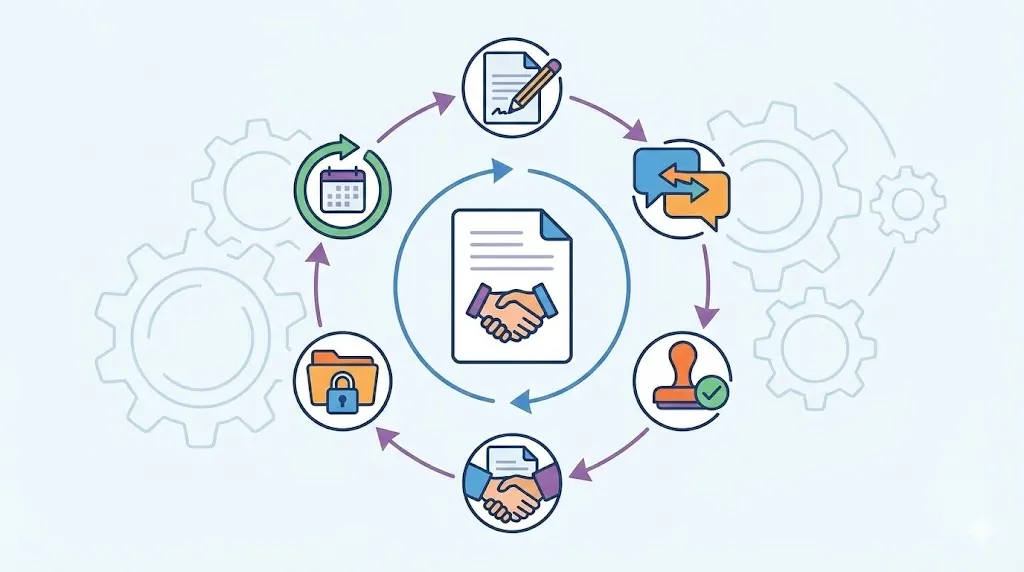
CLM systems offer a centralized, secure repository equipped with encryption and strict access controls. They utilize automated tools for classifying contracts and extracting metadata to flag sensitive documents. Comprehensive libraries of standardized templates ensure uniformity in contract language. Detailed audit logs record every interaction for full compliance tracking. The software sends timely alerts on renewals and obligations to prevent missed deadlines. It supports secure sharing externally, with options for controlled access and automatic expiration. Moreover, access is finely tuned through role-specific permissions to limit visibility where necessary.
These capabilities collectively diminish human error, accelerate contract lifecycles, and safeguard confidential information.
Related Article: How to Prevent Clause Drift in Federal Contracts
Introducing Volody’s CLM Software
Volody’s contract management platform provides legal and business teams with enhanced security measures alongside streamlined workflow capabilities. AI capabilities assist in drafting, reviewing, and summarizing contracts, highlighting potential risks and key provisions. The platform enforces role-based access restrictions, maintains exhaustive audit trails, and automates reminders for renewals. Integration is available with Microsoft Word and major e-signature solutions.
Volody meets enterprise requirements through scalable security and compliance functionalities crafted to maintain the confidentiality of contracts throughout their lifecycle.
Furthermore, Looking for a better way to manage contracts? Discover Volody's CLM Software.
FAQ
What defines a sensitive contract?
A contract is considered sensitive when it contains information that could cause significant harm if disclosed. This includes personal identifiable information, proprietary data, financial records, or information subject to regulatory protection. The sensitivity is determined by the content rather than the contract’s classification.
How do employee mistakes cause contract leaks?
Employees may share drafts via email, store contracts on unsecured drives, or forget to revoke access when leaving. Also, these everyday errors expose sensitive contracts more often than hacking.
Can sensitivity of a contract evolve?
Yes. Incorporating new data during renewals or changes in regulatory requirements can increase the sensitivity level. Consistent evaluation is necessary to address these changes.
What is role-based access control (RBAC)?
RBAC limits user access to contracts according to their assigned roles within the organization.
How do audit trails help contract security?
Therefore, audit trails generate a detailed record of all contract-related activities, enabling detection of unauthorized access or amendments. They are indispensable for compliance verification and investigative processes.
What are the risks of sharing contracts via email?
Email lacks mechanisms to prevent forwarding, downloading, or printing, allowing contracts to spread beyond intended recipients without control or expiration.
How can automated alerts improve contract protection?
Automated notifications keep teams informed about upcoming renewals, expirations, and required approvals. This proactive approach helps avoid lapses and preserves confidentiality.
Consequently, what role does training play in contract security?
Training raises awareness about potential vulnerabilities and reinforces secure contract handling protocols. It mitigates negligent behaviors that could result in data breaches.
How does contract management software reduce risk?
It enforces security policies automatically, centralizes contracts, tracks changes, and controls access. This reduces human error and speeds workflows.
This comprehensive guide equips your organization to protect sensitive contracts effectively. By understanding risks, applying layered controls, and embedding best practices, you reduce exposure and safeguard your business.
About the Company

Volody AI CLM is an Agentic AI-powered Contract Lifecycle Management platform designed to eliminate manual contracting tasks, automate complex workflows, and deliver actionable insights. As a one-stop shop for all contract activities, it covers drafting, collaboration, negotiation, approvals, e-signature, compliance tracking, and renewals. Built with enterprise-grade security and no-code configuration, it meets the needs of the most complex global organizations. Volody AI CLM also includes AI-driven contract review and risk analysis, helping teams detect issues early and optimize terms. Trusted by Fortune 500 companies, high-growth startups, and government entities, it transforms contracts into strategic, data-driven business assets.



" height="216.72211px" id="FYO0bO80Y" transform="translate(3 6.105)" width="206.073px"/><path d="M 108.174 222 C 88.432 222 70.303 217.239 53.785 207.717 C 37.267 198.196 24.173 185.052 14.504 168.285 C 4.835 151.312 0 132.165 0 110.845 C 0 89.731 4.835 70.792 14.504 54.025 C 24.173 37.052 37.267 23.804 53.785 14.282 C 70.303 4.761 88.432 0 108.174 0 C 128.116 0 146.246 4.761 162.562 14.282 C 179.08 23.804 192.073 37.052 201.541 54.025 C 211.21 70.792 216.044 89.731 216.044 110.845 C 216.044 132.165 211.21 151.312 201.541 168.285 C 192.073 185.052 179.08 198.196 162.562 207.717 C 146.044 217.239 127.915 222 108.174 222 Z M 108.174 183.189 C 120.864 183.189 132.044 180.291 141.713 174.495 C 151.382 168.492 158.936 160.006 164.375 149.035 C 169.814 138.064 172.533 125.334 172.533 110.845 C 172.533 96.355 169.814 83.729 164.375 72.965 C 158.936 61.994 151.382 53.611 141.713 47.815 C 132.044 42.02 120.864 39.122 108.174 39.122 C 95.483 39.122 84.202 42.02 74.332 47.815 C 64.663 53.611 57.109 61.994 51.67 72.965 C 46.231 83.729 43.511 96.355 43.511 110.845 C 43.511 125.334 46.231 138.064 51.67 149.035 C 57.109 160.006 64.663 168.492 74.332 174.495 C 84.202 180.291 95.483 183.189 108.174 183.189 Z" fill="rgba(255, 255, 255, 0.12)" height="222px" id="aa1McFcE9" transform="translate(227.183 3)" width="216.04399999999998px"/><path d="M 42.302 182.257 L 111.799 182.257 L 111.799 216.722 L 0 216.722 L 0 0 L 42.302 0 Z" fill="rgba(255, 255, 255, 0.12)" height="216.72211px" id="yRq4AnrsX" transform="translate(477.721 6.105)" width="111.79899999999998px"/><path d="M 108.174 222 C 88.432 222 70.303 217.239 53.785 207.717 C 37.267 198.196 24.173 185.052 14.504 168.285 C 4.835 151.312 0 132.165 0 110.845 C 0 89.731 4.835 70.792 14.504 54.025 C 24.173 37.052 37.267 23.804 53.785 14.282 C 70.303 4.761 88.432 0 108.174 0 C 128.116 0 146.246 4.761 162.562 14.282 C 179.08 23.804 192.073 37.052 201.541 54.025 C 211.21 70.792 216.045 89.731 216.045 110.845 C 216.045 132.165 211.21 151.312 201.541 168.285 C 192.073 185.052 179.08 198.196 162.562 207.717 C 146.044 217.239 127.915 222 108.174 222 Z M 108.174 183.189 C 120.864 183.189 132.044 180.291 141.713 174.495 C 151.382 168.492 158.936 160.006 164.375 149.035 C 169.814 138.064 172.534 125.334 172.534 110.845 C 172.534 96.355 169.814 83.729 164.375 72.965 C 158.936 61.994 151.382 53.611 141.713 47.815 C 132.044 42.02 120.864 39.122 108.174 39.122 C 95.483 39.122 84.202 42.02 74.332 47.815 C 64.663 53.611 57.108 61.994 51.67 72.965 C 46.231 83.729 43.511 96.355 43.511 110.845 C 43.511 125.334 46.231 138.064 51.67 149.035 C 57.108 160.006 64.663 168.492 74.332 174.495 C 84.202 180.291 95.483 183.189 108.174 183.189 Z" fill="rgba(255, 255, 255, 0.12)" height="222px" id="mo8HQspQ0" transform="translate(609.155 3)" width="216.04500000000007px"/><path d="M 73.727 0 C 95.885 0 115.324 4.45 132.044 13.351 C 148.967 22.252 161.957 34.982 171.027 51.541 C 180.287 67.894 184.917 86.937 184.917 108.671 C 184.917 130.405 180.287 149.449 171.027 165.801 C 161.957 181.947 148.967 194.47 132.044 203.371 C 115.324 212.271 95.885 216.722 73.727 216.722 L 0 216.722 L 0 0 Z M 72.216 179.773 C 94.374 179.773 111.497 173.564 123.583 161.144 C 135.669 148.724 141.713 131.233 141.713 108.671 C 141.713 86.109 135.669 68.515 123.583 55.888 C 111.497 43.055 94.374 36.638 72.216 36.638 L 42.302 36.638 L 42.302 179.773 Z" fill="rgba(255, 255, 255, 0.12)" height="216.72211px" id="I3iXX5Hi_" transform="translate(859.693 6.105)" width="184.91699999999992px"/><path d="M 185.22 0 L 113.91 141.273 L 113.91 216.722 L 71.61 216.722 L 71.61 141.273 L 0 0 L 47.74 0 L 93.06 99.046 L 138.08 0 Z" fill="rgba(255, 255, 255, 0.12)" height="216.72211px" id="nzHyWC0_d" transform="translate(1061.78 6.105)" width="185.22000000000003px"/></svg>)