

Contracts often include indemnity clauses, but many are too vague to protect your business when risks turn into real problems. Clear indemnity language can prevent costly disputes by defining who pays for what and when. Imagine a vendor’s error leads to a lawsuit against your company. Without a solid indemnity clause, you might face unexpected legal bills or damages. This article breaks down how to draft effective indemnity clauses that stand up in court and keep risks where they belong.
TL;DR
Indemnity clauses specify which party bears financial responsibility for losses arising from defined risks or third-party claims.
Additionally, clear and precise drafting minimizes disputes and facilitates more efficient claim resolution.
Careful definition of triggering events is crucial to prevent generating overly broad or indefinite obligations.
Differentiating between defending against claims, which involves managing legal defense, and indemnifying, which pertains to payment of final costs, is essential.
Indemnity provisions must be consistent with liability caps and insurance requirements to prevent contractual conflicts.
Implementing contract management tools helps standardize indemnity clauses and mitigates concealed risks.
Related Article: Audit Rights Clause: Best Practices for 2026
What Is an Indemnity Clause and Why Does It Matter?
An indemnity clause is a contract section where one party agrees to cover losses or damages suffered by the other under certain conditions. This shifts financial risk from the party receiving protection (indemnified) to the party accepting responsibility (indemnifying). The clause often focuses on third-party claims, such as lawsuits from customers or regulators, that arise due to one party’s actions or failures.
For example, if a supplier delivers defective parts that cause injury, the indemnity clause can require the supplier to cover the buyer’s legal costs and damages. Without this clause, the buyer might have to pay out of pocket or fight a costly legal battle to recover losses.
Indemnity clauses matter because they clarify who shoulders financial risks before problems occur. This clarity reduces costly disputes and helps companies manage their exposure to lawsuits, regulatory fines, or contract breaches. According to the 2026 Contracting Benchmark Report, companies lose about 11% of contract value post-signature due to unclear risk allocation and contract mismanagement. Indemnity clauses, when done right, help protect that value.
Related articles: What is Contract Termination? Key Concepts Explained in 2026
How Does Indemnity Differ from Other Contract Protections?
Indemnity is often confused with related concepts such as warranties, guarantees, or contractual liability limits. Here’s how indemnity stands apart:
Indemnity requires one party to compensate the other for losses caused by specific events or claims. It covers actual financial damages and sometimes legal defense costs.
Warranties promise that certain facts or conditions are true, and breach may lead to damages but not necessarily indemnity.
Limitation of liability establishes a maximum exposure for a party’s responsibility but does not determine which party initially bears the payment obligation.
Insurance requirements mandate that a party carry insurance but don’t replace indemnity obligations.
Indemnity clauses directly assign financial responsibility and often require the indemnifying party to manage claims and defense costs. This makes indemnity a powerful tool for risk management.
Related articles: How Contract Management Improves Insurance Claims
What Makes an Indemnity Clause Effective?
Many indemnity clauses fail because they are too vague or inconsistent with other contract terms. An effective indemnity clause should have these qualities:
1. Clear Scope and Triggers
Specify exactly what events trigger indemnity. Avoid catch-all phrases like “any and all claims.” Instead, name precise causes such as “claims arising from product defects” or “claims caused by breach of confidentiality.” Precise triggers limit exposure and reduce disputes.
2. Defined Parties and Roles
Clearly identify who indemnifies whom. Use consistent terms like “Indemnifying Party” and “Indemnified Party.” This avoids confusion about responsibilities.
3. Duty to Defend vs. Duty to Indemnify
Distinguish between defending, which involves immediate payment for and management of legal defense, and indemnifying, which pertains to reimbursement of final costs. The obligation to defend typically requires the indemnifying party’s prompt intervention and is broader in scope. Specify which duties apply to avoid misunderstandings.
4. Limitations and Exclusions
Include reasonable limits such as caps on indemnity amounts or carve-outs for certain types of damages. Exclude indemnity for losses caused by the indemnified party’s gross negligence or willful misconduct. Courts may refuse to enforce overly broad indemnities.
5. Consistency with Other Contract Sections
Ensure indemnity provisions correspond with liability caps, insurance requirements, and warranty clauses. Lack of alignment among these elements can render indemnity clauses unenforceable or create unintended gaps.
6. Governing Law and Jurisdiction
Specify the state or country law governing the indemnity clause. Because jurisdictions interpret indemnity provisions differently, clarifying this at the outset is crucial.
Related articles: 20 Key Contract Clauses Every Business Should Know in 2026
Common Types of Indemnity Clauses and When to Use Them
Indemnity clauses vary based on deal type, risk profile, and bargaining power. The principal categories include several distinct formats:
One-Way Indemnity
Typically, one party assumes the obligation to indemnify the other against all covered losses. This arrangement frequently arises in scenarios where one party wields greater bargaining leverage, for example, a dominant buyer insisting upon supplier indemnification.
Mutual Indemnity
Indemnity obligations are reciprocal, with each party assuming responsibility for losses stemming from their own actions or breaches. This approach distributes risk equitably but demands precise drafting to prevent overlap or gaps.
Limited Indemnity
These provisions confine indemnity to specific risks or cap the financial exposure involved. Narrowing the indemnity scope enables parties to manage their liability exposure while still protecting against key risks.
Third-Party Indemnity
Liabilities connected to claims initiated by external entities—such as customers or regulatory authorities—constitute the focus of this clause, which often forms a pivotal part of commercial agreements.
Related articles: Top 10 Negotiated Clauses You Should be Aware Of
How to Define Indemnity Scope and Triggers in Detail
Drafting precise indemnity scope requires understanding the risks your business faces and how claims typically arise. Follow these steps:
Identify Key Risks
Review your contract and business operations. What risks could lead to losses or lawsuits? Examples include intellectual property infringement, product defects, data breaches, or regulatory violations.
Specify Covered Claims
Use clear language to list covered claims. For example, “Indemnifying Party shall indemnify Indemnified Party against all claims by third parties arising from bodily injury caused by defective products supplied.”
Use Precise Causation Language
Terms such as “caused by,” “resulting from,” or “originating in” carry distinct legal implications. “Caused by” generally confines indemnity to direct causes, whereas “arising from” encompasses a wider scope. Choose carefully to control exposure.
Address Third-Party Claims Specifically
Most indemnity provisions concentrate on claims initiated by external parties. Make sure your clause explicitly covers these, as internal disputes are usually handled differently.
Include Notice and Cooperation Requirements
Require the indemnified party to notify the indemnifying party promptly of claims and cooperate in defense. This helps manage costs and control litigation.
Example of a Clear Indemnity Trigger
"Supplier agrees to indemnify Buyer against any claims, losses, or damages from third parties directly caused by Supplier’s breach of warranty or negligence in manufacturing the products."
This sentence clearly defines who indemnifies whom, the type of claims covered, and the causation standard.
Related articles: Breach of Contract: Master How to Resolve Legal Disputes
What Limitations and Exclusions Strengthen Indemnity Clauses?
Indemnity clauses without limits can expose your business to unlimited liability. Additionally, courts frequently invalidate clauses deemed excessively broad or fundamentally unfair. Consider these common limitations:
Monetary Caps
Limit indemnity to a fixed dollar amount or a percentage of contract value. This controls financial risk.
Time Limits
Indemnity claims are barred after a specified duration, for example, two years following contract termination.
Exclusions for Gross Negligence or Willful Misconduct
Indemnification does not extend to losses resulting from intentional wrongdoing or reckless conduct.
Exclusions for Consequential Damages
Indemnity typically excludes indirect losses, such as lost profits, unless the contract explicitly includes them.
Insurance Requirements
This obligates the indemnitor to maintain insurance policies that cover the specified indemnity exposures.
These limitations make indemnity clauses more enforceable and balanced.
Related articles: Contract Clause Library: Your Comprehensive Guide
How Do Indemnity Clauses Vary by Contract Type?
Different contracts demand different indemnity approaches. Here are examples:
Supply Agreements
These clauses typically address liabilities arising from defective products, breaches of proprietary rights, as well as adherence to regulatory safety standards. They protect the purchaser from financial exposure linked to supplier-originated damages or product recalls.
Service Contracts
Address claims arising from negligence, mistakes, or breaches of confidentiality. Indemnity provisions allocate the risk of service-related failures to the provider.
Software Licenses
These provisions prioritize defense against third-party infringement claims and liabilities connected to cybersecurity breaches. The indemnity terms serve to insulate licensees from disputes over proprietary technology and the fallout from compromised data security.
Construction Contracts
Provisions here encompass damages to property and personal injuries, while also ensuring fulfillment of statutory requirements. Often, these contracts include mutual indemnification clauses to reflect the interconnected risks present in construction projects.
Each contract type requires a tailored indemnity clause that corresponds precisely to its unique risk considerations.
Related articles: Dispute Resolution Clause: How to Draft a Strong One
5 Challenges in Managing Indemnity Clauses at Scale
As organizations handle more contracts, managing indemnity clauses consistently becomes harder. Common challenges include:
Inconsistent Language
Different teams or vendors use varied indemnity terms, creating uneven risk exposure.
Conflicts with Other Contract Terms
Indemnity clauses may contradict liability caps or insurance sections, weakening protections.
Lack of Standard Clauses
The absence of a centralized library of standardized templates often prolongs negotiations and amplifies the organization’s risk exposure.
Difficulty Tracking Obligations
The complexity inherent in monitoring indemnity triggers, limits, and claims across a large portfolio of contracts presents a significant management challenge.
Manual Review Bottlenecks
Legal teams face considerable hurdles in maintaining both speed and accuracy when reviewing indemnity clauses at scale.
Addressing these challenges requires clear policies, standard clause libraries, and technology support.
Related articles: Customized AI Powers End-to-End CLM for Legal Teams
Why Contract Management Software Matters for Indemnity Clauses
Managing indemnity clauses manually invites errors and inconsistency. Contract lifecycle management (CLM) software helps by:
Centralizing contract storage for easy access and audit trails.
Standardizing indemnity clause templates and fallback options.
Using AI to flag risky or inconsistent indemnity language automatically.
Tracking indemnity obligations, triggers, and claims deadlines.
Automating approval workflows to enforce legal policies.
These features reduce risk and speed up contract review and negotiation.
Managing complex legal workflows requires a centralized and intelligent solution. For a practical demonstration of how contract management software streamlines these processes, consider exploring Volody's CLM Software.
FAQ
How does indemnity differ from insurance?
Indemnity is a contractual promise to cover losses, while insurance is a financial product that pays claims. Indemnity clauses often require parties to maintain insurance but do not replace it.
Can indemnity clauses apply to internal disputes between the contracting parties?
Typically, indemnity clauses focus on third-party claims. Internal disputes are usually handled through other contract provisions like warranties or damages clauses.
In what manner do courts interpret vague indemnity language?
Furthermore, courts often construe vague indemnity clauses narrowly, limiting them to clear and specific obligations. Broad or ambiguous language risks unenforceability.
What obligations does a duty to defend impose within an indemnity clause?
The duty to defend requires the indemnitor to manage and finance legal defense costs immediately upon a claim’s emergence, even prior to any determination of liability.
The indemnitor must manage and finance legal defense costs immediately upon a claim’s emergence, even prior to any determination of liability.
Is it advisable to include caps on liability in indemnity clauses?
Yes, including caps limits financial exposure and makes clauses more balanced and enforceable. Also, caps should reflect the deal’s size and risk.
Also, how do indemnity clauses interact with limitation of liability provisions?
They must be harmonized carefully. When damages are capped by a limitation of liability, indemnity obligations should not surpass that ceiling unless explicitly authorized.
When damages are capped, indemnity obligations should not exceed that ceiling unless explicitly authorized.
Are mutual indemnity clauses inherently equitable?
Mutual indemnity balances risk but can create gaps or overlaps if not drafted carefully. Indemnification should be confined to each party’s own acts or breaches.
Therefore, what consequences arise if indemnity clauses conflict with insurance requirements?
Conflicts between indemnity provisions and insurance policies can invalidate indemnity obligations or create exploitable legal gaps. Aligning these clauses is critical to ensure that insurance adequately underpins indemnity commitments.
Do indemnity clauses have variable enforceability across jurisdictions?
Yes. Different states or countries have distinct rules on indemnity scope and enforceability. Always specify governing law and tailor clauses accordingly.
How does technology enhance the management of indemnity clauses?
Advanced contract management systems leverage AI to automate reviews, identify risky provisions, enforce compliance standards, and monitor obligations, thereby mitigating errors and legal exposure.
This comprehensive guide equips legal and operations leaders to draft indemnity clauses that protect their organizations. Clear language, aligned terms, and smart management reduce costly disputes and keep contracts working for you.
About the Company

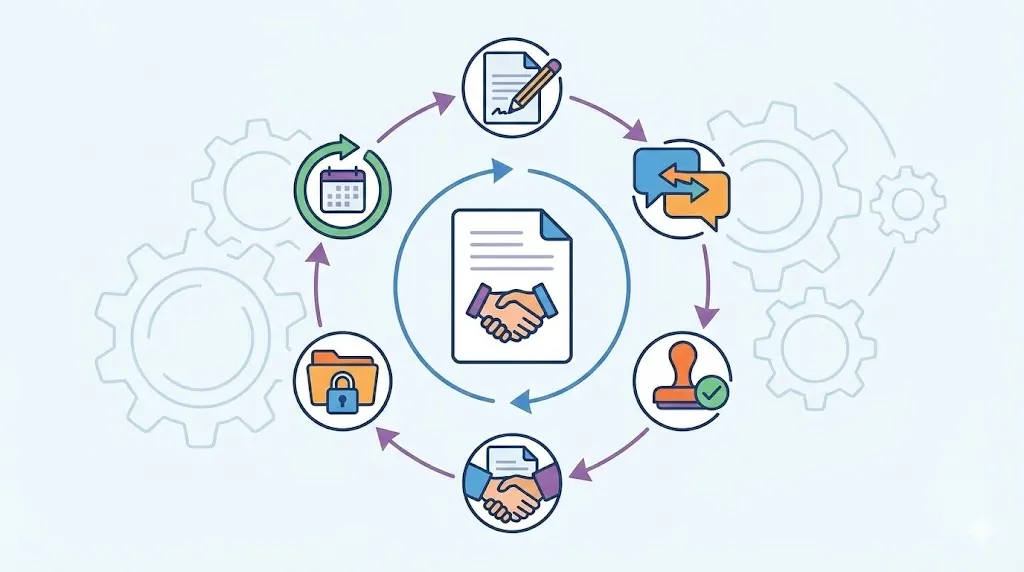
Volody AI CLM is an Agentic AI-powered Contract Lifecycle Management platform designed to eliminate manual contracting tasks, automate complex workflows, and deliver actionable insights. As a one-stop shop for all contract activities, it covers drafting, collaboration, negotiation, approvals, e-signature, compliance tracking, and renewals. Built with enterprise-grade security and no-code configuration, it meets the needs of the most complex global organizations. Volody AI CLM also includes AI-driven contract review and risk analysis, helping teams detect issues early and optimize terms. Trusted by Fortune 500 companies, high-growth startups, and government entities, it transforms contracts into strategic, data-driven business assets.





" height="216.72211px" id="FYO0bO80Y" transform="translate(3 6.105)" width="206.073px"/><path d="M 108.174 222 C 88.432 222 70.303 217.239 53.785 207.717 C 37.267 198.196 24.173 185.052 14.504 168.285 C 4.835 151.312 0 132.165 0 110.845 C 0 89.731 4.835 70.792 14.504 54.025 C 24.173 37.052 37.267 23.804 53.785 14.282 C 70.303 4.761 88.432 0 108.174 0 C 128.116 0 146.246 4.761 162.562 14.282 C 179.08 23.804 192.073 37.052 201.541 54.025 C 211.21 70.792 216.044 89.731 216.044 110.845 C 216.044 132.165 211.21 151.312 201.541 168.285 C 192.073 185.052 179.08 198.196 162.562 207.717 C 146.044 217.239 127.915 222 108.174 222 Z M 108.174 183.189 C 120.864 183.189 132.044 180.291 141.713 174.495 C 151.382 168.492 158.936 160.006 164.375 149.035 C 169.814 138.064 172.533 125.334 172.533 110.845 C 172.533 96.355 169.814 83.729 164.375 72.965 C 158.936 61.994 151.382 53.611 141.713 47.815 C 132.044 42.02 120.864 39.122 108.174 39.122 C 95.483 39.122 84.202 42.02 74.332 47.815 C 64.663 53.611 57.109 61.994 51.67 72.965 C 46.231 83.729 43.511 96.355 43.511 110.845 C 43.511 125.334 46.231 138.064 51.67 149.035 C 57.109 160.006 64.663 168.492 74.332 174.495 C 84.202 180.291 95.483 183.189 108.174 183.189 Z" fill="rgba(255, 255, 255, 0.12)" height="222px" id="aa1McFcE9" transform="translate(227.183 3)" width="216.04399999999998px"/><path d="M 42.302 182.257 L 111.799 182.257 L 111.799 216.722 L 0 216.722 L 0 0 L 42.302 0 Z" fill="rgba(255, 255, 255, 0.12)" height="216.72211px" id="yRq4AnrsX" transform="translate(477.721 6.105)" width="111.79899999999998px"/><path d="M 108.174 222 C 88.432 222 70.303 217.239 53.785 207.717 C 37.267 198.196 24.173 185.052 14.504 168.285 C 4.835 151.312 0 132.165 0 110.845 C 0 89.731 4.835 70.792 14.504 54.025 C 24.173 37.052 37.267 23.804 53.785 14.282 C 70.303 4.761 88.432 0 108.174 0 C 128.116 0 146.246 4.761 162.562 14.282 C 179.08 23.804 192.073 37.052 201.541 54.025 C 211.21 70.792 216.045 89.731 216.045 110.845 C 216.045 132.165 211.21 151.312 201.541 168.285 C 192.073 185.052 179.08 198.196 162.562 207.717 C 146.044 217.239 127.915 222 108.174 222 Z M 108.174 183.189 C 120.864 183.189 132.044 180.291 141.713 174.495 C 151.382 168.492 158.936 160.006 164.375 149.035 C 169.814 138.064 172.534 125.334 172.534 110.845 C 172.534 96.355 169.814 83.729 164.375 72.965 C 158.936 61.994 151.382 53.611 141.713 47.815 C 132.044 42.02 120.864 39.122 108.174 39.122 C 95.483 39.122 84.202 42.02 74.332 47.815 C 64.663 53.611 57.108 61.994 51.67 72.965 C 46.231 83.729 43.511 96.355 43.511 110.845 C 43.511 125.334 46.231 138.064 51.67 149.035 C 57.108 160.006 64.663 168.492 74.332 174.495 C 84.202 180.291 95.483 183.189 108.174 183.189 Z" fill="rgba(255, 255, 255, 0.12)" height="222px" id="mo8HQspQ0" transform="translate(609.155 3)" width="216.04500000000007px"/><path d="M 73.727 0 C 95.885 0 115.324 4.45 132.044 13.351 C 148.967 22.252 161.957 34.982 171.027 51.541 C 180.287 67.894 184.917 86.937 184.917 108.671 C 184.917 130.405 180.287 149.449 171.027 165.801 C 161.957 181.947 148.967 194.47 132.044 203.371 C 115.324 212.271 95.885 216.722 73.727 216.722 L 0 216.722 L 0 0 Z M 72.216 179.773 C 94.374 179.773 111.497 173.564 123.583 161.144 C 135.669 148.724 141.713 131.233 141.713 108.671 C 141.713 86.109 135.669 68.515 123.583 55.888 C 111.497 43.055 94.374 36.638 72.216 36.638 L 42.302 36.638 L 42.302 179.773 Z" fill="rgba(255, 255, 255, 0.12)" height="216.72211px" id="I3iXX5Hi_" transform="translate(859.693 6.105)" width="184.91699999999992px"/><path d="M 185.22 0 L 113.91 141.273 L 113.91 216.722 L 71.61 216.722 L 71.61 141.273 L 0 0 L 47.74 0 L 93.06 99.046 L 138.08 0 Z" fill="rgba(255, 255, 255, 0.12)" height="216.72211px" id="nzHyWC0_d" transform="translate(1061.78 6.105)" width="185.22000000000003px"/></svg>)