
Fallback clauses are essential to disciplined negotiation. They define approved compromises, escalation points, and walkaway limits, enabling teams to protect business priorities without slowing progress. AI-powered playbooks make these decisions easier to identify, apply, and govern while flagging language that crosses established risk boundaries.
TL;DR
Define preferred, acceptable, and final positions before Contract Negotiation starts.
Use AI to turn past agreements and redlines into approved fallback clause options.
Compare counterparty language with playbook thresholds, missing terms, and risk levels.
Add deal context before AI recommends a fallback clause or redline.
Require human review for unusual risks, sensitive data, and terms below approval limits.
Track outcomes, overrides, and escalations to improve fallback rules over time.
Build a Clear Hierarchy of Negotiation Positions
Preferred terms and business objectives
Preferred terms show the result your business wants most. They set the opening position for each important clause.
For price, the preferred term may require annual increases below a set limit. For liability, it may seek a broad cap with narrow exclusions. For termination, it may require notice without extra fees.
These terms should reflect business goals, not legal habits alone. A sales team may value a fast exit. A procurement team may seek price stability. Legal teams may focus on risk transfer.
Each preferred clause needs a short business reason. That reason helps reviewers defend the position during Contract Negotiation.
AI can connect a proposed clause with the right playbook entry. It can also identify similar language under different headings. For example, “limitation of damages” and “liability cap” may address the same issue.
A clear opening position also improves later choices. Teams can see what they gave up and what protection remains.
Acceptable alternatives and final boundaries
Acceptable alternatives are approved tradeoffs. They let negotiators move without seeking fresh approval each time.
For example, a supplier may reject unlimited liability. An acceptable fallback may allow a cap tied to fees paid during twelve months. A higher cap may apply to data misuse or confidentiality breaches.
The final fallback marks the lowest position the business can accept. It must include a clear boundary and approval owner. It should also state when the team must stop negotiating.
Every fallback clause needs four simple details:
The risk it accepts.
The business benefit it protects.
The person who can approve it.
The point that triggers escalation or a walkaway.
These details prevent silent drift during long negotiations. They also help AI assess whether a proposed term fits the approved range.
A final fallback should not become a routine compromise. Teams should treat it as an exception or last resort. If negotiators use it often, the playbook may need review.
5 AI Playbook Tricks for Better Fallback Clauses
Convert historical negotiations into clause intelligence
AI can review signed agreements, redline histories, and negotiation results. It can find language that teams accepted in real deals.
This process turns past work into clause intelligence. Clause intelligence means useful patterns drawn from contract text and decisions.
AI can group similar provisions across different templates. It can map unfamiliar wording to the right playbook entry. It can also separate accepted language from rejected proposals.
A past agreement does not always equal current policy. Teams must mark historical language as precedent, not automatic approval.
Still, history can reveal practical options. It may show that customers accept a shorter cure period when fees fall. It may show that suppliers accept higher liability for sensitive data.
Sirion reports that structured AI playbooks reduced redline cycles by up to 60%. This result reflects an implementation, not a universal promise.
Assess proposed language against approved thresholds
AI can compare counterparty wording with preferred, acceptable, and final positions. It can flag language that falls outside each approved range.
It can also find missing provisions. A draft may contain a liability cap but omit exclusions for confidentiality breaches. Another draft may include renewal terms without a notice deadline.
Risk tiers make these findings easier to act on. Low-risk changes may need simple review. Medium-risk changes may need business approval. High-risk changes may require senior legal review.
AI can mark the exact words that cause a deviation. It can then explain the likely effect in plain language. This gives reviewers a faster starting point.
The system should not treat every deviation as equal. A small wording change may preserve the same protection. A short phrase may also create a major liability shift.
Generate approved alternatives and trigger based language
AI can recommend approved fallback clause language for common disputes. These disputes often involve price, payment, liability, indemnity, renewal, and termination.
A strong fallback clause states what happens after a clear trigger. The trigger may involve late payment, service failure, a security event, or a change in law.
The clause should then state notice rules. It should explain the cure period and the available remedy. It should also state what happens if the party fails to cure.
For example, a service failure may trigger written notice. The supplier may receive ten business days to fix the issue. Continued failure may allow a fee credit or termination.
AI can draft this structure from an approved clause library. It should not invent a remedy without a defined business rule. Reviewers must check that each trigger fits the deal.
Apply deal context to fallback recommendations
The same fallback clause may not suit every transaction. AI should assess the wider deal context before making a recommendation.
Useful signals include deal value, counterparty type, region, urgency, and data sensitivity. The system may also consider business unit rules and risk tier.
A low-value renewal may use a standard payment fallback. A large data deal may require stronger liability and audit terms. A public sector deal may need regional language review.
The decision path should remain clear. First, AI detects the clause. Next, it assesses the current position. Then, it recommends an approved alternative.
A reviewer should see the reasons behind that recommendation. The screen should show the source clause, selected fallback, risk level, and approval rule.
Context should narrow choices, not weaken governance. If the data is sensitive, the system should increase review. If the term falls below the final boundary, it should stop automatic approval.
Key Challenges When Applying Fallback Clauses
Define acceptable risk with measurable limits
Teams often interpret the same fallback in different ways. This happens when the playbook lacks clear limits or examples.
A phrase such as “reasonable liability cap” gives little useful guidance. A better rule may tie the cap to fees paid during a stated period.
The rule should also identify exceptions. Data loss, fraud, and intentional misconduct may sit outside the general cap.
Risk tiers help teams apply rules with more consistency. Low-risk items may use standard alternatives. High-risk items may require senior approval.
Each tier should include examples. Examples show how the rule works in real contracts. They also expose unclear terms before negotiations begin.
A fallback clause without a reason can create debate. A fallback clause with a measurable limit supports faster decisions.
Manage incomplete or outdated historical data
AI recommendations depend on the data it reviews. Old contracts may reflect past policy, unusual pressure, or one-time business needs.
Drafting quality may also vary across agreements. Some records lack key dates, clause names, or approval notes. These gaps can distort the suggested fallback.
Teams should separate current policy from historical precedent. Current policy states what people may use now. Historical precedent shows what people accepted before.
The playbook should mark each source clearly. It should include an owner, approval date, and review date. Obsolete language should not appear beside current approved text without warning.
Metadata also matters. Metadata means structured facts about a contract, such as region or deal type. AI uses these facts to compare similar agreements correctly.
Compare regional and counterparty requirements
A fallback clause may work in one region but fail in another. Local law can affect notice, payment, liability, and termination rights.
Market practice also changes by counterparty type. A large enterprise may demand broad indemnity. A small vendor may lack the resources to accept it.
Negotiation style can shape the best response as well. Some parties trade price for term length. Others focus on liability or service credits.
Regional playbooks can address these differences. They should still use a common structure. That structure can include preferred, acceptable, and final positions.
Jurisdictional validation is needed when local rules are unclear. AI can highlight the issue, but qualified legal counsel should confirm the result.
Control reliance on automated recommendations
AI should support legal judgment. It should not replace the person responsible for the final decision.
Human review is essential for unusual clause combinations. It also matters for sensitive data, novel risks, and material exceptions.
Reviewers should question recommendations that lack a close approved match. They should also review any term below the acceptable position.
The playbook should define escalation triggers in advance. This prevents users from treating AI output as automatic approval.
A good system records reviewer action and the reason. That record supports accountability. It also improves later playbook updates.
Best Practices for Designing Reliable Fallback Logic
Connect each fallback to a business rationale
Every fallback should answer a simple question: why does this option exist?
The answer may involve revenue, service continuity, data protection, or negotiation speed. Keep the explanation short enough for daily use.
A liability fallback might protect margin while keeping key customers. A payment fallback might trade a longer term for an early payment fee.
The rationale should state the accepted risk. It should also explain when the option must not be used.
Document assumptions beside the clause. These may include deal value, service type, region, or data access.
Prohibited uses deserve equal attention. A payment fallback for standard services may not suit regulated data work.
Clear reasoning helps reviewers move faster. It also gives AI better signals for selecting the right alternative.
Define approval paths and escalation triggers
Each position should name its approval owner. That owner may be legal, procurement, finance, or a business leader.
Approval levels should match risk. A low-risk payment change may need business approval. A high-risk indemnity change may need senior counsel.
The playbook should also define automatic stop points. These may include uncapped liability, broad data rights, or termination without a cure period.
Deal context can change the approval path. A high-value agreement may need extra review. A sensitive region may require local counsel.
Automated reminders can prevent stalled approvals. The system should show who must act and what decision remains open.
This structure keeps speed and control together. Negotiators can use approved options while unusual issues receive proper attention.
Use AI to Monitor Clause Deviations in Real Time
Match counterparty language to playbook standards
AI can compare incoming language with approved standards during review. It can match clauses even when headings and formats differ.
A counterparty may place payment terms inside a commercial schedule. Another may place them inside a general terms section. AI can still identify the relevant provision.
The tool can highlight changes against the preferred clause. It can then compare the change with acceptable and final positions.
This directs attention toward material issues. Reviewers do not need to scan every sentence with equal focus.
Good clause matching also reduces missed provisions. It can find missing audit rights, renewal notices, or data restrictions.
The reviewer should see the matched playbook entry. That view supports a faster and more consistent response.
Separate cosmetic edits from material changes
Not every redline changes legal meaning. Some edits improve style, grammar, or defined terms.
AI can help separate cosmetic edits from material changes. It can assess shifts in liability, indemnity, data use, payment, and termination rights.
For example, changing “must” to “shall” may not alter the duty. Removing “direct” from a damages exclusion may create a major shift.
Materiality helps reviewers set priorities. Low-impact edits can follow a lighter path. High-impact edits should receive deeper review.
Risk tiers make this process clearer. A change that affects customer data should not follow the same path as a formatting change.
Human review remains useful for linked edits. Several small changes can combine into a larger risk.
Preserve the decision trail from detection to resolution
The system should record the original clause and detected issue. It should also record the suggested fallback and its source.
Reviewers should capture the decision and approval reason. The record should show any escalation and the final negotiated language.
This trail supports accountability. It shows who approved the change and why the decision fit policy.
It also helps future negotiations. Teams can see which recommendation worked. They can compare it with later outcomes.
A complete trail can include dates, users, risk levels, and clause versions. Access should remain limited to authorized users.
The result is more than an audit record. It becomes useful training data for future playbook improvements.
Measure Which Fallbacks Move Deals Forward
Track friction by clause family
Negotiation friction often gathers around a few clause families. Liability, indemnity, payment, renewal, and termination commonly need close review.
Teams can track repeated redlines by family. They can also track dispute rates and review time.
High friction may show a weak fallback. It may also show a real business disagreement. Teams should examine the reason before changing language.
A clause with many edits may still protect the right outcome. Another clause may create delay without adding useful protection.
Reviewers should record the source of friction. Useful labels include unclear wording, low business value, legal risk, and counterparty policy.
These labels help teams fix the right problem. They prevent the playbook from changing based on surface activity alone.
Compare acceptance, revision, and escalation outcomes
Teams should compare what happens after each fallback recommendation. Some alternatives may be accepted without escalation.
Others may produce another redline. Some may reach the final fallback or trigger a walkaway decision.
These outcomes show whether the fallback is realistic. A position that always fails may need a better tradeoff.
A position that wins quickly may deserve wider use. It may also reveal a safe way to protect the business.
The team should review outcomes with the original rationale. A fast agreement is not useful if it creates hidden risk.
This balance keeps speed and protection aligned. It also gives legal teams stronger evidence for playbook changes.
Segment results by deal context
Aggregate results can hide important differences. A fallback may work well for small renewals but fail in major new deals.
Teams should compare results by contract value and region. They should also review counterparty type and business unit.
Negotiation complexity can change the result. A simple order form differs from a global services agreement.
Risk tier also matters. High-risk fallback positions may require more review by design.
Segmentation shows where a rule works. It also shows where a regional or deal-specific version may help.
AI can apply these patterns during future recommendations. It should still show the factors that shaped its choice.
Feed intervention data back into the playbook
Reviewer overrides contain useful information. They show where the playbook does not fit real negotiations.
Escalation patterns can reveal unclear approval rules. Adoption metrics can show which alternatives teams trust.
Final outcomes add another layer. They show whether the approved language survived negotiation and supported signature.
Teams can retire weak alternatives. They can also add new positions that appear often in successful deals.
Updates should follow change approval rules. Users should not edit live playbook terms without review.
This creates a learning loop. Negotiation data improves the playbook, while governance protects current policy.
Govern AI Generated Playbooks Across the Organization
Assign ownership and control approved versions
Each fallback library needs a clear owner. Legal may own risk rules. Procurement or sales operations may own business terms.
Contract management teams can manage version control and access. Business leaders can approve changes tied to commercial goals.
Every clause should include an effective date. It should also show the next review date and current approval status.
Version history prevents users from relying on obsolete language. It also shows what changed between approved versions.
Access controls should match role and matter. Not every user should view sensitive pricing or negotiation records.
Change approvals must be recorded. This keeps the library reliable across business units and regions.
Protect sensitive data and preserve human accountability
Playbooks may contain sensitive terms and negotiation history. Access should follow role, business unit, matter, and risk level.
AI systems also need clear data handling rules. Teams should know where contract text is stored and who can process it.
Audit logs should capture searches, recommendations, approvals, and overrides. These records help explain later decisions.
Exception logs matter as well. They show when users moved outside the standard playbook.
Scheduled reviews can test both content and controls. Legal and business owners should confirm that approved language remains current.
Human accountability must remain clear. The final decision belongs to an authorized person, not the AI system.
Why Contract Management Software Matters
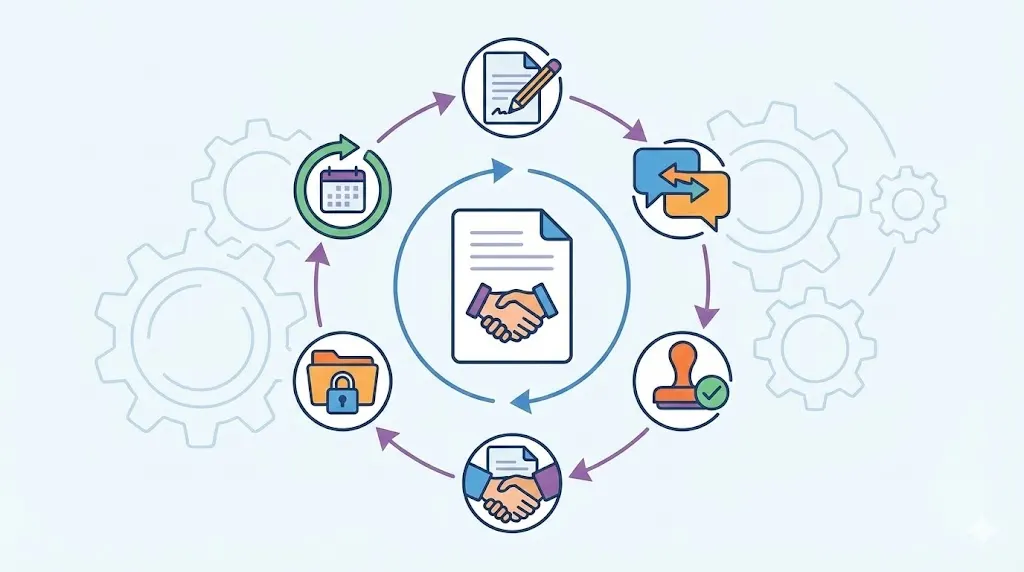
Contract management software gives teams one controlled place for fallback clauses and approval rules. It can connect AI review with redlines, workflows, audit trails, and negotiation reports.
Volody's CLM Software supports AI Contract Review, AI Clause Recommendations, and Approval Workflow Automation. It can flag risky language, suggest approved alternatives, and route exceptions to the right reviewer. Teams can also keep playbook content and contract records in a secure central repository.
For example, a reviewer could compare a liability clause with approved positions. Volody could suggest a fallback, show the risk, and request senior approval.
Store approved fallback clauses beside current policy and version history.
Flag missing provisions and material changes during contract review.
Route high-risk deviations through defined approval workflows.
Record decisions, overrides, and final negotiated language for later analysis.
Ready to strengthen negotiation control and accelerate contract review? Explore Volody's CLM Software and equip your team with governed, AI-powered fallback workflows.
FAQ
How do fallback clause libraries reduce repetitive redline cycles?
Fallback clause libraries give negotiators approved alternatives for common disputes. They avoid fresh drafting for every price, payment, or liability issue. AI can match counterparty language with the right clause family and suggest a suitable response. Reviewers still control exceptions, while routine changes move through a faster path.
How should preferred, acceptable, and final fallback positions be structured?
The preferred position states the ideal business and legal outcome. The acceptable position gives a pre-approved compromise with a clear risk reason. The final fallback marks the lowest tolerable position and names its approval owner. It should also state when the team must escalate or walk away.
How can AI select an approved fallback clause that fits the deal context?
AI can detect the relevant clause and compare it with playbook thresholds. It can find missing terms and flag language outside approved limits. The system can then consider deal value, region, counterparty type, urgency, and data sensitivity. An authorized reviewer should validate the recommendation before use.
When should AI fallback recommendations be escalated for human review?
Escalation should happen for high-risk terms, unusual clause combinations, and sensitive data. It should also happen when the language falls below the acceptable position. Unclear local law requires qualified legal review as well. The playbook should name the person who resolves each exception.
How can negotiation history improve a fallback clause playbook?
Teams can review accepted language, rejected proposals, overrides, and escalation patterns. They can also track time to signature and final negotiated terms. These results show which alternatives reduce friction and which create new disputes. Historical evidence should guide updates, but current policy must remain separate.
How should companies protect fallback clause playbook data?
Companies should limit access by role, matter, business unit, and risk level. They should keep version records, audit logs, and clear data handling rules. Sensitive negotiation records should not receive broad reuse without permission. Human owners should review access and content on a scheduled basis.
About the Company

Volody AI CLM is an Agentic AI-powered Contract Lifecycle Management platform designed to eliminate manual contracting tasks, automate complex workflows, and deliver actionable insights. As a one-stop shop for all contract activities, it covers drafting, collaboration, negotiation, approvals, e-signature, compliance tracking, and renewals. Built with enterprise-grade security and no-code configuration, it meets the needs of the most complex global organizations. Volody AI CLM also includes AI-driven contract review and risk analysis, helping teams detect issues early and optimize terms. Trusted by Fortune 500 companies, high-growth startups, and government entities, it transforms contracts into strategic, data-driven business assets.




" height="216.72211px" id="FYO0bO80Y" transform="translate(3 6.105)" width="206.073px"/><path d="M 108.174 222 C 88.432 222 70.303 217.239 53.785 207.717 C 37.267 198.196 24.173 185.052 14.504 168.285 C 4.835 151.312 0 132.165 0 110.845 C 0 89.731 4.835 70.792 14.504 54.025 C 24.173 37.052 37.267 23.804 53.785 14.282 C 70.303 4.761 88.432 0 108.174 0 C 128.116 0 146.246 4.761 162.562 14.282 C 179.08 23.804 192.073 37.052 201.541 54.025 C 211.21 70.792 216.044 89.731 216.044 110.845 C 216.044 132.165 211.21 151.312 201.541 168.285 C 192.073 185.052 179.08 198.196 162.562 207.717 C 146.044 217.239 127.915 222 108.174 222 Z M 108.174 183.189 C 120.864 183.189 132.044 180.291 141.713 174.495 C 151.382 168.492 158.936 160.006 164.375 149.035 C 169.814 138.064 172.533 125.334 172.533 110.845 C 172.533 96.355 169.814 83.729 164.375 72.965 C 158.936 61.994 151.382 53.611 141.713 47.815 C 132.044 42.02 120.864 39.122 108.174 39.122 C 95.483 39.122 84.202 42.02 74.332 47.815 C 64.663 53.611 57.109 61.994 51.67 72.965 C 46.231 83.729 43.511 96.355 43.511 110.845 C 43.511 125.334 46.231 138.064 51.67 149.035 C 57.109 160.006 64.663 168.492 74.332 174.495 C 84.202 180.291 95.483 183.189 108.174 183.189 Z" fill="rgba(255, 255, 255, 0.12)" height="222px" id="aa1McFcE9" transform="translate(227.183 3)" width="216.04399999999998px"/><path d="M 42.302 182.257 L 111.799 182.257 L 111.799 216.722 L 0 216.722 L 0 0 L 42.302 0 Z" fill="rgba(255, 255, 255, 0.12)" height="216.72211px" id="yRq4AnrsX" transform="translate(477.721 6.105)" width="111.79899999999998px"/><path d="M 108.174 222 C 88.432 222 70.303 217.239 53.785 207.717 C 37.267 198.196 24.173 185.052 14.504 168.285 C 4.835 151.312 0 132.165 0 110.845 C 0 89.731 4.835 70.792 14.504 54.025 C 24.173 37.052 37.267 23.804 53.785 14.282 C 70.303 4.761 88.432 0 108.174 0 C 128.116 0 146.246 4.761 162.562 14.282 C 179.08 23.804 192.073 37.052 201.541 54.025 C 211.21 70.792 216.045 89.731 216.045 110.845 C 216.045 132.165 211.21 151.312 201.541 168.285 C 192.073 185.052 179.08 198.196 162.562 207.717 C 146.044 217.239 127.915 222 108.174 222 Z M 108.174 183.189 C 120.864 183.189 132.044 180.291 141.713 174.495 C 151.382 168.492 158.936 160.006 164.375 149.035 C 169.814 138.064 172.534 125.334 172.534 110.845 C 172.534 96.355 169.814 83.729 164.375 72.965 C 158.936 61.994 151.382 53.611 141.713 47.815 C 132.044 42.02 120.864 39.122 108.174 39.122 C 95.483 39.122 84.202 42.02 74.332 47.815 C 64.663 53.611 57.108 61.994 51.67 72.965 C 46.231 83.729 43.511 96.355 43.511 110.845 C 43.511 125.334 46.231 138.064 51.67 149.035 C 57.108 160.006 64.663 168.492 74.332 174.495 C 84.202 180.291 95.483 183.189 108.174 183.189 Z" fill="rgba(255, 255, 255, 0.12)" height="222px" id="mo8HQspQ0" transform="translate(609.155 3)" width="216.04500000000007px"/><path d="M 73.727 0 C 95.885 0 115.324 4.45 132.044 13.351 C 148.967 22.252 161.957 34.982 171.027 51.541 C 180.287 67.894 184.917 86.937 184.917 108.671 C 184.917 130.405 180.287 149.449 171.027 165.801 C 161.957 181.947 148.967 194.47 132.044 203.371 C 115.324 212.271 95.885 216.722 73.727 216.722 L 0 216.722 L 0 0 Z M 72.216 179.773 C 94.374 179.773 111.497 173.564 123.583 161.144 C 135.669 148.724 141.713 131.233 141.713 108.671 C 141.713 86.109 135.669 68.515 123.583 55.888 C 111.497 43.055 94.374 36.638 72.216 36.638 L 42.302 36.638 L 42.302 179.773 Z" fill="rgba(255, 255, 255, 0.12)" height="216.72211px" id="I3iXX5Hi_" transform="translate(859.693 6.105)" width="184.91699999999992px"/><path d="M 185.22 0 L 113.91 141.273 L 113.91 216.722 L 71.61 216.722 L 71.61 141.273 L 0 0 L 47.74 0 L 93.06 99.046 L 138.08 0 Z" fill="rgba(255, 255, 255, 0.12)" height="216.72211px" id="nzHyWC0_d" transform="translate(1061.78 6.105)" width="185.22000000000003px"/></svg>)