
Enterprise contracts determine revenue realization, supplier accountability, regulatory exposure, and operational continuity. As organizations scale, agreements stop functioning as isolated legal artifacts and instead become embedded operational controls. Managing contracts effectively requires more than storage or signature capability, it requires systems that structure contract data, enforce standardized drafting, and maintain lifecycle traceability.
Organizations increasingly rely on contract lifecycle management platforms to transform agreements into governed operational assets. This analysis evaluates Zoho CLM and DocuSign CLM based on architectural design, operational control, automation capability, integration readiness, and lifecycle intelligence. It also examines how Volody CLM approaches contract lifecycle governance through structured enforcement and traceable contract intelligence.
Why Contract Failures Originate After Execution
The most significant contract risks emerge after execution, not during drafting or signing. Once contracts enter operational use, organizations must track obligations, enforce compliance, and monitor renewal timelines. Systems that treat contracts as static files lack the structural foundation needed to support these requirements.
Manual contract handling introduces inconsistencies that weaken governance. When contract attributes such as renewal dates, indemnity provisions, or jurisdiction clauses are captured inconsistently, reporting accuracy deteriorates. This prevents organizations from identifying risk concentration, managing renewals proactively, or validating compliance obligations.
Fragmented drafting practices introduce additional exposure. Without controlled templates and standardized clause libraries, contract language diverges across departments. This creates unpredictable liability exposure and undermines legal consistency. Over time, organizations lose confidence in their ability to analyze contractual risk reliably.
Approval workflows that rely on email coordination or informal review processes introduce execution risk. Decisions may lack traceability, approvals may bypass authorization hierarchies, and audit readiness deteriorates. These structural weaknesses compound as contract volume increases, resulting in operational inefficiencies and compliance uncertainty.
From Document Repositories to Structured Contract Systems
Traditional repositories preserve contract documents but fail to govern contract behavior. Modern CLM platforms restructure agreements into governed operational records by embedding lifecycle control mechanisms directly into workflows.
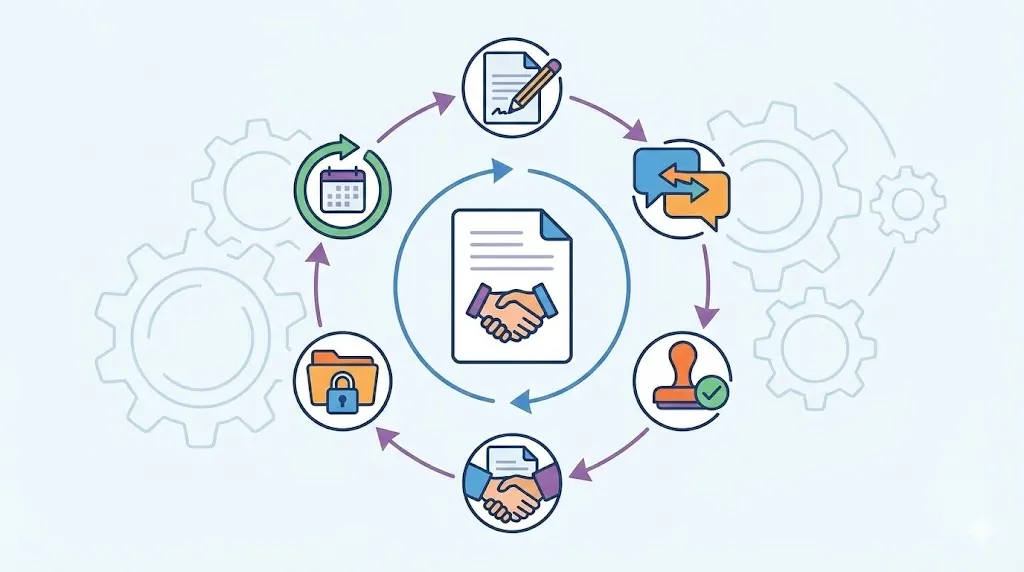
Structured contract intake ensures that metadata is captured accurately at the source. Controlled drafting environments enforce standardized templates and clause usage. Automated approval workflows ensure that contracts follow defined authorization hierarchies. These mechanisms collectively transform contracts into structured operational records rather than passive documents.
Artificial intelligence enhances this transformation by extracting contract data, identifying key terms, and enabling advanced reporting. Instead of relying on manual review, organizations gain the ability to analyze contract portfolios systematically. This enables proactive risk identification, renewal forecasting, and compliance monitoring.
The effectiveness of a CLM platform depends on how deeply governance, automation, and data structuring are integrated into contract workflows—not simply on document storage or signature capability.
Related Article: Guide to Contract Initiation and Intake Optimization
Zoho CLM: Ecosystem-Centric Contract Lifecycle Coordination
Zoho Corporation positions Zoho CLM as part of its broader enterprise application ecosystem. This integration-centric architecture enables contract workflows to operate in coordination with CRM, finance, and operational systems.
Contract creation occurs within structured drafting environments supported by reusable templates and clause libraries. Automated approval workflows ensure contracts move through predefined review paths aligned with organizational authority policies. Native digital signature functionality allows contracts to be executed without relying on external signature providers.
The primary architectural advantage of Zoho CLM lies in its ecosystem integration. Contract data synchronizes with related operational systems, improving reporting consistency and operational alignment. Sales agreements align with CRM workflows, procurement contracts align with financial systems, and reporting visibility improves across departments.
However, Zoho CLM’s governance depth and advanced lifecycle intelligence capabilities are generally aligned with mid-market operational requirements rather than complex enterprise governance models. Its strength lies in integration efficiency rather than deep governance enforcement.
DocuSign CLM: Agreement Lifecycle Built on Execution Infrastructure
DocuSign extends its agreement execution infrastructure into full lifecycle contract management through DocuSign CLM. Its architecture emphasizes workflow orchestration, execution reliability, and enterprise integration flexibility.
DocuSign CLM provides structured drafting environments with controlled templates and standardized contract generation. Automated workflows route contracts through multi-stage approval hierarchies, ensuring proper authorization and audit traceability. Execution occurs within DocuSign’s mature electronic signature infrastructure, providing reliable execution and verifiable audit trails.
The platform integrates with enterprise systems including CRM, ERP, and procurement platforms. This allows contracts to function as connected operational components rather than isolated legal artifacts. Contract metadata can be synchronized with operational systems, enabling improved reporting and compliance monitoring.
DocuSign CLM’s governance effectiveness depends heavily on configuration and implementation depth. When deployed fully, it provides strong workflow automation, approval control, and lifecycle visibility. Its primary strength lies in execution reliability and enterprise integration scalability.
Related Article: Conga vs DocuSign CLM: Enterprise Comparison
Architectural Differences in Lifecycle Control
Zoho CLM and DocuSign CLM reflect fundamentally different architectural priorities.
Zoho CLM emphasizes ecosystem cohesion. Its integration with Zoho’s broader application environment enables contract workflows to align closely with existing business operations. Organizations operating primarily within Zoho’s ecosystem benefit from seamless data synchronization and reduced integration complexity.
DocuSign CLM emphasizes lifecycle orchestration across heterogeneous enterprise environments. Its architecture supports integration with diverse enterprise systems, enabling contract workflows to operate across complex operational infrastructures. This flexibility makes it suitable for organizations operating across multiple enterprise platforms.
Execution infrastructure represents another point of differentiation. DocuSign’s signature platform provides proven execution reliability and scalability. Zoho CLM provides integrated signature capability but operates at a smaller infrastructure scale compared to DocuSign’s execution network.
Economic and Deployment Considerations
Cost structure and deployment complexity vary significantly between the two platforms due to architectural positioning.
Zoho CLM typically offers lower implementation and operational costs, particularly for organizations already using Zoho applications. Integration complexity is reduced because contract workflows operate within an existing ecosystem. Deployment timelines are generally shorter, and operational overhead remains lower.
DocuSign CLM operates within enterprise pricing models that reflect its broader integration scope and execution infrastructure. Implementation costs include licensing, configuration, and integration work required to align contract workflows with enterprise systems. Deployment timelines are typically longer due to the complexity of enterprise integration.
The cost difference reflects architectural intent. Zoho CLM prioritizes ecosystem efficiency and operational simplicity, while DocuSign CLM prioritizes scalability and enterprise workflow flexibility.
Operational Performance Across the Contract Lifecycle
Lifecycle performance depends on how effectively platforms govern contract workflows from creation through post-execution monitoring.
Zoho CLM provides cohesive lifecycle workflows within Zoho’s application environment. Contract creation, approval routing, execution, and reporting operate as integrated processes. This improves operational coordination and reduces manual workflow fragmentation.
DocuSign CLM provides stronger lifecycle orchestration across enterprise environments. Its workflow engine supports complex approval hierarchies and multi-system integration. Contracts can function as structured operational records integrated into enterprise workflows.
Post-execution governance capabilities differ in depth. Zoho CLM provides structured reporting and contract visibility. DocuSign CLM provides deeper lifecycle monitoring capabilities when configured fully, enabling more advanced compliance tracking and operational analysis.
Execution reliability remains a defining advantage for DocuSign due to its mature signature infrastructure. Zoho CLM provides reliable execution capabilities but does not match the execution scale of DocuSign’s global agreement infrastructure.
Related Article: 6 Key Performance Indicators (KPIs) for Legal Departments
Strength Profile and Operational Tradeoffs
Zoho CLM’s primary advantage lies in ecosystem alignment. Organizations already operating within Zoho’s software environment benefit from seamless integration, lower deployment complexity, and reduced operational friction. Its lifecycle capabilities support structured contract management within integrated business operations.
However, its lifecycle intelligence capabilities and governance enforcement depth remain more limited compared to enterprise-focused platforms designed specifically for complex governance environments.
DocuSign CLM provides stronger workflow orchestration, execution infrastructure, and integration flexibility. Its architecture supports enterprise-scale contract operations and complex approval structures. Its execution reliability and integration ecosystem provide strong operational scalability.
The tradeoff involves cost and implementation complexity. Enterprise deployment requires significant configuration and integration work to realize full governance capability.
Volody CLM: Governance-Centric Lifecycle Enforcement
Volody approaches contract lifecycle management from a governance-first perspective. Its architecture prioritizes structured contract data, enforced drafting controls, and lifecycle traceability.
Structured metadata capture ensures that contract attributes remain consistent and analyzable. Controlled clause libraries enforce standardized legal language. Automated workflows ensure contracts follow defined approval hierarchies, improving authorization control and compliance reliability.
AI-driven contract intelligence extracts contract terms and enables structured reporting. Obligation tracking ensures contractual commitments remain visible and enforceable throughout the contract lifecycle. These capabilities improve compliance reliability, audit readiness, and operational transparency.
Volody CLM’s architecture emphasizes governance enforcement rather than ecosystem convenience or execution infrastructure alone.
Strategic Alignment Based on Organizational Requirements
Zoho CLM is most appropriate for organizations operating primarily within Zoho’s ecosystem. Its integration efficiency, lower deployment complexity, and cohesive operational workflows make it suitable for organizations prioritizing ecosystem alignment.
DocuSign CLM is designed for enterprises requiring scalable lifecycle orchestration across diverse enterprise systems. Its workflow automation capabilities, execution reliability, and integration flexibility support complex enterprise environments.
Volody CLM is designed for organizations prioritizing governance enforcement, structured lifecycle intelligence, and audit-grade contract traceability. Its architecture ensures contracts remain governed operational assets rather than passive records.
Frequently Asked Questions
How does lifecycle management differ from basic contract storage?
Basic storage preserves documents but does not enforce operational controls. Lifecycle management governs drafting, approval workflows, execution, obligation tracking, and reporting. This ensures contracts remain actively managed operational assets.
Why does inconsistent contract data create operational risk?
Inconsistent metadata prevents accurate reporting, compliance monitoring, and renewal management. Without structured data, organizations cannot analyze contract performance or identify compliance exposure reliably.
How do automated workflows improve contract governance?
Automated workflows enforce approval hierarchies, maintain audit trails, and ensure authorization policies are followed. This prevents unauthorized execution and improves organizational accountability.
What is the operational benefit of AI-driven contract analysis?
AI enables automated extraction of contract terms, improving reporting accuracy and reducing manual effort. This allows organizations to analyze contract portfolios systematically and identify risk patterns.
Why is lifecycle visibility important after contract execution?
Contracts create ongoing obligations that must be monitored. Lifecycle visibility ensures commitments are fulfilled, renewals are managed proactively, and compliance requirements are met consistently.
About the Company

Volody AI CLM is an Agentic AI-powered Contract Lifecycle Management platform designed to eliminate manual contracting tasks, automate complex workflows, and deliver actionable insights. As a one-stop shop for all contract activities, it covers drafting, collaboration, negotiation, approvals, e-signature, compliance tracking, and renewals. Built with enterprise-grade security and no-code configuration, it meets the needs of the most complex global organizations. Volody AI CLM also includes AI-driven contract review and risk analysis, helping teams detect issues early and optimize terms. Trusted by Fortune 500 companies, high-growth startups, and government entities, it transforms contracts into strategic, data-driven business assets.





" height="216.72211px" id="FYO0bO80Y" transform="translate(3 6.105)" width="206.073px"/><path d="M 108.174 222 C 88.432 222 70.303 217.239 53.785 207.717 C 37.267 198.196 24.173 185.052 14.504 168.285 C 4.835 151.312 0 132.165 0 110.845 C 0 89.731 4.835 70.792 14.504 54.025 C 24.173 37.052 37.267 23.804 53.785 14.282 C 70.303 4.761 88.432 0 108.174 0 C 128.116 0 146.246 4.761 162.562 14.282 C 179.08 23.804 192.073 37.052 201.541 54.025 C 211.21 70.792 216.044 89.731 216.044 110.845 C 216.044 132.165 211.21 151.312 201.541 168.285 C 192.073 185.052 179.08 198.196 162.562 207.717 C 146.044 217.239 127.915 222 108.174 222 Z M 108.174 183.189 C 120.864 183.189 132.044 180.291 141.713 174.495 C 151.382 168.492 158.936 160.006 164.375 149.035 C 169.814 138.064 172.533 125.334 172.533 110.845 C 172.533 96.355 169.814 83.729 164.375 72.965 C 158.936 61.994 151.382 53.611 141.713 47.815 C 132.044 42.02 120.864 39.122 108.174 39.122 C 95.483 39.122 84.202 42.02 74.332 47.815 C 64.663 53.611 57.109 61.994 51.67 72.965 C 46.231 83.729 43.511 96.355 43.511 110.845 C 43.511 125.334 46.231 138.064 51.67 149.035 C 57.109 160.006 64.663 168.492 74.332 174.495 C 84.202 180.291 95.483 183.189 108.174 183.189 Z" fill="rgba(255, 255, 255, 0.12)" height="222px" id="aa1McFcE9" transform="translate(227.183 3)" width="216.04399999999998px"/><path d="M 42.302 182.257 L 111.799 182.257 L 111.799 216.722 L 0 216.722 L 0 0 L 42.302 0 Z" fill="rgba(255, 255, 255, 0.12)" height="216.72211px" id="yRq4AnrsX" transform="translate(477.721 6.105)" width="111.79899999999998px"/><path d="M 108.174 222 C 88.432 222 70.303 217.239 53.785 207.717 C 37.267 198.196 24.173 185.052 14.504 168.285 C 4.835 151.312 0 132.165 0 110.845 C 0 89.731 4.835 70.792 14.504 54.025 C 24.173 37.052 37.267 23.804 53.785 14.282 C 70.303 4.761 88.432 0 108.174 0 C 128.116 0 146.246 4.761 162.562 14.282 C 179.08 23.804 192.073 37.052 201.541 54.025 C 211.21 70.792 216.045 89.731 216.045 110.845 C 216.045 132.165 211.21 151.312 201.541 168.285 C 192.073 185.052 179.08 198.196 162.562 207.717 C 146.044 217.239 127.915 222 108.174 222 Z M 108.174 183.189 C 120.864 183.189 132.044 180.291 141.713 174.495 C 151.382 168.492 158.936 160.006 164.375 149.035 C 169.814 138.064 172.534 125.334 172.534 110.845 C 172.534 96.355 169.814 83.729 164.375 72.965 C 158.936 61.994 151.382 53.611 141.713 47.815 C 132.044 42.02 120.864 39.122 108.174 39.122 C 95.483 39.122 84.202 42.02 74.332 47.815 C 64.663 53.611 57.108 61.994 51.67 72.965 C 46.231 83.729 43.511 96.355 43.511 110.845 C 43.511 125.334 46.231 138.064 51.67 149.035 C 57.108 160.006 64.663 168.492 74.332 174.495 C 84.202 180.291 95.483 183.189 108.174 183.189 Z" fill="rgba(255, 255, 255, 0.12)" height="222px" id="mo8HQspQ0" transform="translate(609.155 3)" width="216.04500000000007px"/><path d="M 73.727 0 C 95.885 0 115.324 4.45 132.044 13.351 C 148.967 22.252 161.957 34.982 171.027 51.541 C 180.287 67.894 184.917 86.937 184.917 108.671 C 184.917 130.405 180.287 149.449 171.027 165.801 C 161.957 181.947 148.967 194.47 132.044 203.371 C 115.324 212.271 95.885 216.722 73.727 216.722 L 0 216.722 L 0 0 Z M 72.216 179.773 C 94.374 179.773 111.497 173.564 123.583 161.144 C 135.669 148.724 141.713 131.233 141.713 108.671 C 141.713 86.109 135.669 68.515 123.583 55.888 C 111.497 43.055 94.374 36.638 72.216 36.638 L 42.302 36.638 L 42.302 179.773 Z" fill="rgba(255, 255, 255, 0.12)" height="216.72211px" id="I3iXX5Hi_" transform="translate(859.693 6.105)" width="184.91699999999992px"/><path d="M 185.22 0 L 113.91 141.273 L 113.91 216.722 L 71.61 216.722 L 71.61 141.273 L 0 0 L 47.74 0 L 93.06 99.046 L 138.08 0 Z" fill="rgba(255, 255, 255, 0.12)" height="216.72211px" id="nzHyWC0_d" transform="translate(1061.78 6.105)" width="185.22000000000003px"/></svg>)