

Contracts are the backbone of business deals, yet managing their versions can feel like juggling too many balls at once. Imagine a sales team rushing to close a deal with an outdated contract draft. The legal team scrambles to find the latest edits, while the counterparty’s counsel sends back a version nobody recognizes. This chaos leads to costly mistakes, delays, and even legal exposure. Contract version control that actually works keeps everyone on the same page, literally and figuratively, preventing these costly mix-ups.
TL;DR
Maintaining detailed records of every draft, edit, and approval within contract version control provides essential oversight across the entire document lifecycle.
When version control is insufficient, organizations often encounter costly mistakes, operational setbacks, and increased compliance risks that affect team performance.
Effective version management relies heavily on centralizing contracts and adopting standardized file naming protocols.
Among best practices, it is essential to lock documents during approval phases and to maintain a clear separation between internal commentary and external modifications.
Contract Lifecycle Management (CLM) software facilitates automation of version tracking, access permissions, and detailed audit trails.
The deployment of CLM tools significantly decreases legal bottlenecks while accelerating the overall contract turnaround process.
Why Does Contract Version Control Matter?
Contract version control means keeping a clear record of every change made to a contract draft. Additionally, it also documents who made each change, along with the timing and rationale. Without it, you risk working on outdated drafts, losing track of negotiated terms, or signing agreements that don’t reflect actual deals.
Picture a project where multiple people edit a contract: legal, sales, procurement, and the other party’s counsel. Without clear version control, someone might use an old draft with terms already rejected. This can lead to disputes, missed obligations, or financial losses. According to the 2026 Contracting Benchmark Report, companies lose about 11% of contract value after signing due to poor contract management. That’s a huge hit.
Good version control brings these benefits:
Clear accountability: Every change links to a person and timestamp, so no one can deny responsibility.
Audit readiness: A full revision history helps during compliance reviews or legal disputes.
Faster deals: Teams stop wasting time hunting for the latest draft in emails or shared drives.
Traceable negotiations: You can see exactly which terms were proposed, accepted, or rejected at each step.
Far from being optional, version control forms the backbone of efficient contract workflows. A Deloitte study found that organizations with advanced contract editing and approval tools are 47% more likely to beat financial targets. This underscores how indispensable proper version management is to business success.
Related articles: Streamlining Version Control for Word Contracts
5 Common Contract Version Control Failures That Create Risk
Understanding where version control breaks down helps fix it. Here are five common failures:
Email Chaos: Contracts bounce back and forth as email attachments with confusing names like “v2_final_FINAL.” No one trusts which is current.
Scattered Storage: Contracts are often dispersed across shared drives, email inboxes, and individual desktops, complicating efforts to retrieve the correct version promptly.
No Access Controls: The absence of proper access restrictions allows any user to modify or overwrite contracts without recorded authorization, increasing the risk of inadvertent or unauthorized changes.
Missing Audit Trails: In the event of a dispute, the lack of comprehensive logs makes it difficult to determine who approved specific terms or when particular clauses were amended.
Approval Confusion: Reviewers frequently hesitate to proceed because uncertainty about the draft's currency impedes timely decision-making, prolonging the approval cycle.
These failures multiply risks. One missed version can cause rework, slow negotiations, and expose the company to legal or financial harm. Manual version control methods stop working well once you manage dozens of contracts. Legal teams still intervene in 32% of contracts, according to the same benchmark report, signaling the need for better automation.
Related articles: Redlining Contracts in Word: Master Track Changes
How to Set Up Contract Version Control: 5 Essential Steps
You don’t need to fix everything at once. Start with these five key steps to build a reliable version control system:
1. Centralize Contract Storage
Move all contracts active, in negotiation, and executed into one secure repository. This becomes your single source of truth. Everyone accesses the same place, eliminating confusion over “which folder has the latest file.” Include legacy contracts too, not just new ones.
Research by World Commerce & Contracting found companies store contract data across an average of 24 different systems. Consolidating this data is the highest-impact move for better control.
2. Standardize File Names and Metadata
Establish naming conventions that incorporate details such as contract status, version numbers, and involved parties for clear identification. For example: `ClientName_ServiceAgreement_v3_2024-06-15.docx` In addition, apply metadata tags covering contract type, expiration date, and responsible teams to streamline file recognition and enable efficient automated searches.
3. Track Changes and Redlines in One Place
Adopt platforms that integrate edits and commentary directly within the document environment. Instead of exchanging multiple email attachments with scattered remarks, consolidate feedback to maintain clarity. Separate internal commentary from redlines intended for counterparties to avoid any misinterpretation.
4. Implement Role-Based Access and Document Locking
Carefully define user permissions to ensure only designated individuals can edit or approve documents. During approval cycles, implement document locking mechanisms to safeguard against unauthorized modifications. These measures maintain version integrity and minimize the risk of errors.
5. Connect Approved Versions to Signature Workflows
After a version receives final approval, integrate it seamlessly with electronic signature systems. This ensures the signed contract matches the final negotiated version without last-minute changes.
Related articles: Digitizing Legacy Contracts: Best Practices
Best Practices for Managing Contract Versions During Negotiations and Approvals
Negotiations and approvals are the most sensitive phases for version control. Follow these practices to maintain clarity:
Create Snapshots at Key Milestones: Save versions only at important points, such as after internal reviews or counterparty redlines. This avoids clutter from every minor edit.
Separate Internal Comments from External Redlines: Keep your team’s notes and questions distinct from the changes shared with the other party. This prevents accidental disclosure of internal strategy.
Lock Documents During Approval: Prevent edits while the contract is under review or awaiting sign-off. This keeps the version stable.
Standardize File Formats: Use a single format like Word or PDF to avoid compatibility issues and ensure consistent tracking.
Use Side-by-Side Comparison Tools: Review changes visually to spot differences quickly instead of reading through long documents.
These steps reduce confusion and speed up approvals. They also make it easier to track negotiation history for future reference.
Related articles: Best Contract Management Software: Top 10 CLM Tools
How Contract Lifecycle Management Software Solves Version Control Challenges
Contract Lifecycle Management (CLM) software automates and enforces version control best practices. Additionally, it also consolidates every contract version into a single repository where they can be systematically stored, monitored, and managed.
Here’s how CLM software helps:
Automatic Version Tracking: Every draft and edit is saved with timestamps and user info, creating a complete audit trail.
Redline and Comparison Tools: Changes are displayed side-by-side, enabling precise evaluation and straightforward acceptance or rejection of edits.
Role-Based Permissions: Access to documents is regulated by user roles, ensuring that only authorized personnel can view, modify, or approve contracts.
Document Locking: To preserve the integrity of versions, contracts are secured during critical phases such as approval and signature.
Audit-Ready History: Every modification is logged immutably, providing robust support for compliance audits and dispute resolution.
Integration with E-Signature: Finalized versions are seamlessly transferred to signing platforms, which minimizes the risk of execution errors.
CLM platforms automate repetitive tasks, accelerate contract cycles, and mitigate operational risks. This enables legal teams to dedicate their efforts to strategic activities rather than version management.
Related articles: Streamlining Version Control for Word Contracts
Why Contract Version Control Fails Without Software
Manual methods like email threads, shared drives, or spreadsheets fail once contract volume grows. These approaches lack:
Real-Time Collaboration: Multiple users can’t edit or comment simultaneously without conflicts.
Consistent Versioning: Reliance on manual naming and saving protocols often leads to errors and creates confusion over the most current document.
Audit Trails: Establishing a reliable record of who made specific changes and when becomes impractical without automated tracking.
Security Controls: Without stringent permissions, any user with access might overwrite files, eliminating accountability.
As the number of contracts increases, these vulnerabilities contribute to operational delays, increased rework, and heightened legal exposure. Automation becomes essential for scalable, reliable version control.
Related articles: Digitizing Legacy Contracts: Best Practices
5 Challenges in Maintaining Contract Version Control
Even with good systems, teams face challenges:
Resistance to Change: People used to email or local files resist adopting new tools.
Complex Negotiations: Tracking becomes challenging when numerous parties contribute multiple rounds of revisions.
Inconsistent Processes: The absence of standardized policies leads to varied version management practices across teams.
Poor Training: Mistakes arise when users lack proficiency with version control software.
Legacy Contracts: Transferring existing agreements into a modern platform demands significant time and resources.
Address these by establishing firm policies, providing comprehensive user training, and progressively consolidating agreements within a centralized system.
Related articles: Redlining Contracts in Word: Master Track Changes
Real-World Example: How Poor Version Control Costs Money
A mid-sized technology firm lost a major client after signing a contract with outdated terms. Additionally, the sales team relied on an outdated draft that lacked the revised pricing and service level details. The client disputed the contract, delaying payments and damaging trust.
The firm estimated a loss of 12% of the contract value due to rework, legal fees, and delayed revenue recognition. This situation could have been avoided with proper version control, centralized storage, and approval workflows.
Related articles: Best Contract Management Software: Top 10 CLM Tools
How to Recover from a Contract Version Control Breakdown
If your organization struggles with version chaos, take these steps:
Audit Current Contracts: Identify where contracts live and how versions are tracked.
Centralize Storage: Gather all contracts into a single, secure repository to improve both accessibility and management efficiency.
Define Naming Conventions: Create standardized file naming protocols complemented by metadata guidelines that promote consistency across all documents.
Train Teams: Deliver targeted training sessions for legal, sales, and procurement teams to ensure they fully understand and apply the adopted version control procedures.
Adopt CLM Software: Deploy contract lifecycle management platforms designed to automate version tracking and streamline approval workflows.
Monitor Compliance: Regularly audit the contract management process to confirm ongoing compliance with the defined standards.
These steps will help re-establish control over your contract management system and reduce the likelihood of discrepancies moving forward.
Explore further: Streamlining Version Control for Word Contracts
Why Contract Version Control Is a Business Imperative
Contracts are legal and financial commitments. Additionally, losing track of versions exposes organizations to the risk of agreeing to unfavorable terms, missing critical deadlines, or facing audit failures. Version control protects revenue, reduces risk, and improves operational efficiency.
According to Gartner, companies with strong contract management practices reduce contract cycle times by up to 50% and cut legal costs by 30%. These savings directly impact the bottom line.
Related articles: Digitizing Legacy Contracts: Best Practices
How Contract Management Software Matters
Contract management solutions centralize contract data and automate version control. Additionally, the system also records every change alongside timestamps and user information to maintain full accountability. The platform secures files throughout the approval workflow and facilitates the delivery of finalized contracts for e-signature, thereby mitigating execution risks.
Modern CLM tools also provide:
AI-enhanced contract authoring and review capabilities that accelerate drafting while mitigating risk.
Extensive libraries of clauses coupled with standardized templates to maintain consistency.
Role-based access controls designed to protect sensitive information.
Detailed audit logs that enhance regulatory compliance and assist in resolving disputes.
These features reduce manual workloads and speed up contract lifecycles. They empower teams to collaborate effectively without compromising version accuracy.
Managing complex legal workflows requires an integrated, centralized solution.
Interested in how Volody’s contract lifecycle management platform can streamline your legal operations?
Discover its advantages at Volody's CLM Software.
FAQ
What is contract version control?
Contract version control documents every amendment, edit, and approval a contract experiences.
Moreover, it also ensures transparency regarding the current draft, involved contributors, and timing of changes.
This clarity prevents miscommunication and errors throughout negotiations and execution.
Why do contracts often have version control problems?
Contracts frequently encounter versioning challenges because they circulate via email, are stored in disparate locations, and undergo edits by multiple individuals without standardized procedures. The absence of centralized repositories and consistent naming conventions further exacerbates confusion.
How does poor version control impact businesses?
Ineffective version management results in executing outdated agreements, overlooking negotiated terms, experiencing approval delays, and facing legal exposure. According to the 2026 Contracting Benchmark Report, such deficiencies cause companies to forfeit approximately 11% of contract value after signing.
What are best practices for contract version control?
Centralize contract storage; standardize file naming conventions and metadata; consolidate change tracking; enforce role-based permissions; restrict editing during approval phases; and link executed contracts directly to e-signature processes.
Can manual version control work for large organizations?
Manual methods like emails and shared drives become ineffective as contract volume grows. Furthermore, they also lack real-time collaboration, audit trails, and security controls, resulting in errors and delays. Automation is necessary for scale.
How does CLM software improve version control?
CLM software systematically archives each version with precise timestamps, governs user access rights, safeguards documents through approval workflows, provides side-by-side redline comparison tools, and seamlessly connects signed contracts to electronic signature platforms.
What challenges do teams face when adopting version control tools?
Teams may resist change, struggle with complex negotiations, lack consistent processes, have insufficient training, and face difficulties migrating legacy contracts. Addressing these requires clear policies and gradual adoption.
How can organizations recover from version control failures?
Start by auditing current contracts, centralizing storage, defining naming conventions, training teams, adopting CLM software, and monitoring compliance regularly to regain control.
Why is contract version control critical for compliance?
Versioning solutions generate comprehensive audit trails documenting who authorized each stage and when. This evidence underpins regulatory compliance, supports internal audits, and facilitates dispute resolution by confirming contract authenticity.
What features should I look for in contract version control software?
Look for platforms that provide automated version histories, fine-grained access controls, document locking during reviews, redline comparison capabilities, audit logging, integration with electronic signature systems, and AI-powered drafting and review tools.
About the Company

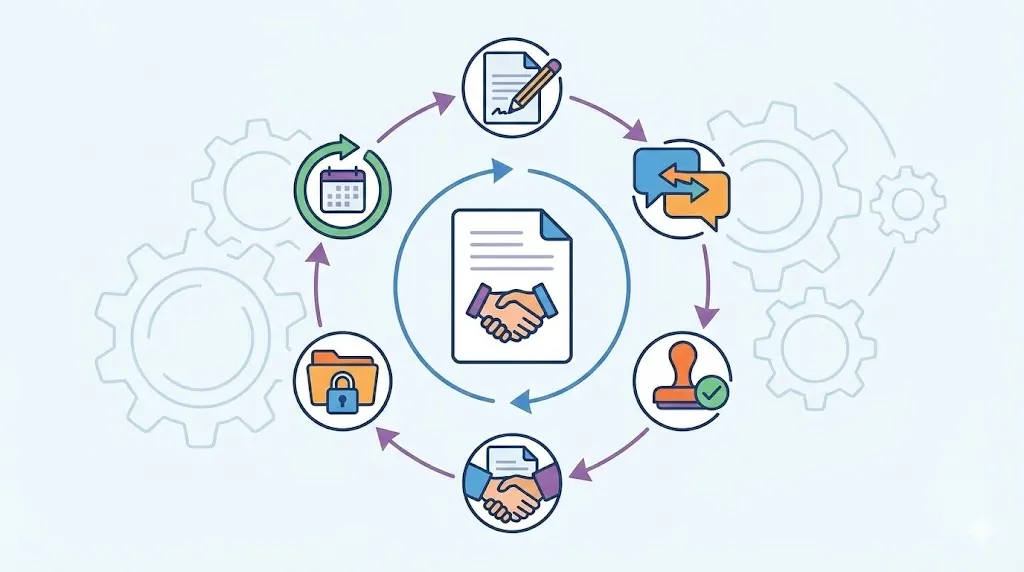
Volody AI CLM is an Agentic AI-powered Contract Lifecycle Management platform designed to eliminate manual contracting tasks, automate complex workflows, and deliver actionable insights. As a one-stop shop for all contract activities, it covers drafting, collaboration, negotiation, approvals, e-signature, compliance tracking, and renewals. Built with enterprise-grade security and no-code configuration, it meets the needs of the most complex global organizations. Volody AI CLM also includes AI-driven contract review and risk analysis, helping teams detect issues early and optimize terms. Trusted by Fortune 500 companies, high-growth startups, and government entities, it transforms contracts into strategic, data-driven business assets.




" height="216.72211px" id="FYO0bO80Y" transform="translate(3 6.105)" width="206.073px"/><path d="M 108.174 222 C 88.432 222 70.303 217.239 53.785 207.717 C 37.267 198.196 24.173 185.052 14.504 168.285 C 4.835 151.312 0 132.165 0 110.845 C 0 89.731 4.835 70.792 14.504 54.025 C 24.173 37.052 37.267 23.804 53.785 14.282 C 70.303 4.761 88.432 0 108.174 0 C 128.116 0 146.246 4.761 162.562 14.282 C 179.08 23.804 192.073 37.052 201.541 54.025 C 211.21 70.792 216.044 89.731 216.044 110.845 C 216.044 132.165 211.21 151.312 201.541 168.285 C 192.073 185.052 179.08 198.196 162.562 207.717 C 146.044 217.239 127.915 222 108.174 222 Z M 108.174 183.189 C 120.864 183.189 132.044 180.291 141.713 174.495 C 151.382 168.492 158.936 160.006 164.375 149.035 C 169.814 138.064 172.533 125.334 172.533 110.845 C 172.533 96.355 169.814 83.729 164.375 72.965 C 158.936 61.994 151.382 53.611 141.713 47.815 C 132.044 42.02 120.864 39.122 108.174 39.122 C 95.483 39.122 84.202 42.02 74.332 47.815 C 64.663 53.611 57.109 61.994 51.67 72.965 C 46.231 83.729 43.511 96.355 43.511 110.845 C 43.511 125.334 46.231 138.064 51.67 149.035 C 57.109 160.006 64.663 168.492 74.332 174.495 C 84.202 180.291 95.483 183.189 108.174 183.189 Z" fill="rgba(255, 255, 255, 0.12)" height="222px" id="aa1McFcE9" transform="translate(227.183 3)" width="216.04399999999998px"/><path d="M 42.302 182.257 L 111.799 182.257 L 111.799 216.722 L 0 216.722 L 0 0 L 42.302 0 Z" fill="rgba(255, 255, 255, 0.12)" height="216.72211px" id="yRq4AnrsX" transform="translate(477.721 6.105)" width="111.79899999999998px"/><path d="M 108.174 222 C 88.432 222 70.303 217.239 53.785 207.717 C 37.267 198.196 24.173 185.052 14.504 168.285 C 4.835 151.312 0 132.165 0 110.845 C 0 89.731 4.835 70.792 14.504 54.025 C 24.173 37.052 37.267 23.804 53.785 14.282 C 70.303 4.761 88.432 0 108.174 0 C 128.116 0 146.246 4.761 162.562 14.282 C 179.08 23.804 192.073 37.052 201.541 54.025 C 211.21 70.792 216.045 89.731 216.045 110.845 C 216.045 132.165 211.21 151.312 201.541 168.285 C 192.073 185.052 179.08 198.196 162.562 207.717 C 146.044 217.239 127.915 222 108.174 222 Z M 108.174 183.189 C 120.864 183.189 132.044 180.291 141.713 174.495 C 151.382 168.492 158.936 160.006 164.375 149.035 C 169.814 138.064 172.534 125.334 172.534 110.845 C 172.534 96.355 169.814 83.729 164.375 72.965 C 158.936 61.994 151.382 53.611 141.713 47.815 C 132.044 42.02 120.864 39.122 108.174 39.122 C 95.483 39.122 84.202 42.02 74.332 47.815 C 64.663 53.611 57.108 61.994 51.67 72.965 C 46.231 83.729 43.511 96.355 43.511 110.845 C 43.511 125.334 46.231 138.064 51.67 149.035 C 57.108 160.006 64.663 168.492 74.332 174.495 C 84.202 180.291 95.483 183.189 108.174 183.189 Z" fill="rgba(255, 255, 255, 0.12)" height="222px" id="mo8HQspQ0" transform="translate(609.155 3)" width="216.04500000000007px"/><path d="M 73.727 0 C 95.885 0 115.324 4.45 132.044 13.351 C 148.967 22.252 161.957 34.982 171.027 51.541 C 180.287 67.894 184.917 86.937 184.917 108.671 C 184.917 130.405 180.287 149.449 171.027 165.801 C 161.957 181.947 148.967 194.47 132.044 203.371 C 115.324 212.271 95.885 216.722 73.727 216.722 L 0 216.722 L 0 0 Z M 72.216 179.773 C 94.374 179.773 111.497 173.564 123.583 161.144 C 135.669 148.724 141.713 131.233 141.713 108.671 C 141.713 86.109 135.669 68.515 123.583 55.888 C 111.497 43.055 94.374 36.638 72.216 36.638 L 42.302 36.638 L 42.302 179.773 Z" fill="rgba(255, 255, 255, 0.12)" height="216.72211px" id="I3iXX5Hi_" transform="translate(859.693 6.105)" width="184.91699999999992px"/><path d="M 185.22 0 L 113.91 141.273 L 113.91 216.722 L 71.61 216.722 L 71.61 141.273 L 0 0 L 47.74 0 L 93.06 99.046 L 138.08 0 Z" fill="rgba(255, 255, 255, 0.12)" height="216.72211px" id="nzHyWC0_d" transform="translate(1061.78 6.105)" width="185.22000000000003px"/></svg>)