

Introduction: The Blueprint for Operational Clarity
Imagine a city with thousands of vehicles moving at high speeds without traffic lights. Collisions would occur constantly, and gridlock would paralyze the entire population. In a modern legal department, matters are the vehicles. Without a clear structure, these tasks often crash into scattered email silos. A robust matter management system acts as the central control tower for your legal team.
This blog explores how to transform fragmented data into a cohesive, actionable dashboard. We will redefine what a "matter" looks like in today's high-growth business environment. You will learn about the critical link between matter intake and efficient triage processes. We will also discuss how to bridge the gap between legal matters and the contract lifecycle. Finally, we provide strategies to leverage data for governance and overcome implementation friction.
The purpose of this guide is to move beyond simple definitions. We aim to address the operational realities of modern legal work. By the end, you will understand how to build a scalable foundation. This foundation allows your department to grow without losing visibility or control. Strategic matter management is the first step toward achieving true legal operations excellence.
Redefining Matter Management for the Modern Enterprise
Matter management is the central nervous system of modern legal operations. Historically, legal teams used this term to describe litigation tracking or basic case files. Today, the definition has expanded significantly. It now includes every task that requires specific legal expertise. This encompasses regulatory compliance reviews, internal investigations, and corporate governance initiatives.
A centralized repository serves as the foundation for this expanded definition. This refers to a single digital location where all data is stored. Relying on spreadsheets or email threads creates dangerous gaps for the organization. These silos make it impossible to track the true volume of work. A dedicated system ensures that every request is logged and visible.
Furthermore, this centralized approach improves collaboration across the entire business. Stakeholders can see the status of their requests without sending follow-up emails. This transparency builds trust between legal and other functional departments. It also frees attorneys from administrative updates. This allows them to focus on providing high-value strategic advice.
Related Article: Level Up Your Legal Operations: 6 Tips to Legal Efficiency
The Critical Interplay Between Intake and Triage
Matter intake is the primary "front door" for any legal department. It sets the standard for how legal services are delivered to the business. High-performing teams avoid using generic email addresses for requests. Instead, they use structured intake forms to capture essential data. This ensures that every request is complete before a lawyer sees it.
Triage is the process of sorting and prioritizing these incoming requests. Effective triage prevents the legal department from becoming a bottleneck. Technology-enabled systems use logic gates to route work automatically. For example, a high-risk contract might go to a senior partner. Meanwhile, a simple NDA might be routed to a self-service tool.
Workflow automation plays a vital role in this initial phase. Automated systems can assign tasks based on current team capacity or expertise. They can also trigger instant notifications to the requester. This provides transparency and keeps stakeholders informed about their project status. It transforms a chaotic manual process into a predictable, scalable system.
Bridging the Gap Between Matters and Contracts
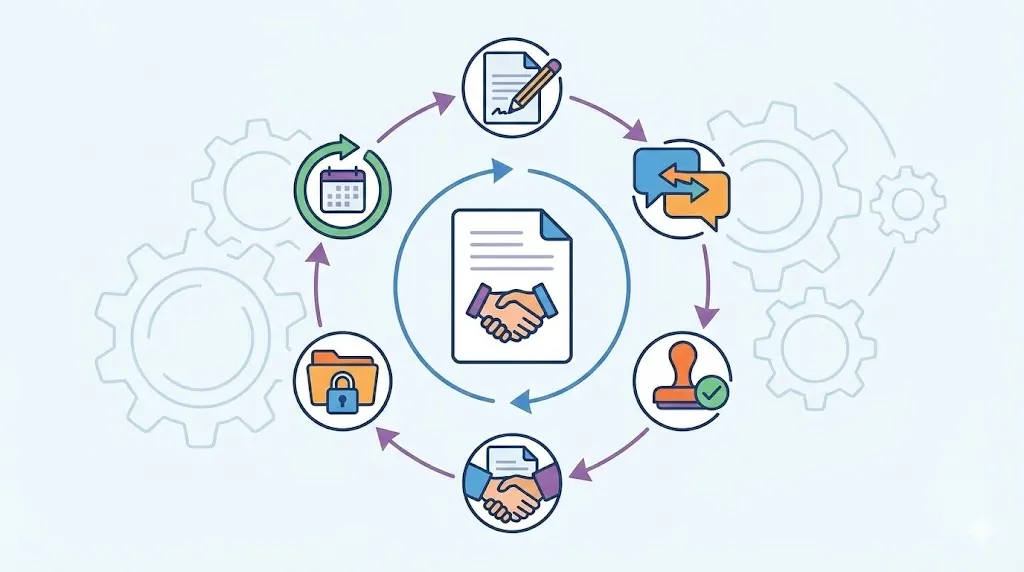
Contracts represent a significant portion of the work in any legal department. Every agreement is a specific legal matter with its own unique risks. Matter management systems provide the necessary context for the entire contract lifecycle. This includes the early stages of drafting, negotiation, and final execution. Without this context, legal teams struggle to manage their contractual obligations effectively.
A centralized repository is essential for tracking contract versions and negotiation histories. Attorneys can see exactly what was promised during the drafting phase. This record is invaluable if a dispute arises later. It ensures that the "intent" of the contract is always accessible. This high level of visibility reduces legal risk for the entire enterprise.
During the negotiation phase, multiple stakeholders often provide input on a document. Matter management tools centralize these communications in one secure location. This prevents critical feedback from getting lost in individual email inboxes. It also ensures that the most recent version of a contract is always used. This maintains data integrity and prevents costly errors during the execution phase.
Integrating contract work into a broader matter management framework improves reporting. Leaders can see how contract volume impacts overall legal capacity. They can identify which types of agreements take the longest to close. This data-driven approach allows for continuous improvement in contracting processes. It ensures the legal team remains a strategic partner to the sales and procurement teams.
Related Article: What are Contract Obligations and How to Manage Them
Leveraging Data for Strategic Governance and Compliance
Legal operations professionals rely on high-quality data to guide their strategy. Raw information must be transformed into actionable insights through reporting. Real-time dashboards provide a comprehensive view of the department's current activity. These dashboards help leaders spot bottlenecks before they impact the business. They provide a clear visual representation of where resources are spent.
Proving the value of the legal department requires measurable metrics. Key indicators often include cycle times, cost per matter, and workload distribution. These metrics demonstrate the efficiency of the legal team to executive leadership. They also help justify requests for additional headcount or technology budget. Data makes it possible to quantify the department's impact on business goals.
Compliance and audit readiness are essential goals for any modern legal team. A matter management system maintains a complete audit trail for every action. This time-stamped history is vital during regulatory reviews or internal audits. It proves that the department followed all internal policies and legal requirements. This documentation provides peace of mind for the General Counsel and the board.
Overcoming Implementation Friction and Change Management
Successful technology implementation starts with a clear understanding of current processes. Workflow automation cannot fix a process that is fundamentally broken. Legal teams must map their existing workflows before moving to a new system. This involves identifying manual steps that can be streamlined or eliminated. Involving stakeholders early in this mapping process is critical for success.
Change management is primarily a human challenge rather than a technical one. Attorneys often resist new tools that seem to add more work. To drive adoption, the benefits must be personal and immediate. Highlight features that reduce email volume and simplify document searching. Training should be focused on these "quick wins" to build user confidence.
A phased rollout strategy is often more effective than a "big bang" launch. Start by moving one specific practice area or request type to the new system. This allows the implementation team to gather feedback and make adjustments. Success in a small area builds momentum for the rest of the department. It also provides internal "champions" who can encourage their peers to adapt.
Ongoing support is essential for maintaining long-term adoption and data integrity. Establish a clear process for users to report issues or suggest improvements. Regularly review the system's performance and adjust workflows as the business evolves. Continuous improvement ensures that the technology continues to provide value as the department grows. High adoption rates are the only way to achieve a true single source of truth.
Related Article: Failed CLM Implementation? Here’s the Ultimate Fix
Conclusion: Securing the Future of Legal Operations
Matter management is the essential foundation for a modern legal department. It provides the visibility and control needed to manage complex workloads in a fast-paced environment. By centralizing work, legal teams can operate with greater speed and accuracy. They can also move beyond administrative tasks to provide high-value strategic advice. This transformation is necessary for any department that wants to scale.
The journey toward operational excellence begins with a single step: centralizing your data. Implementing a system for matter intake and triage is the most effective way to start. This creates an environment where workflow automation can thrive and drive further efficiencies. As your data quality improves, your ability to influence business strategy will also grow. The transition may be challenging, but the long-term rewards are significant.
In the age of digital transformation, legal teams cannot afford to lag behind. Those who embrace matter management will become indispensable business partners. They will protect the organization with greater precision and lead with data-driven insights. Now is the time to build your operational blueprint for the future. Secure your department's success by investing in the right structural foundation today.
Related Article: Top Contract Resources Every Procurement Team Needs
Frequently Asked Questions
How does automated intake reduce email volume for lawyers?
Automated matter intake replaces informal email requests with structured forms. This captures all necessary data upfront, eliminating the need for back-and-forth follow-up emails.
What is the difference between matter management and case management?
Matter management covers all legal work, including advisory and compliance. Case management is usually more narrow, focusing specifically on litigation and court proceedings.
Can matter management systems integrate with tools like Microsoft 365?
Yes, most modern systems integrate with Outlook and Teams. This allows lawyers to manage matters directly from the applications they use every day.
Why is an audit trail important for legal compliance?
An audit trail provides a permanent, time-stamped record of every action taken. This is essential for proving that legal processes were followed correctly during a regulatory audit.
About the Company

Volody AI CLM is an Agentic AI-powered Contract Lifecycle Management platform designed to eliminate manual contracting tasks, automate complex workflows, and deliver actionable insights. As a one-stop shop for all contract activities, it covers drafting, collaboration, negotiation, approvals, e-signature, compliance tracking, and renewals. Built with enterprise-grade security and no-code configuration, it meets the needs of the most complex global organizations. Volody AI CLM also includes AI-driven contract review and risk analysis, helping teams detect issues early and optimize terms. Trusted by Fortune 500 companies, high-growth startups, and government entities, it transforms contracts into strategic, data-driven business assets.





" height="216.72211px" id="FYO0bO80Y" transform="translate(3 6.105)" width="206.073px"/><path d="M 108.174 222 C 88.432 222 70.303 217.239 53.785 207.717 C 37.267 198.196 24.173 185.052 14.504 168.285 C 4.835 151.312 0 132.165 0 110.845 C 0 89.731 4.835 70.792 14.504 54.025 C 24.173 37.052 37.267 23.804 53.785 14.282 C 70.303 4.761 88.432 0 108.174 0 C 128.116 0 146.246 4.761 162.562 14.282 C 179.08 23.804 192.073 37.052 201.541 54.025 C 211.21 70.792 216.044 89.731 216.044 110.845 C 216.044 132.165 211.21 151.312 201.541 168.285 C 192.073 185.052 179.08 198.196 162.562 207.717 C 146.044 217.239 127.915 222 108.174 222 Z M 108.174 183.189 C 120.864 183.189 132.044 180.291 141.713 174.495 C 151.382 168.492 158.936 160.006 164.375 149.035 C 169.814 138.064 172.533 125.334 172.533 110.845 C 172.533 96.355 169.814 83.729 164.375 72.965 C 158.936 61.994 151.382 53.611 141.713 47.815 C 132.044 42.02 120.864 39.122 108.174 39.122 C 95.483 39.122 84.202 42.02 74.332 47.815 C 64.663 53.611 57.109 61.994 51.67 72.965 C 46.231 83.729 43.511 96.355 43.511 110.845 C 43.511 125.334 46.231 138.064 51.67 149.035 C 57.109 160.006 64.663 168.492 74.332 174.495 C 84.202 180.291 95.483 183.189 108.174 183.189 Z" fill="rgba(255, 255, 255, 0.12)" height="222px" id="aa1McFcE9" transform="translate(227.183 3)" width="216.04399999999998px"/><path d="M 42.302 182.257 L 111.799 182.257 L 111.799 216.722 L 0 216.722 L 0 0 L 42.302 0 Z" fill="rgba(255, 255, 255, 0.12)" height="216.72211px" id="yRq4AnrsX" transform="translate(477.721 6.105)" width="111.79899999999998px"/><path d="M 108.174 222 C 88.432 222 70.303 217.239 53.785 207.717 C 37.267 198.196 24.173 185.052 14.504 168.285 C 4.835 151.312 0 132.165 0 110.845 C 0 89.731 4.835 70.792 14.504 54.025 C 24.173 37.052 37.267 23.804 53.785 14.282 C 70.303 4.761 88.432 0 108.174 0 C 128.116 0 146.246 4.761 162.562 14.282 C 179.08 23.804 192.073 37.052 201.541 54.025 C 211.21 70.792 216.045 89.731 216.045 110.845 C 216.045 132.165 211.21 151.312 201.541 168.285 C 192.073 185.052 179.08 198.196 162.562 207.717 C 146.044 217.239 127.915 222 108.174 222 Z M 108.174 183.189 C 120.864 183.189 132.044 180.291 141.713 174.495 C 151.382 168.492 158.936 160.006 164.375 149.035 C 169.814 138.064 172.534 125.334 172.534 110.845 C 172.534 96.355 169.814 83.729 164.375 72.965 C 158.936 61.994 151.382 53.611 141.713 47.815 C 132.044 42.02 120.864 39.122 108.174 39.122 C 95.483 39.122 84.202 42.02 74.332 47.815 C 64.663 53.611 57.108 61.994 51.67 72.965 C 46.231 83.729 43.511 96.355 43.511 110.845 C 43.511 125.334 46.231 138.064 51.67 149.035 C 57.108 160.006 64.663 168.492 74.332 174.495 C 84.202 180.291 95.483 183.189 108.174 183.189 Z" fill="rgba(255, 255, 255, 0.12)" height="222px" id="mo8HQspQ0" transform="translate(609.155 3)" width="216.04500000000007px"/><path d="M 73.727 0 C 95.885 0 115.324 4.45 132.044 13.351 C 148.967 22.252 161.957 34.982 171.027 51.541 C 180.287 67.894 184.917 86.937 184.917 108.671 C 184.917 130.405 180.287 149.449 171.027 165.801 C 161.957 181.947 148.967 194.47 132.044 203.371 C 115.324 212.271 95.885 216.722 73.727 216.722 L 0 216.722 L 0 0 Z M 72.216 179.773 C 94.374 179.773 111.497 173.564 123.583 161.144 C 135.669 148.724 141.713 131.233 141.713 108.671 C 141.713 86.109 135.669 68.515 123.583 55.888 C 111.497 43.055 94.374 36.638 72.216 36.638 L 42.302 36.638 L 42.302 179.773 Z" fill="rgba(255, 255, 255, 0.12)" height="216.72211px" id="I3iXX5Hi_" transform="translate(859.693 6.105)" width="184.91699999999992px"/><path d="M 185.22 0 L 113.91 141.273 L 113.91 216.722 L 71.61 216.722 L 71.61 141.273 L 0 0 L 47.74 0 L 93.06 99.046 L 138.08 0 Z" fill="rgba(255, 255, 255, 0.12)" height="216.72211px" id="nzHyWC0_d" transform="translate(1061.78 6.105)" width="185.22000000000003px"/></svg>)