

Managing contracts within aerospace defense programs requires rigorous adherence to complex regulatory frameworks and meticulous risk mitigation. These contracts involve sensitive technologies, intricate supply chains, and stringent government oversight, where any compliance failure can result in severe penalties or contract termination. Success hinges on integrating compliance protocols early in the contract lifecycle and leveraging advanced tools to maintain control, ensure audit readiness, and deliver projects on schedule and within budget.
This article provides a comprehensive framework for navigating the unique compliance and risk challenges in aerospace defense contract management. You will gain insights on managing regulatory requirements, overseeing multi-tier supplier compliance, and deploying technology solutions designed to safeguard contract integrity and program success.
TL;DR
Contract management aerospace defense requires strict adherence to regulations and careful risk control. Success depends on embedding compliance early in contract workflows and managing complex supply chains. Leveraging PLM and automated CLM tools improves oversight and audit readiness. Cybersecurity and export controls add layers of challenge. Proactive governance, training, and collaboration across teams help keep contracts on track and compliant.
Related articles: Mastering International Contracts: Compliance & Risk
Regulatory Frameworks Governing Aerospace Defense Contracts
Key Compliance Agencies: DCMA, DCSA, and Beyond
The Defense Contract Management Agency (DCMA) plays a central role in aerospace defense contract oversight. It ensures contractors deliver quality products on time and meet contract terms. DCMA’s audits and assessments shape how companies handle compliance daily. The Defense Counterintelligence and Security Agency (DCSA) also influences security clearances and information protection.
Other agencies, such as the Federal Aviation Administration (FAA) and Department of Commerce, may get involved depending on contract scope. Contractors must navigate a web of federal agencies, each with its own focus. Understanding which agency governs which aspect of the contract is crucial.
This multi-agency environment creates a complex compliance landscape. Failure to satisfy any one agency can jeopardize the entire program. Regular communication and clear roles help contractors stay aligned with all oversight bodies.
Critical Regulations: ITAR, CMMC, and FAR Clauses
Several key regulations govern aerospace defense contracts. The International Traffic in Arms Regulations (ITAR) control export and import of defense-related technologies. ITAR compliance prevents unauthorized foreign access to sensitive technical data.
The Cybersecurity Maturity Model Certification (CMMC) requires contractors to meet cybersecurity standards protecting controlled unclassified information (CUI). Achieving the appropriate CMMC level is often a contract condition.
Federal Acquisition Regulation (FAR) clauses set contract terms related to pricing, audits, and reporting. The Defense Federal Acquisition Regulation Supplement (DFARS) adds defense-specific rules. Contractors must track applicable FAR and DFARS clauses carefully throughout the contract lifecycle.
Adhering to these regulations is non-negotiable. Violations can trigger penalties, contract termination, or loss of future work.
The Impact of National Security and Export Controls on Contracts
National security concerns shape contract requirements more than ever. Export control regulations restrict what technology can be shared or sold overseas. Contractors must implement robust controls around data access, transmission, and storage.
Export control compliance aerospace defense requires controlling classified and technical information flows. This includes managing subcontractors and suppliers who also handle sensitive data.
Geopolitical risks may lead to sudden changes in export rules or sanctions. Contractors must stay alert to these shifts to avoid breaching regulations. Export control violations can result in hefty fines and damage to reputation.
National security priorities also influence contract risk assessments. Programs involving advanced technology or critical infrastructure face heightened scrutiny. Contract teams must factor these risks into compliance and risk mitigation plans.
Related articles: What is Contract Risk & How to manage it?
Integrating Compliance into Contract Lifecycle Management
Embedding Compliance Checks in Contract Creation and Negotiation
Compliance must start at contract creation. Legal and procurement teams should embed DCMA compliance requirements aerospace and other regulatory checkpoints into contract templates. This avoids overlooking critical clauses during negotiation.
Early risk reviews identify areas needing special attention, such as export controls or cybersecurity clauses. Teams can negotiate contract terms that align with compliance capabilities rather than after-the-fact fixes.
Clear assignment of compliance duties within contracts helps downstream execution. For example, specifying supplier obligations for cybersecurity or documentation keeps everyone accountable.
Embedding these checks upfront reduces costly amendments or non-compliance findings later.
Leveraging Product Lifecycle Management (PLM) for Contract Oversight
PLM integration for contract management provides a unified platform linking contract terms with product and program data. This connection enables real-time visibility into contract performance versus technical deliverables.
PLM tools allow teams to track milestones, schedules, and regulatory tasks alongside contract line items. That ensures compliance is monitored continuously, not just at isolated audit points.
According to Dassault Systèmes, PLM-driven contract management reduces errors by providing a single version of truth across teams. This alignment supports faster decision-making and better risk control.
PLM also helps manage multi-tier contracts aerospace defense by connecting prime contractors with subcontractors within one system. This improves supply chain compliance and reduces information gaps.
Automating Compliance Monitoring with Contract Lifecycle Management (CLM) Tools
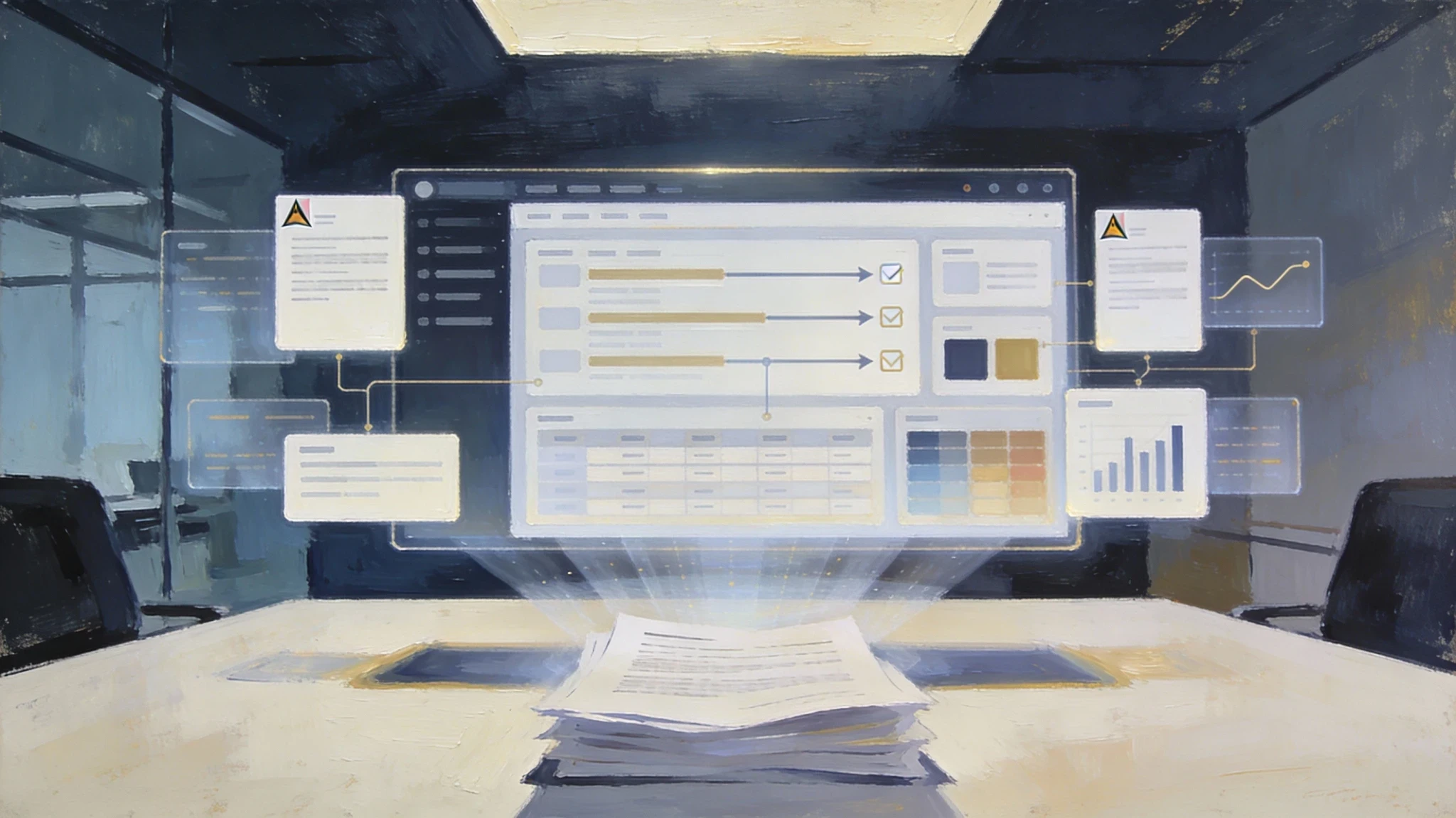
CLM software tailored for aerospace defense automates many compliance tasks. It can flag missing certifications, track contract amendments, and generate audit-ready reports. Automation reduces manual errors and frees teams to focus on problem-solving.
Best contract management software aerospace solutions offer compliance dashboards and alerts. These tools support DCMA compliance requirements aerospace by ensuring contract terms are met on schedule.
Automated workflows enforce approval gates and document version control. That sharpens control over contract changes and funding adjustments.
Integration with cybersecurity compliance aerospace contracts modules also enables continuous monitoring of security standards.
Automation creates a proactive compliance environment. It helps contractors spot risks early and respond before issues escalate.
Related articles: Contract Management Security: Risks, Mistakes and Solutions
Risk Identification Specific to Aerospace Defense Programs
Contractual Risks from Complex Government Requirements
Government contracts in aerospace defense carry layered and evolving requirements. Missing a regulatory clause or misunderstandings about terms can cause contract disputes or penalties.
Contractual risks often arise from ambiguous language or conflicting clauses. Teams must carefully review and clarify contract line item numbers (CLINs) and sub-line item numbers (SLINs) that define work scope and funding.
Funding adjustments add financial risk if not tracked transparently. Without clear change management, contractors may perform uncompensated work or miss compliance deadlines.
Contract risk also increases with multi-tier contracts aerospace defense. Prime contractors need visibility into subcontractor compliance to avoid cascading failures.
Operational Risks: Supply Chain and Subcontractor Compliance
The aerospace defense supply chain compliance is critical. Complex supply chains expose contracts to risks from counterfeit parts, delayed deliveries, or non-compliant suppliers.
Subcontractors may operate under different regulations or have varying compliance maturity. Managing these risks requires robust supplier vetting and continuous monitoring.
Supply chain disruptions can halt entire defense programs. Tracking supplier certifications, audit results, and compliance documentation is essential.
Risk mitigation includes building contingency plans and maintaining communication channels across tiers.
Cybersecurity and Data Protection Risks in Classified Contracts
Cybersecurity compliance aerospace contracts is a growing concern. Defense contracts often handle classified or sensitive data that require strict protection.
Cyber threats, insider risks, and data breaches can compromise national security and lead to contract termination. Contractors must implement controls aligning with CMMC and NIST standards.
Third-party risk management is vital. Vendors and subcontractors must meet cybersecurity requirements to prevent weak links.
In practice, teams conduct regular security assessments and monitor network access to safeguard contract data. Cyber risk is a top priority in aerospace defense contract management.
Strategies for Maintaining DCMA Compliance
Understanding DCMA’s Role in Contract Administration
DCMA oversees contract administration for the Department of Defense. It ensures contractors meet delivery schedules, quality standards, and reporting requirements.
Understanding DCMA’s expectations helps contractors prepare for audits and compliance reviews. DCMA focuses on timely performance and cost control.
Contract teams should build strong relationships with DCMA representatives. Early engagement clarifies compliance priorities and smooths communication.
DCMA compliance requirements aerospace include documentation standards and corrective action processes. Meeting these reduces audit findings and supports contract continuity.
Implementing Continuous Compliance Assessments and Audits
Continuous compliance assessments prevent surprises during formal DCMA audits. Internal audits help identify gaps and correct them proactively.
Setting up regular review cycles for contract terms, supplier compliance, and cybersecurity controls is best practice. This approach creates a culture of ongoing readiness.
Audit preparation includes maintaining organized records and clear evidence trails. Teams should document corrective actions taken to address any issues.
Regular assessments also support aerospace defense contract audit preparation by training staff on compliance protocols.
Responding to Non-Compliance: Corrective Actions and Contractual Remedies
When non-compliance occurs, swift corrective action is key. Contractors must investigate root causes and implement fixes to prevent recurrence.
DCMA expects transparency and cooperation during remediation. Reporting issues promptly can preserve trust and avoid harsher penalties.
Contractual remedies may include renegotiation, cost adjustments, or schedule changes. Documenting these ensures all parties understand the resolution.
Effective response to non-compliance protects business continuity and supports long-term contract relationships.
Managing Contract Modifications and Funding Adjustments
Tracking Changes in Contract Line Item Numbers (CLINs) and Sub-Line Item Numbers (SLINs)
CLINs and SLINs define specific work packages and funding allocations within defense contracts. Changes to these must be tracked meticulously.
Mismanagement of CLIN/SLIN changes risks unauthorized work or funding misuse. Contractors should use software tools to log every modification with audit trails.
Clear version control and approval workflows ensure all parties agree on contract scope changes. This discipline supports both compliance and financial accuracy.
Ensuring Compliance During Contract Amendments and Extensions
Contract amendments and extensions introduce compliance complexity. New terms may add regulatory obligations or change deliverables.
Teams must review amendments thoroughly to confirm ongoing adherence to DCMA compliance requirements aerospace and other rules. Overlooking new clauses can lead to violations.
Amendment management includes updating risk assessments and communicating changes to suppliers and internal teams.
Regular training on amendment handling helps contract managers spot compliance risks early.
Financial Risk Mitigation Through Transparent Funding Management
Transparent management of funding adjustments reduces financial risk. Contractors should align budgets with contract modifications and track costs against approved funding.
Financial reporting must meet government standards and support audit readiness. Tools that integrate contract and finance data provide real-time visibility.
Open communication with government contracting officers about funding status prevents misunderstandings. This clarity helps avoid disputes and payment delays.
Addressing Compliance Challenges in Emerging Aerospace Technologies
Navigating Compliance for Innovation in Autonomous and AI Systems
Emerging aerospace technologies like autonomous aircraft and AI introduce new compliance challenges. Regulations may lag behind innovation, creating uncertainty.
Contract managers must work closely with legal and technical teams to interpret evolving rules. They should document compliance strategies for novel technologies.
Balancing innovation with security requirements demands rigorous risk assessments. For example, AI systems handling classified data require additional safeguards.
Proactive engagement with regulators helps shape workable compliance frameworks for cutting-edge tech.
Regulatory Uncertainty and Its Impact on Contract Risk
Regulatory uncertainty increases contract risk, especially for emerging technologies. Sudden rule changes can affect project timelines and costs.
Contract terms should include flexibility provisions to accommodate regulatory shifts. Risk-sharing clauses can protect contractors from unforeseen compliance burdens.
Monitoring regulatory developments closely allows teams to anticipate and respond to changes faster.
Balancing Innovation with Stringent Security and Compliance Requirements
Defense contractors must innovate while meeting strict security requirements. This balance needs clear policies and cross-functional collaboration.
Integrating compliance into product design and development helps avoid rework. Security by design reduces vulnerabilities in new systems.
Teams should foster a culture where innovation and compliance coexist, not compete. Leadership commitment to this balance drives success.
Enhancing Cross-Organizational Collaboration for Compliance
Breaking Down Silos Between Legal, Procurement, and Engineering Teams
Compliance requires coordinated effort across departments. Silos lead to missed requirements or conflicting priorities.
Regular cross-team meetings and shared goals improve communication. Legal, procurement, and engineering must align on contract terms and compliance plans.
This collaboration also speeds issue resolution and builds shared accountability for risk management.
Shared Data Platforms to Ensure a Single Version of the Truth
Shared platforms, such as PLM systems integrated with contract management, provide a single source of truth. This reduces errors caused by inconsistent information.
Teams can access up-to-date contract data, compliance checklists, and audit reports in one place. That transparency supports faster decisions and clearer responsibility.
According to research by Inceptra, linking contracts to work breakdown structures in PLM improves program execution and compliance tracking.
Role of Leadership in Driving a Compliance-Centric Culture
Leadership sets the tone for compliance culture. Executives must prioritize compliance as a strategic objective and provide necessary resources.
Visible leadership support encourages employees to follow policies and report risks. Leaders should recognize compliance successes and enforce accountability.
A compliance-centric culture reduces risk and enhances contract performance. It also prepares organizations for DCMA and other audits.
Cybersecurity Compliance and Risk Mitigation
Aligning Contract Management with Cybersecurity Maturity Model Certification (CMMC)
CMMC compliance is a contract mandate for many aerospace defense programs. Contract managers must link contract terms to cybersecurity requirements.
Aligning contract workflows with CMMC levels ensures contractors meet security controls and reporting criteria. This alignment reduces audit findings.
Contract clauses should specify cybersecurity responsibilities for primes and subcontractors.
Protecting Sensitive Information in Contract Execution
Sensitive data protection requires strict access controls, encryption, and monitoring. Contract teams work with IT security to enforce these safeguards.
Clear policies govern data handling during contract performance. Training ensures everyone understands their role in protecting information.
Breach incidents must be reported and remediated swiftly to maintain contract compliance.
Third-Party Risk Management and Vendor Assessments
Third-party vendors introduce cybersecurity risks if not properly vetted. Regular assessments verify vendor security postures and compliance with contract terms.
Contractors should require cybersecurity certifications and audit rights in supplier agreements.
Effective third-party risk management reduces vulnerabilities across the supply chain and protects contract integrity.
Best Practices for Proactive Risk Management in Aerospace Defense Contracts
Establishing Clear Compliance Governance Structures
Strong governance defines roles, responsibilities, and escalation paths for compliance issues. This structure supports consistent risk oversight.
A compliance steering committee with representatives from legal, procurement, engineering, and security ensures broad perspectives.
Clear policies and procedures guide contract teams in managing risk effectively.
Continuous Training and Awareness Programs for Contract Teams
Training keeps contract managers and staff current on regulations and best practices. Regular sessions address new rules like DCMA compliance requirements aerospace and cybersecurity standards.
Awareness programs reinforce the importance of compliance and risk management in daily work.
Well-trained teams detect issues early and respond appropriately.
Utilizing Data Analytics to Predict and Prevent Compliance Breaches
Data analytics tools analyze contract performance, supplier behavior, and audit results. These insights identify patterns that signal potential compliance breaches.
Predictive analytics enable proactive interventions before issues escalate.
Contractors who apply analytics gain a competitive edge by reducing risk and improving contract outcomes.
Conclusion
Effective compliance and risk management in aerospace defense contract administration demands a strategic, technology-enabled approach. By embedding compliance from the outset and leveraging integrated PLM and automated CLM systems, contractors can maintain continuous oversight, enhance audit readiness, and mitigate risks spanning cybersecurity to supply chain vulnerabilities. Cross-functional collaboration and strong leadership commitment are essential to fostering a culture of accountability and transparency that meets rigorous regulatory demands.
Begin by conducting a thorough audit of your contract management processes to identify compliance gaps and risk exposures. Implementing integrated tools that unify contract, product, and security workflows can reduce compliance breaches by up to 40% and significantly improve contract delivery consistency. With a disciplined, proactive strategy, aerospace defense contractors will not only meet stringent requirements but also gain a competitive advantage in delivering secure, reliable defense programs.
Frequently Asked Questions
How do aerospace companies navigate defense and government services compliance?
Aerospace companies navigate compliance by setting up dedicated teams familiar with regulations like FAR, DFARS, and ITAR. They apply strict internal controls and document all processes carefully. Continuous training helps staff stay updated on changes. Collaboration with government auditors and proactive audit preparation reduce risks. This approach ensures contracts meet government expectations and remain viable long term.
What are the core regulatory frameworks for aerospace defense contractors?
Key frameworks include the Federal Acquisition Regulation (FAR) and its supplement DFARS, which define contract terms and procurement rules. International Traffic in Arms Regulations (ITAR) control export of defense technology. Cybersecurity Maturity Model Certification (CMMC) and NIST 800-171 set standards for protecting controlled unclassified information. These frameworks ensure contractors maintain security, transparency, and operational integrity.
Why is compliance management essential in the aerospace and defense industry?
Compliance management is essential because defense contracts involve national security and strict government oversight. It helps contractors follow laws, avoid fraud, and protect sensitive data. Proper compliance maintains contract eligibility and safeguards company reputation. It also supports quality assurance and operational excellence needed for mission-critical defense programs.
What are the top compliance challenges faced by aerospace and defense contractors?
Top challenges include keeping up with changing regulations, securing complex supply chains, meeting cybersecurity standards, and handling export controls. Integrating compliance across departments and maintaining audit readiness also pose difficulties. Contractors must balance innovation with regulatory demands while managing multi-tier subcontractors.
What are the consequences of non-compliance for aerospace and defense contractors?
Non-compliance can lead to contract suspension, termination, heavy fines, and criminal charges. Contractors risk debarment from future contracts and damage to reputation. Loss of export privileges can halt business. Non-compliance may also threaten national security and disrupt defense programs, impacting long-term viability.
How can automation improve compliance in aerospace defense contract management?
Automation embeds regulatory checks into contract workflows, reducing human error and speeding updates. It enhances document accuracy and creates audit trails. Automated alerts help teams respond quickly to compliance issues. Integration with cybersecurity modules supports continuous monitoring. Automation makes compliance proactive and easier to manage.
What role does supply chain risk management play in aerospace defense contracts?
Supply chain risk management ensures subcontractors meet compliance and quality standards. It involves vetting vendors, monitoring certifications, and preventing counterfeit parts. Effective management reduces disruptions and regulatory violations. This protects contract performance and national security interests.
How should contractors prepare for government audits in aerospace defense programs?
Contractors should keep organized, complete records and conduct internal audits regularly. Training staff on compliance helps ensure readiness. Clear communication with auditors and prompt correction of findings demonstrate transparency. This preparation lowers the risk of penalties and contract issues.
What strategies help balance innovation with compliance in emerging aerospace technologies?
Strategies include early engagement with regulators and adopting flexible compliance frameworks. Integrating security into product design reduces risks. Continuous risk assessment and cross-team collaboration ensure innovation aligns with rules without slowing progress.
How do leadership and culture impact compliance effectiveness in aerospace defense organizations?
Leadership commitment fosters a culture prioritizing compliance. Clear expectations and resource support encourage employee accountability. Recognizing compliance achievements and enforcing policies strengthen adherence. A strong culture improves risk management and boosts contract success.
About the Company

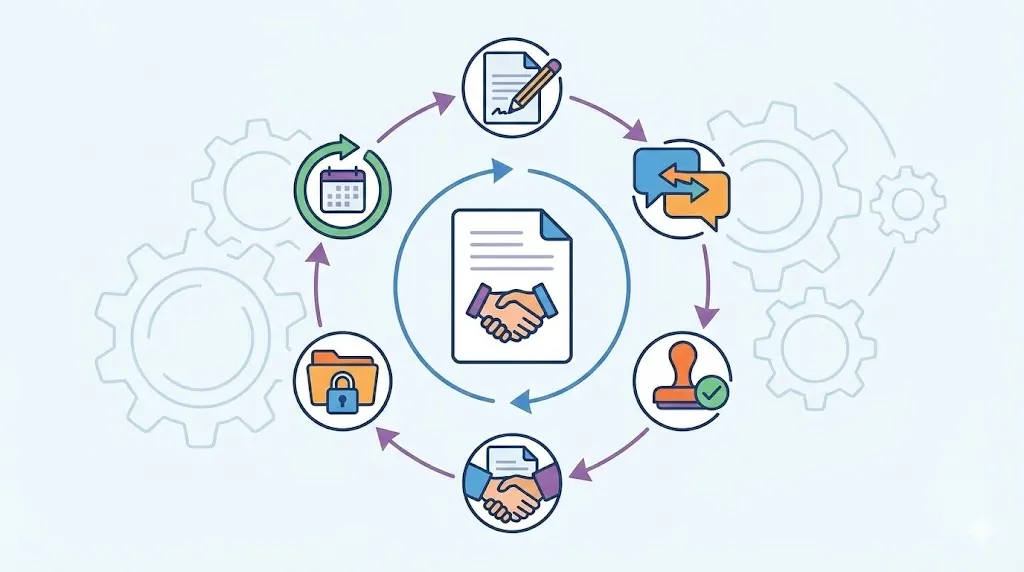
Volody AI CLM is an Agentic AI-powered Contract Lifecycle Management platform designed to eliminate manual contracting tasks, automate complex workflows, and deliver actionable insights. As a one-stop shop for all contract activities, it covers drafting, collaboration, negotiation, approvals, e-signature, compliance tracking, and renewals. Built with enterprise-grade security and no-code configuration, it meets the needs of the most complex global organizations. Volody AI CLM also includes AI-driven contract review and risk analysis, helping teams detect issues early and optimize terms. Trusted by Fortune 500 companies, high-growth startups, and government entities, it transforms contracts into strategic, data-driven business assets.




" height="216.72211px" id="FYO0bO80Y" transform="translate(3 6.105)" width="206.073px"/><path d="M 108.174 222 C 88.432 222 70.303 217.239 53.785 207.717 C 37.267 198.196 24.173 185.052 14.504 168.285 C 4.835 151.312 0 132.165 0 110.845 C 0 89.731 4.835 70.792 14.504 54.025 C 24.173 37.052 37.267 23.804 53.785 14.282 C 70.303 4.761 88.432 0 108.174 0 C 128.116 0 146.246 4.761 162.562 14.282 C 179.08 23.804 192.073 37.052 201.541 54.025 C 211.21 70.792 216.044 89.731 216.044 110.845 C 216.044 132.165 211.21 151.312 201.541 168.285 C 192.073 185.052 179.08 198.196 162.562 207.717 C 146.044 217.239 127.915 222 108.174 222 Z M 108.174 183.189 C 120.864 183.189 132.044 180.291 141.713 174.495 C 151.382 168.492 158.936 160.006 164.375 149.035 C 169.814 138.064 172.533 125.334 172.533 110.845 C 172.533 96.355 169.814 83.729 164.375 72.965 C 158.936 61.994 151.382 53.611 141.713 47.815 C 132.044 42.02 120.864 39.122 108.174 39.122 C 95.483 39.122 84.202 42.02 74.332 47.815 C 64.663 53.611 57.109 61.994 51.67 72.965 C 46.231 83.729 43.511 96.355 43.511 110.845 C 43.511 125.334 46.231 138.064 51.67 149.035 C 57.109 160.006 64.663 168.492 74.332 174.495 C 84.202 180.291 95.483 183.189 108.174 183.189 Z" fill="rgba(255, 255, 255, 0.12)" height="222px" id="aa1McFcE9" transform="translate(227.183 3)" width="216.04399999999998px"/><path d="M 42.302 182.257 L 111.799 182.257 L 111.799 216.722 L 0 216.722 L 0 0 L 42.302 0 Z" fill="rgba(255, 255, 255, 0.12)" height="216.72211px" id="yRq4AnrsX" transform="translate(477.721 6.105)" width="111.79899999999998px"/><path d="M 108.174 222 C 88.432 222 70.303 217.239 53.785 207.717 C 37.267 198.196 24.173 185.052 14.504 168.285 C 4.835 151.312 0 132.165 0 110.845 C 0 89.731 4.835 70.792 14.504 54.025 C 24.173 37.052 37.267 23.804 53.785 14.282 C 70.303 4.761 88.432 0 108.174 0 C 128.116 0 146.246 4.761 162.562 14.282 C 179.08 23.804 192.073 37.052 201.541 54.025 C 211.21 70.792 216.045 89.731 216.045 110.845 C 216.045 132.165 211.21 151.312 201.541 168.285 C 192.073 185.052 179.08 198.196 162.562 207.717 C 146.044 217.239 127.915 222 108.174 222 Z M 108.174 183.189 C 120.864 183.189 132.044 180.291 141.713 174.495 C 151.382 168.492 158.936 160.006 164.375 149.035 C 169.814 138.064 172.534 125.334 172.534 110.845 C 172.534 96.355 169.814 83.729 164.375 72.965 C 158.936 61.994 151.382 53.611 141.713 47.815 C 132.044 42.02 120.864 39.122 108.174 39.122 C 95.483 39.122 84.202 42.02 74.332 47.815 C 64.663 53.611 57.108 61.994 51.67 72.965 C 46.231 83.729 43.511 96.355 43.511 110.845 C 43.511 125.334 46.231 138.064 51.67 149.035 C 57.108 160.006 64.663 168.492 74.332 174.495 C 84.202 180.291 95.483 183.189 108.174 183.189 Z" fill="rgba(255, 255, 255, 0.12)" height="222px" id="mo8HQspQ0" transform="translate(609.155 3)" width="216.04500000000007px"/><path d="M 73.727 0 C 95.885 0 115.324 4.45 132.044 13.351 C 148.967 22.252 161.957 34.982 171.027 51.541 C 180.287 67.894 184.917 86.937 184.917 108.671 C 184.917 130.405 180.287 149.449 171.027 165.801 C 161.957 181.947 148.967 194.47 132.044 203.371 C 115.324 212.271 95.885 216.722 73.727 216.722 L 0 216.722 L 0 0 Z M 72.216 179.773 C 94.374 179.773 111.497 173.564 123.583 161.144 C 135.669 148.724 141.713 131.233 141.713 108.671 C 141.713 86.109 135.669 68.515 123.583 55.888 C 111.497 43.055 94.374 36.638 72.216 36.638 L 42.302 36.638 L 42.302 179.773 Z" fill="rgba(255, 255, 255, 0.12)" height="216.72211px" id="I3iXX5Hi_" transform="translate(859.693 6.105)" width="184.91699999999992px"/><path d="M 185.22 0 L 113.91 141.273 L 113.91 216.722 L 71.61 216.722 L 71.61 141.273 L 0 0 L 47.74 0 L 93.06 99.046 L 138.08 0 Z" fill="rgba(255, 255, 255, 0.12)" height="216.72211px" id="nzHyWC0_d" transform="translate(1061.78 6.105)" width="185.22000000000003px"/></svg>)