

Key Highlights
Effective contract management starts with having clear payment terms to prevent misunderstandings and delays.
A well-defined payment schedule is essential for predictable cash flow management and financial planning.
Understanding standard payment terms, such as Net 30 or Net 60, helps align your business with industry practices.
Including clauses for late payment penalties can encourage clients to pay on time.
Clear payment terms protect your business, reduce disputes, and help maintain positive client relationships.
Customising payment conditions can accommodate specific client needs while safeguarding your financial interests.
Introduction
Well-defined contract payment terms are the foundation of a healthy business relationship. They provide a clear roadmap for when and how you get paid, which is vital for stable cash flow and effective financial planning. Without them, you risk facing payment delays, disputes, and administrative headaches. This guide will walk you through everything you need to know about creating and managing payment terms, helping you improve your contract management and ensure you are compensated on time.
The Basics of Contract Payment Terms

Contract payment terms are the specific conditions that outline how payment will be made for goods or services. These terms set expectations for both parties and form a legally binding part of your agreement. They specify the when, how, and how much of every transaction.
Key elements include the invoice date and the payment due date, which together determine the payment window. Failing to specify these details clearly can lead to late payments and strain on your business. It is also important to define acceptable payment methods and ensure all parties understand the agreed terms from the start.
Defining Payment Terms in Business Contracts
To clearly define payment terms in a contract, you must be specific and avoid vague language. Instead of saying "payment is due upon completion," specify exactly what "completion" means and set a firm deadline. Clear language removes ambiguity and ensures everyone has the same payment expectations.
Your terms should detail the exact amount owed, the currency, and the acceptable payment methods. Outline the entire payment process, from invoicing procedures to the final due date. This proactive approach to contract management prevents confusion down the line and establishes a professional tone for the business relationship.
By setting out these agreed terms, you create a structured financial framework. This includes specifying payment periods, whether it's upon receipt, within 30 days, or based on project milestones. Being thorough at this stage is the best way to protect your financial interests and foster trust.
Why Clear Payment Terms Matter for Timely Payments
Having clear payment terms is crucial for ensuring timely payments and maintaining healthy business operations. Ambiguity is the primary cause of disputes and delayed revenue. When payment expectations are not clearly stated, you are more likely to deal with unpaid invoices and waste time chasing clients for money.
Clear terms directly contribute to better financial health by:
Reducing misunderstandings that lead to late payment fees and payment delays.
Improving cash flow management by making revenue more predictable.
Ultimately, transparency is key. When both parties understand their obligations from the outset, the entire payment process becomes smoother and more efficient. This clarity not only helps you get paid faster but also builds a foundation of trust and professionalism in your business relationships.
Related Article: Building Business Trust: Lessons From Top Companies
Standard Payment Terms Commonly Used in India
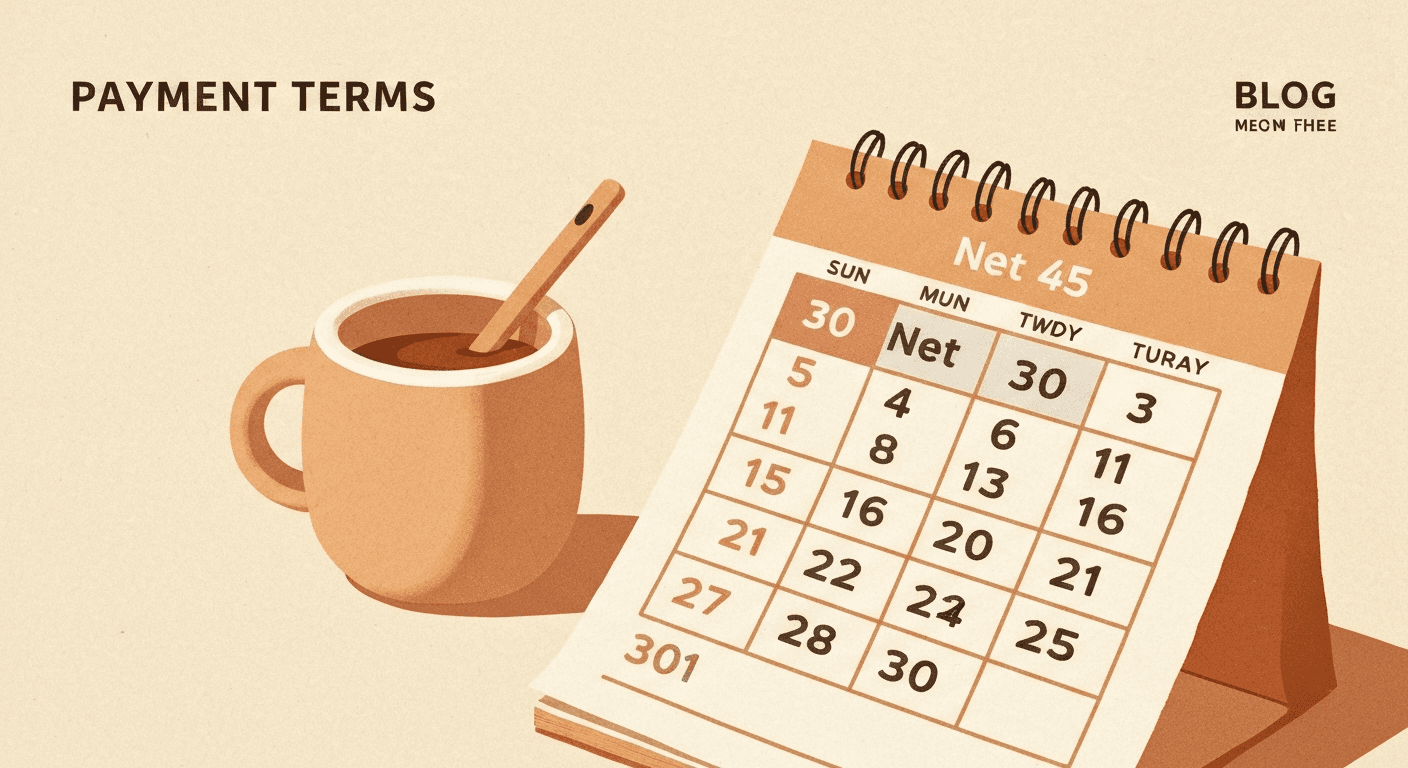
Using standard payment terms helps create predictability in business transactions across India. These terms are widely understood, which means less time is spent on negotiation and there is a lower chance of misunderstandings between you and your clients. They provide a common language for financial agreements.
Different payment periods, such as Net 30 or Net 60, have a direct impact on your cash flow. These terms dictate the number of days a client has to pay from the invoice date. Choosing the right one depends on your industry, your financial needs, and your relationship with the client.
Net 30, Net 45, and Net 60 Explained
Net payment terms define the specific number of days your client has to settle an invoice after it has been issued. The number after "Net" indicates this timeframe. For example, "Net 30" means the full payment is due within 30 days of the invoice date. This is one of the most common terms in B2B transactions.
The main difference between these terms is the length of the payment window. Here is a simple breakdown:
Net Payment Term | Meaning |
|---|---|
Net 30 | Full payment is due within 30 days of the invoice date. |
Net 45 | Full payment is due within 45 days of the invoice date. |
Net 60 | Full payment is due within 60 days of the invoice date. |
While these terms are based on the invoice date, some businesses use variations like "End of Month" (EOM). For instance, "Net 30 EOM" means payment is due 30 days after the end of the month in which the invoice was sent, giving the client a slightly longer period to pay.
Cash on Delivery, Advance Payment, and Other Popular Terms
Beyond net terms, businesses use a variety of other payment methods to manage cash flow and risk. These terms are often chosen based on the nature of the project, the value of the transaction, or the relationship with the client. Exploring different payment options can help you find the best fit for your company.
Here are some other popular payment terms:
Cash on Delivery (COD): The client pays for the goods at the time of delivery, eliminating the risk of non-payment after the fact.
Upfront Payment: A portion or the full amount is paid before any work begins. This is common for custom projects or new clients to cover initial costs.
Letter of Credit: A formal bank document that guarantees the seller will receive payment as long as the terms of the agreement are met. It is often used in international trade.
Each of these payment options offers different levels of security and flexibility. By offering a range of choices, you can better accommodate your clients' needs while still protecting your financial interests and ensuring you get paid.
Key Clauses to Include in Contract Payment Terms
To make your payment terms truly effective, you need to include specific clauses that cover various scenarios. A strong contract goes beyond just stating a due date; it provides a comprehensive framework for the entire payment process, which is a core part of good contract management.
Important clauses to consider are a detailed payment schedule, incentives like early payment discounts, and consequences like late payment penalties. Including details on interest charges for overdue amounts can also serve as a powerful motivator for clients to pay on time.
Payment Schedule and Deadlines
One of the most critical clauses in any contract is the payment schedule. This section should clearly outline all payment deadlines to avoid any confusion. Vague terms can lead to delays, so it is essential to be as specific as possible. Your schedule is the backbone of your payment terms.
The schedule should define how payments are triggered, whether by specific dates or project milestones. Always link the payment due date back to a clear starting point, such as the invoice date or the date of project completion. This creates a clear timeline that both parties can follow.
A well-defined payment schedule protects you in case of non-payment and ensures timely payments. It provides a clear, documented record of what was agreed upon, making it easier to enforce the terms and maintain a healthy cash flow for your business.
Early Payment Discounts and Late Payment Penalties
Incentives and penalties are powerful tools for encouraging prompt payment. An early payment discount offers a small reduction in the total amount if the client pays before the due date, while late payment penalties add a fee for overdue invoices. Both strategies aim to improve your cash flow.
Here is how they typically work:
Early Payment Discount: This is often expressed as "2/10 Net 30," meaning the client can take a 2% discount if they pay within 10 days; otherwise, the full amount is due in 30 days.
Late Payment Penalties: These are usually a percentage of the overdue amount, such as 1.5% interest per month. It is good practice to send payment reminders before applying these penalties.
When setting interest rates for late payments, ensure they are reasonable and comply with local laws. Excessively high penalties may not be legally enforceable and could damage your relationship with the client. The goal is to encourage timely payment, not to create a dispute.
Drafting and Customising Payment Terms in Contracts
Drafting effective payment terms requires more than just copying a template. It involves tailoring the clauses to fit your business needs and the specific context of each agreement. Good contract management means creating clear terms that are both fair and enforceable.
When customising your payment conditions, it is important to balance your cash flow needs with industry standards and client expectations. This thoughtful approach helps build stronger relationships and reduces the risk of future disputes, ensuring a smoother transaction for everyone involved.
Aligning Terms with Industry Practices
When negotiating payment terms, it is crucial to understand the common practices within your industry. Payment expectations can vary significantly from one sector to another. For example, the construction industry often uses longer payment periods like Net 60 or Net 90, while SaaS companies typically require upfront or monthly payments.
Researching industry standards before you draft a contract gives you a stronger negotiating position. If your proposed terms are aligned with what is considered normal, clients are more likely to accept them without pushback. This helps streamline the contract process and sets a professional tone.
By starting with standard payment terms as a baseline, you can negotiate from a place of confidence. This alignment shows that you understand the market and are proposing fair payment periods, which can make it easier to secure favourable terms for your business.
Tailoring Payment Clauses to Specific Client Needs
While standard terms are a good starting point, flexibility can be a powerful tool for building strong client relationships. Tailoring payment clauses to meet the specific needs of a high-value or long-term client can foster loyalty and encourage future business. This shows that you are willing to work as a partner.
You can customise payment clauses in several ways:
Adjusting the payment schedule to align with the client’s budget cycles.
Offering a variety of payment options to accommodate their internal processes.
This level of customisation helps you meet client payment expectations and can lead to more predictable payments for your business. By being flexible, you not only improve the relationship but also support more accurate cash flow forecasting, which benefits both parties in the long run.
Best Practices for Setting Payment Schedules for Contractors
For contractors, a clear and fair payment schedule is essential for maintaining predictable cash flow. Without it, you could face long gaps between payments, making it difficult to manage your expenses and stay financially stable throughout a project.
Effective contract management involves choosing the right payment structure. The two most common approaches are milestone payments, which are tied to project progress, and fixed schedules, which involve regular payments. Understanding the pros and cons of each will help you select the best option.
Milestone-Based Payments vs Fixed Schedules
Choosing between milestone-based payments and a fixed payment schedule depends on the nature of your project. Milestone payments are tied to specific, measurable achievements, while fixed schedules provide payments at regular intervals, such as weekly or monthly.
Here is a comparison of the two structures:
Payment Structure | Description | Best For |
|---|---|---|
Milestone Payments | Payments are made upon the completion of predefined project stages. | Long-term projects with clear, distinct phases. |
Fixed Payment Schedule | Payments are made on a recurring basis (e.g., every month). | Ongoing services or projects where milestones are hard to define. |
Milestone payments are excellent for tying compensation directly to project completion, which can motivate progress. On the other hand, a fixed schedule offers the benefit of a steady cash flow, making it easier to manage your finances during a lengthy engagement. Good contract management means picking the structure that best fits the work.
Flexibility and Negotiation Tips
Successful negotiation is key to establishing favourable payment terms. Do not be afraid to discuss your needs with the client. A collaborative approach often leads to a better outcome than simply accepting the first offer. Your goal is to find a middle ground that works for both parties.
To improve your negotiation position, consider these tips:
Demonstrate flexibility by proposing different payment options that still meet your cash flow needs.
Include a clear dispute resolution clause in the contract to handle any disagreements professionally.
Ultimately, negotiation is about communication and compromise. By being prepared and open to discussion, you can reach mutually agreed terms that protect your interests while maintaining a positive relationship with your client. This proactive approach helps prevent future conflicts.
Common Risks if Payment Terms Are Not Clearly Stated
Failing to state your payment terms clearly can expose your business to significant risks. Ambiguity in contracts is a leading cause of disputes and financial instability. Without clear payment terms, you are operating on assumptions, which can be a costly mistake.
The most common risks include frequent payment delays, which disrupt your cash flow, and difficulties with legal enforcement if a client refuses to pay. A lack of clarity also makes it nearly impossible to forecast your accurate cash flow, leaving your business in a vulnerable position.
Misunderstandings Leading to Delays
The biggest risk of unclear payment terms is the potential for misunderstandings that result in payment delays. When terms are vague, both you and your client might have different ideas about when payment is due. This confusion is a direct path to late payments.
Common misunderstandings often arise from:
Different interpretations of terms like "upon completion" or "in a reasonable time."
Uncertainty over how to handle unpaid invoices and when late payment penalties apply.
These issues can strain client relationships and force you to spend valuable time chasing payments. By being specific and clear from the start, you can prevent these misunderstandings and create a smooth process that encourages timely payments. Clarity is your best defence against delays.
Impact on Legal Enforcement and Cash Flow
Unclear payment terms have a serious impact on both legal enforcement and your cash flow. If a dispute arises over an unpaid invoice, vague language in your contract will weaken your position. It is much harder to legally enforce payment penalties or collect what you are owed without specific, agreed-upon terms.
From a financial perspective, a lack of clarity leads to unpredictable revenue. Overdue payments disrupt your cash flow and make it challenging to manage your business expenses. This instability prevents accurate cash flow forecasting, putting your company's financial health at risk.
In short, ambiguous terms create a domino effect of problems. They make it difficult to resolve disputes, damage your ability to plan financially, and leave your business vulnerable to non-payment. This is why investing time in creating clear, enforceable terms is so important.
Real-World Examples of Payment Term Clauses
Seeing real-world examples of payment clauses can make it much easier to draft your own. These examples provide a practical template that you can adapt to fit your specific needs, helping you create clear and effective terms for your contracts.
The following sections will provide sample payment clauses for both sales and purchase contracts. These examples demonstrate how to structure your invoice payment terms, define the payment due date, and improve your overall contract management.
Sales Contract Clauses
When drafting a sales contract, your payment terms should be straightforward and easy to understand. The goal is to ensure you get paid promptly for the goods or services you have delivered. A well-written clause leaves no room for confusion.
Here is an example of a payment clause for a sales contract: "Full payment is due within 30 days of the invoice date. Acceptable payment methods include bank transfer and all major credit cards. Please note that credit card payments may be subject to a 2% processing fee. Late payments will incur an interest charge of 1.5% per month on the outstanding balance."
This clause works well because it is specific. It clearly states when the payment is due, lists the accepted payment methods, and outlines the consequences of late payment. This level of detail helps prevent disputes and encourages timely compensation.
Purchase Contract Clauses
In a purchase contract, payment terms are often structured around the delivery of goods. You might want to link payments to specific events in the procurement process to manage risk and ensure you receive what you paid for. This approach provides security for the buyer.
Here is a sample clause for a purchase contract: "The total invoice amount is payable via bank transfer according to the following payment schedule: 50% of the total amount is due upon signing this contract, and the remaining 50% is due upon successful delivery and acceptance of the goods. All invoices must reference the corresponding purchase order number to be processed."
This clause is effective because it breaks the payment into stages, reducing risk for the buyer. The clear payment schedule and requirement for a purchase order number ensure that payments are made correctly and on time, making the entire process more organised.
Frequently Asked Questions (FAQ)
Understanding contract payment terms can help in forging strong business relationships. Common queries often revolve around payment due dates and acceptable payment methods. Many small businesses fear late payments and payment delays, which can disrupt their cash flow. Questions about early payment discounts and payment penalties are also frequent. Knowing what to expect regarding payment conditions will enable better financial planning. Clear payment terms ensure that everyone understands when payments are due, minimising disputes and encouraging prompt payments.
How do I change payment terms for an existing client?
To change payment terms for an existing client, you must communicate the proposed changes clearly and provide at least 30 days' notice. Any adjustments require negotiation and mutual agreement. Once new agreed terms are reached, document them in a formal contract amendment to ensure they are legally binding.
What is the difference between Net 30 and Net 60?
The difference between Net 30 and Net 60 is the length of the payment window. With Net 30, the full contract payment is due within 30 days of the invoice date. Net 60 extends this payment due date to 60 days, giving the client a longer period to pay.
Are payment terms legally binding?
Yes, payment terms included in a signed contract are legally binding. They form a core part of the agreement by setting clear payment expectations and defining the payment due date. Proper contract management ensures these terms are enforceable if a dispute arises, protecting both parties involved in the transaction.
Conclusion
In conclusion, understanding contract payment terms is essential for fostering clarity and trust in business relationships. Clear payment terms not only facilitate timely payments but also mitigate misunderstandings that could otherwise lead to delays or disputes. By defining key clauses, adopting best practices, and tailoring payment schedules to specific client needs, you can ensure that your contracts are effective and enforceable. Whether you're drafting a sales or purchase contract, the importance of well-articulated payment terms cannot be overstated. Take the time to review and refine your payment clauses, as this will undoubtedly contribute to smoother transactions and stronger partnerships in the long run. If you have questions about your own payment terms, feel free to reach out for assistance.
About the Company

Volody AI CLM is an Agentic AI-powered Contract Lifecycle Management platform designed to eliminate manual contracting tasks, automate complex workflows, and deliver actionable insights. As a one-stop shop for all contract activities, it covers drafting, collaboration, negotiation, approvals, e-signature, compliance tracking, and renewals. Built with enterprise-grade security and no-code configuration, it meets the needs of the most complex global organizations. Volody AI CLM also includes AI-driven contract review and risk analysis, helping teams detect issues early and optimize terms. Trusted by Fortune 500 companies, high-growth startups, and government entities, it transforms contracts into strategic, data-driven business assets.




" height="216.72211px" id="FYO0bO80Y" transform="translate(3 6.105)" width="206.073px"/><path d="M 108.174 222 C 88.432 222 70.303 217.239 53.785 207.717 C 37.267 198.196 24.173 185.052 14.504 168.285 C 4.835 151.312 0 132.165 0 110.845 C 0 89.731 4.835 70.792 14.504 54.025 C 24.173 37.052 37.267 23.804 53.785 14.282 C 70.303 4.761 88.432 0 108.174 0 C 128.116 0 146.246 4.761 162.562 14.282 C 179.08 23.804 192.073 37.052 201.541 54.025 C 211.21 70.792 216.044 89.731 216.044 110.845 C 216.044 132.165 211.21 151.312 201.541 168.285 C 192.073 185.052 179.08 198.196 162.562 207.717 C 146.044 217.239 127.915 222 108.174 222 Z M 108.174 183.189 C 120.864 183.189 132.044 180.291 141.713 174.495 C 151.382 168.492 158.936 160.006 164.375 149.035 C 169.814 138.064 172.533 125.334 172.533 110.845 C 172.533 96.355 169.814 83.729 164.375 72.965 C 158.936 61.994 151.382 53.611 141.713 47.815 C 132.044 42.02 120.864 39.122 108.174 39.122 C 95.483 39.122 84.202 42.02 74.332 47.815 C 64.663 53.611 57.109 61.994 51.67 72.965 C 46.231 83.729 43.511 96.355 43.511 110.845 C 43.511 125.334 46.231 138.064 51.67 149.035 C 57.109 160.006 64.663 168.492 74.332 174.495 C 84.202 180.291 95.483 183.189 108.174 183.189 Z" fill="rgba(255, 255, 255, 0.12)" height="222px" id="aa1McFcE9" transform="translate(227.183 3)" width="216.04399999999998px"/><path d="M 42.302 182.257 L 111.799 182.257 L 111.799 216.722 L 0 216.722 L 0 0 L 42.302 0 Z" fill="rgba(255, 255, 255, 0.12)" height="216.72211px" id="yRq4AnrsX" transform="translate(477.721 6.105)" width="111.79899999999998px"/><path d="M 108.174 222 C 88.432 222 70.303 217.239 53.785 207.717 C 37.267 198.196 24.173 185.052 14.504 168.285 C 4.835 151.312 0 132.165 0 110.845 C 0 89.731 4.835 70.792 14.504 54.025 C 24.173 37.052 37.267 23.804 53.785 14.282 C 70.303 4.761 88.432 0 108.174 0 C 128.116 0 146.246 4.761 162.562 14.282 C 179.08 23.804 192.073 37.052 201.541 54.025 C 211.21 70.792 216.045 89.731 216.045 110.845 C 216.045 132.165 211.21 151.312 201.541 168.285 C 192.073 185.052 179.08 198.196 162.562 207.717 C 146.044 217.239 127.915 222 108.174 222 Z M 108.174 183.189 C 120.864 183.189 132.044 180.291 141.713 174.495 C 151.382 168.492 158.936 160.006 164.375 149.035 C 169.814 138.064 172.534 125.334 172.534 110.845 C 172.534 96.355 169.814 83.729 164.375 72.965 C 158.936 61.994 151.382 53.611 141.713 47.815 C 132.044 42.02 120.864 39.122 108.174 39.122 C 95.483 39.122 84.202 42.02 74.332 47.815 C 64.663 53.611 57.108 61.994 51.67 72.965 C 46.231 83.729 43.511 96.355 43.511 110.845 C 43.511 125.334 46.231 138.064 51.67 149.035 C 57.108 160.006 64.663 168.492 74.332 174.495 C 84.202 180.291 95.483 183.189 108.174 183.189 Z" fill="rgba(255, 255, 255, 0.12)" height="222px" id="mo8HQspQ0" transform="translate(609.155 3)" width="216.04500000000007px"/><path d="M 73.727 0 C 95.885 0 115.324 4.45 132.044 13.351 C 148.967 22.252 161.957 34.982 171.027 51.541 C 180.287 67.894 184.917 86.937 184.917 108.671 C 184.917 130.405 180.287 149.449 171.027 165.801 C 161.957 181.947 148.967 194.47 132.044 203.371 C 115.324 212.271 95.885 216.722 73.727 216.722 L 0 216.722 L 0 0 Z M 72.216 179.773 C 94.374 179.773 111.497 173.564 123.583 161.144 C 135.669 148.724 141.713 131.233 141.713 108.671 C 141.713 86.109 135.669 68.515 123.583 55.888 C 111.497 43.055 94.374 36.638 72.216 36.638 L 42.302 36.638 L 42.302 179.773 Z" fill="rgba(255, 255, 255, 0.12)" height="216.72211px" id="I3iXX5Hi_" transform="translate(859.693 6.105)" width="184.91699999999992px"/><path d="M 185.22 0 L 113.91 141.273 L 113.91 216.722 L 71.61 216.722 L 71.61 141.273 L 0 0 L 47.74 0 L 93.06 99.046 L 138.08 0 Z" fill="rgba(255, 255, 255, 0.12)" height="216.72211px" id="nzHyWC0_d" transform="translate(1061.78 6.105)" width="185.22000000000003px"/></svg>)