

Welcome to the world of contract negotiation, a fundamental aspect of any business deal. It is the structured negotiation process where parties discuss and refine contract terms to create an agreement that benefits everyone involved. More than just a formality, this process is an opportunity to strengthen business relationships, protect your interests, and add significant value. Understanding how to navigate these discussions effectively can be the difference between a good deal and a great one.
Understanding Contract Negotiation

Contract negotiation is the dialogue that happens between two or more parties before a contract is signed. The primary goal is to finalise all the contract terms, ensuring they are clear, fair, and acceptable to everyone. This process requires sharp negotiation skills and a clear understanding of your objectives.
An effective negotiation sets the foundation for a successful partnership. The contract negotiation process allows you to clarify expectations, define responsibilities, and prevent future disputes. It transforms a standard agreement into a tailored document that aligns with your specific business needs.
Definition of Contract Negotiation
Contract negotiation is the formal process of discussion between parties to agree on the contents of a contract. This back-and-forth deliberation aims to create a legally binding document that outlines the rights and obligations of everyone involved. It is a critical stage where you can shape the terms of your business relationships.
The core purpose is to reach a mutual agreement on all contract terms. This requires clear communication and a willingness to compromise. Each party presents its desired outcomes, discusses potential points of friction, and works towards a resolution that meets its needs without unfairly disadvantaging the other.
A successful negotiation process often involves input from legal counsel to ensure all terms are enforceable and compliant. By carefully discussing and finalising the details, you establish a solid framework for your partnership, which helps minimise the risk of future misunderstandings or conflicts.
Key Elements Involved in Negotiations
Every negotiation revolves around several key elements that form the heart of the agreement. These are the specific contract terms that parties must discuss and agree upon to ensure clarity and mutual satisfaction. Strong negotiation skills are essential to navigate these discussions effectively.
Understanding these components allows you to prepare thoroughly and focus on what truly matters. Whether you are defining the scope of work or discussing payment terms, each element plays a crucial role in shaping the final contract and the future business relationship.
Commonly negotiated elements include:
Scope of Work: Defines the specific tasks, deliverables, and responsibilities.
Pricing and Payment Terms: Covers total cost, payment schedules, and any penalties.
Liabilities and Indemnification: Outlines responsibility for losses or damages.
Dispute Resolution: Establishes the process for handling disagreements.
Legal Requirements: Ensures the contract adheres to governing laws.
Importance of Contract Negotiation in Business

Effective contract negotiation is more than just a procedural step; it is a strategic activity that directly impacts your business's success. A well-thought-out negotiation strategy can help you build a strong business relationship from the very beginning, setting a cooperative tone for future interactions.
Furthermore, strong contract negotiation skills are your first line of defence against potential risks. By carefully discussing and defining terms, you can protect your organisation from future disputes, clarify expectations, and ensure the agreement is mutually beneficial, safeguarding your interests and resources.
Impact on Business Relationships
The negotiation process is often the first significant interaction you have with a new business partner, and it sets the tone for the entire business relationship. Approaching negotiations with a collaborative mindset, rather than an adversarial one, fosters trust and shows that you are committed to a mutually beneficial partnership.
Open communication is key during this phase. When both parties feel heard and respected, it establishes a foundation of goodwill. This initial positive experience can make future collaborations smoother and encourages a more cooperative approach to problem-solving if issues arise later in the contract lifecycle.
Ultimately, a positive negotiation experience can lead to stronger, long-term relationships. Good contract management practices that begin with a fair and transparent negotiation process help ensure that both parties are satisfied with the outcome, paving the way for continued success and partnership.
Role in Risk Mitigation
Mitigating risks is a key function of contract negotiation. A well-planned strategy helps identify and address ambiguities or unfavourable terms before they become binding, protecting your organization from future liabilities.
Negotiation clarifies responsibilities, sets performance standards, and defines breaches, preventing costly disputes through clear safeguards in the agreement.
Including dispute resolution clauses, such as mediation or arbitration, offers a structured way to resolve conflicts without litigation. By anticipating potential issues, you create contracts that support business goals while minimising risk.
Contribution to Profitability and Growth
Effective contract negotiation directly impacts your company's bottom line. Securing better terms—such as favourable pricing, payment schedules, or delivery timelines—results in cost savings and improved cash flow. Every concession boosts profitability.
Aligning contracts with business objectives is essential for long-term growth. A well-negotiated agreement supports strategic goals, whether expanding markets, securing supply chains, or protecting intellectual property, turning a simple contract into a growth tool.
By focusing on value during negotiations, you create agreements that enhance economic value and strengthen your financial position, making the process highly worthwhile.
Related Article: Overcome Top 5 Contract Management Challenges with Ease
Common Types of Contract Negotiation

Contract negotiations come in many forms, each with its own set of considerations and strategies. From agreements with suppliers to partnerships with other companies, the nature of the relationship dictates the focus of the business negotiations. Understanding these differences is key to success.
Whether you are dealing with vendor contracts or employment agreements, each type of negotiation is a distinct stage in the contract lifecycle. Using tools like contract management software can help manage the unique requirements of each, ensuring that all your agreements are handled efficiently and effectively.
Business-to-Business Agreements
Business-to-business (B2B) agreements are contracts between companies, such as joint ventures, partnerships, or sales deals. These negotiations aim to establish a collaborative framework that benefits both parties, focusing on long-term value and mutual growth.
Successful B2B negotiations require a clear understanding of both sides' objectives and often involve creative solutions beyond just price. For example, a software firm might secure a multi-year subscription by offering bespoke features, ensuring ongoing revenue while meeting the client's needs.
The goal is to achieve favourable terms for both partners. Building a cooperative foundation during negotiations paves the way for a lasting partnership where both sides feel they have gained.
Vendor and Supplier Contracts
Negotiating vendor contracts is essential for managing your supply chain effectively and controlling costs. These agreements with suppliers define terms for pricing, delivery schedules, quality standards, and service levels. The primary goal is to secure reliable and cost-effective resources for your business.
Contract negotiation strategies for vendor contracts often focus on balancing cost with quality and reliability. You might negotiate for bulk discounts, longer payment terms, or stricter performance metrics to ensure the supplier meets your expectations. The aim is to create a negotiated agreement that protects your operations from disruptions.
For instance, a manufacturing company might negotiate a clause that penalises a supplier for late deliveries to prevent production delays. How you approach these discussions can differ based on the vendor's importance to your supply chain; you may be more flexible with a sole supplier to maintain a good relationship.
Employment and Service Contracts
Employment and service contracts define the terms of a working relationship, whether with an individual employee or a service provider. When negotiating an employment contract, discussions typically centre on salary, benefits, job responsibilities, and termination clauses. The goal is to attract and retain talent while protecting the company's interests.
For service contracts, negotiations focus on the scope of work, deliverables, timelines, and payment. Defining service levels is particularly important to ensure you receive the quality of service you expect. For example, you might negotiate specific uptime guarantees in a contract with an IT service provider.
In both cases, clarity is crucial to avoid future disputes. A well-negotiated contract clearly outlines expectations for all parties, helping to foster a positive and productive working relationship. Taking the time to negotiate these details can help you secure better deals and prevent misunderstandings down the line.
Related Article: How to use AI for Contract Management: An Effective Guide
Key Steps in the Contract Negotiation Process

The contract negotiation process follows a structured path from initial preparation to the final signature. Understanding these key steps allows you to approach negotiations systematically, ensuring no critical details are overlooked. A well-defined negotiation strategy is your roadmap through this journey.
Effective contract lifecycle management depends on navigating each stage of this process with care. From the moment you begin discussions to the point where you track changes and finalize the agreement, each step builds upon the last to create a solid and enforceable contract.
Initial Assessment and Preparation
Thorough preparation is the cornerstone of any successful negotiation process. Before you even enter the room, you need a clear understanding of your goals, priorities, and non-negotiables. This initial phase involves research, planning, and gathering all necessary information.
Start by assessing your needs and what you hope to achieve from the agreement. Research market rates, industry standards, and the other party's background and typical terms. This intelligence will strengthen your position and help you set realistic expectations. Utilising contract templates can also provide a solid starting point for your draft.
Effective contract management begins here. By preparing diligently, you can anticipate potential sticking points and develop a strategy to address them. This groundwork empowers you to navigate the negotiation with confidence and purpose, setting the stage for a favourable outcome.
Determining Objectives and Outcomes
Once you have done your initial preparation, the next step is to clearly define your objectives. What does a successful outcome look like for your business? Your negotiation strategy should be directly aligned with your broader business objectives, ensuring the contract supports your long-term goals.
It is equally important to consider the other party’s needs. A successful negotiation is not about winning at all costs but about reaching a mutual understanding. By identifying areas of common interest, you can find opportunities for win-win solutions that satisfy both sides.
Before negotiations begin, prioritize your objectives. Identify which terms are "must-haves" and which are "nice-to-haves." This clarity will help you decide where you can be flexible and where you need to stand firm, guiding your decisions throughout the negotiation process.
Conducting Negotiation Meetings
The negotiation meeting is where your preparation pays off. The key to a productive discussion is to maintain a professional and respectful demeanor, fostering an environment of open communication. This helps keep the negotiation process collaborative rather than confrontational.
Active listening is one of the most powerful tools you can use. Pay close attention to what the other negotiating parties are saying, as well as what they are not saying. This will reveal their priorities and concerns, allowing you to tailor your proposals and find common ground more easily.
Clearly articulate your position and the reasoning behind it, but also be open to hearing the other side's perspective. The goal is to guide the conversation towards your key objectives while remaining flexible enough to explore creative solutions. A successful meeting moves both parties closer to a mutually acceptable agreement.
Drafting the Agreement
After reaching a verbal agreement on the key points, the next step is to draft the written contract. This is a critical stage where the agreed-upon contract terms are translated into formal, legally sound language. Being the first to draft the agreement can give you an advantage by setting the framework for the final document.
This process often involves your legal team to ensure all clauses, especially those related to intellectual property, liability, and compliance, are clearly and correctly worded. The draft should accurately reflect the discussions and leave no room for ambiguity.
Using a contract management solution can streamline this process. These platforms often provide approved templates and clause libraries, helping you create a comprehensive and compliant draft efficiently. This ensures that the momentum from the negotiation is carried through to the formalization of the agreement.
Reviewing and Finalising Terms
Once the draft is complete, it enters the review stage. Both parties must carefully examine all contract terms to ensure they align with the verbal agreements and meet their needs. This is the final opportunity to catch any errors or unclear language before the contract is signed.
It is wise to seek legal advice during this review, especially for complex agreements. A lawyer can help identify potential risks or unfavourable clauses you might have missed. Tools that track changes are invaluable here, as they provide a clear record of all redlines and revisions, ensuring everyone is on the same page.
After all parties have reviewed and approved the terms, the contract is ready for finalisation and signing. This careful review process not only ensures the current agreement is solid but also sets a positive precedent for any future negotiations you may have with the other party.
Related Article: What is Good Faith in Contract Negotiations? Unlock Success
Essential Strategies for Successful Negotiations

A successful negotiation does not just happen; it is the result of a well-planned negotiation strategy. By following best practices and honing your contract negotiation skills, you can consistently achieve better outcomes. A strategic approach empowers you to control the conversation and guide it towards a favourable deal.
Effective strategies go beyond just knowing what you want. They involve understanding the other party, identifying opportunities for mutual gain, and knowing when to make concessions. Mastering these skills will transform your negotiations from stressful confrontations into productive collaborations.
Strategy Planning Before Negotiation
Developing a solid negotiation strategy begins with thorough preparation. Before any discussion takes place, you need a clear plan of action. This involves researching the other party, understanding current market conditions, and defining your own objectives and limits.
Your strategy should outline your ideal outcome, your walk-away point, and potential areas for compromise. Consider the different contract terms and rank them by importance. This will help you stay focused on what matters most and avoid getting sidetracked by minor issues during the negotiation.
Anticipating the other party's priorities and potential objections is also a key part of your planning. By thinking through their perspective, you can prepare counter-arguments and creative solutions in advance. This level of preparation will give you a significant advantage at the negotiating table.
Win-Win Approaches
The most sustainable agreements are those where both parties feel they have won. A win-win approach focuses on finding common ground and creating value for everyone involved, rather than viewing the negotiation as a battle to be won. This requires a shift in mindset from competition to collaboration.
The key is to look for creative solutions that address both parties' underlying interests. Instead of getting stuck on opposing positions, explore different options to find a middle ground. A good faith effort to achieve mutual understanding can unlock possibilities that were not initially obvious.
Some ways to achieve a win-win outcome include:
Focusing on interests, not positions.
Generating a variety of options before deciding what to do.
Insisting that the result be based on some objective standard.
Separating the people from the problem.
Use of Leverage and Bargaining Strength
Leverage is your power to influence the other party in a negotiation. Understanding your bargaining strength and knowing how to use it is crucial for an effective negotiation. Leverage can come from various sources, such as having a strong best alternative to a negotiated agreement (BATNA), possessing unique value, or facing a deadline that affects the other party more than you.
To build leverage, you need to prepare thoroughly. Research your market position, know your competition, and understand the other party's needs and weaknesses. The more you know, the better you can position your offer and justify your terms. This preparation strengthens your hand and allows you to negotiate from a position of confidence.
Using leverage wisely is about persuasion, not pressure. The goal is to guide the other party towards seeing the value in your proposal and agreeing to favourable terms. It is a delicate balance of demonstrating your strength without creating a hostile environment that could derail the deal.
Techniques for Effective Contract Negotiation
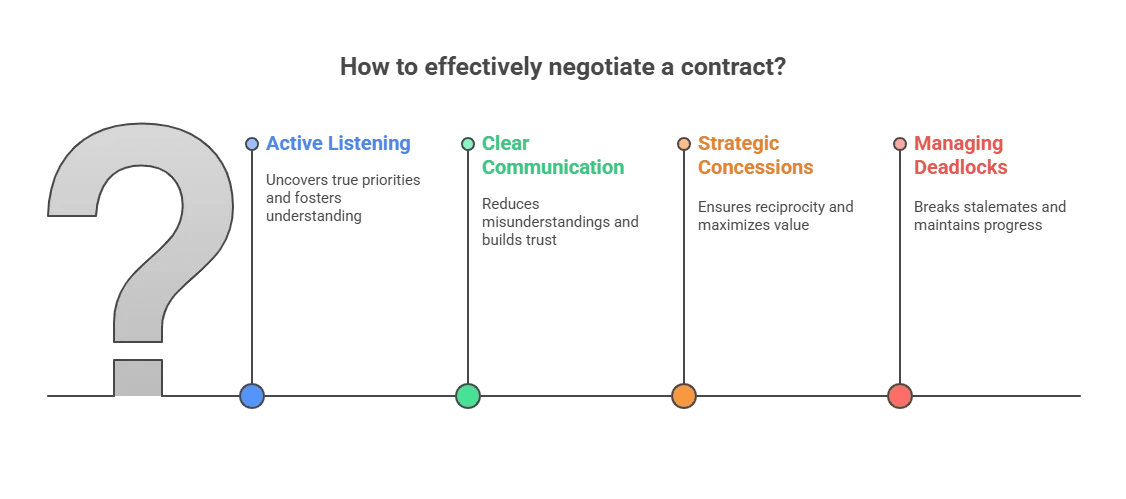
Beyond strategy, specific negotiation techniques can significantly improve your chances of success. An effective negotiation relies on your ability to communicate clearly, understand the other party's perspective, and navigate challenging moments. Mastering these techniques is what separates good negotiators from great ones.
Techniques like active listening, making strategic concessions, and finding creative solutions are practical skills you can apply in any negotiation. These tools help you build rapport, break through deadlocks, and ultimately guide the conversation towards a mutually beneficial agreement.
Active Listening and Clear Communication
One of the most vital negotiation skills is active listening. This means going beyond simply hearing the words; it involves paying close attention to the other party's tone, body language, and the underlying meaning behind their statements. Active listening helps you uncover their true priorities and concerns.
Clear communication is the other side of the coin. You must be able to articulate your own position, interests, and proposals concisely and without ambiguity. This fosters open communication and reduces the risk of misunderstandings that can derail a negotiation.
To improve these skills, you can:
Paraphrase what you hear to confirm your understanding.
Ask open-ended questions to encourage the other party to share more information.
Avoid jargon and use simple, direct language.
Pay attention to non-verbal cues.
Strategic Concessions
Making concessions is a natural part of most negotiations, but it should always be done strategically. One of the most important negotiation techniques is to never give something away without getting something in return. This principle of reciprocity ensures that you are trading, not surrendering.
The best concessions are those that are of high value to the other party but of low cost to you. By understanding the other side's priorities, you can identify opportunities to make such trades. This approach allows you to find a middle ground and move the negotiation forward without sacrificing your core interests.
Thinking about concessions in advance can help you secure better terms. Plan your potential trade-offs and rank them. This preparation allows you to offer creative solutions when discussions stall, turning a potential sticking point into an opportunity to strengthen the deal.
Managing Deadlocks and Stalemates
Even with the best preparation, negotiations can sometimes hit a deadlock. When both parties are unwilling to budge, it is important to have techniques to break the stalemate without damaging the relationship. The first step is often to take a break, allowing emotions to cool and giving both sides time to reflect.
When you reconvene, try to reframe the issue. Look for the underlying interests behind the stated positions and explore alternative solutions that might meet those interests. Bringing in a neutral third party, like a mediator, is another option for dispute resolution if you are unable to find a path forward on your own.
Remember that the goal is to keep the negotiation process moving. How you handle a stalemate can impact not only the current deal but also any future negotiations. By remaining calm, creative, and focused on problem-solving, you can often turn a deadlock into a breakthrough.
Preparing for a Contract Negotiation

Thorough preparation is the single most important factor in a successful negotiation. Walking into a discussion unprepared is a recipe for a poor outcome. Your preparation should include developing a clear negotiation strategy, understanding your objectives, and anticipating the other party's position.
Improving your contract negotiation skills starts with this foundational work. It involves doing your homework, collating all necessary documents, and setting realistic goals. Seeking input from legal counsel during this stage can also provide valuable insights and help you avoid potential pitfalls.
Researching the Other Party
A key component of thorough preparation is researching the other party. Understanding who you are negotiating with gives you a significant advantage. This research should go beyond their company's public profile; try to learn about their negotiation style, past deals, and business priorities.
Investigate current market conditions and how they might affect the other party's position. Are they under pressure to close a deal quickly? Do they have other options? This information can reveal their potential weaknesses and areas where you might have more leverage. Your legal team can also help research any past litigation or legal issues.
Knowing the negotiating parties on a deeper level allows you to tailor your approach. You can anticipate their arguments, understand their motivations, and build rapport more easily. This deep-seated knowledge is a powerful tool that helps you navigate the conversation with greater confidence and strategic insight.
Collating Required Documentation
Having all your documentation in order is a critical part of preparation. Before negotiations begin, gather all relevant materials, including any previous contracts, correspondence, and data that supports your position. This ensures you have all the information you need at your fingertips.
Start with a draft of the contract, even if it is just based on standard contract templates. This document will serve as the foundation for discussion and allows you to frame the initial contract terms. Having a clear scope of work defined from the outset can also prevent confusion later.
Organizing your documents in a way that is easy to access and share is crucial. Using a system that can track changes will be invaluable once negotiations are underway, as it provides a clear audit trail of all revisions. Being organized demonstrates professionalism and helps the process run more smoothly.
Setting Realistic Expectations
Part of a strong negotiation strategy is setting realistic expectations for the outcome. While it is important to aim high, being unrealistic can lead to frustration and a failed negotiation. Your expectations should be grounded in your research of market rates, the other party’s needs, and your own business objectives.
Define your Best Alternative to a Negotiated Agreement (BATNA). This is your most advantageous course of action if negotiations fail. Knowing your BATNA gives you a clear walk-away point and prevents you from accepting a deal that is worse than your alternative.
A successful negotiation is one that meets the core needs of both parties. By understanding your own limits and the other party's likely position, you can set achievable goals. This realistic approach allows you to negotiate from a position of strength and increases the likelihood of reaching a satisfactory agreement.
Common Challenges During Negotiation

The negotiation process is rarely a straight line to "yes." You are likely to encounter challenges that can test your patience and skill. From ambiguous terms to power imbalances, being aware of these common hurdles is the first step to overcoming them and mitigating potential risks.
These challenges can stall the negotiation process and, if not handled correctly, can lead to unfavourable agreements or even failed deals. Having strategies in place for dispute resolution and knowing when to consult your legal team are essential for navigating these difficult moments.
Dealing with Ambiguity and Complex Terms
One of the most common challenges in negotiation is dealing with ambiguous terms. Vague or poorly defined language in a contract can lead to serious misunderstandings and disputes down the road. It is crucial to address any ambiguity and ensure all contract terms are crystal clear.
Clauses related to complex issues like intellectual property rights, liability, and indemnification are often sources of confusion. Do not hesitate to ask for clarification or suggest simpler, more direct language. It is better to spend extra time clarifying terms now than to deal with a costly conflict later.
When faced with ambiguous terms, it is always a good idea to involve your legal counsel. They can help you interpret complex legal language and propose revisions that protect your interests. The goal is to create a contract that is precise and easily understood by all parties.
Resolving Cultural and Industry-Specific Differences
When negotiating with business partners from different cultural backgrounds or industries, you may encounter varying communication styles and business customs. What is considered standard practice in your industry might be unusual in theirs. These differences can create misunderstandings if not managed carefully.
Strong negotiation skills include the ability to adapt to these variations. Research the other party's cultural norms and industry practices before the negotiation. For example, some cultures may prefer a more indirect communication style, while others value directness. Awareness of these nuances can help you build rapport.
Flexibility and an open mind are key. Be respectful of their customs and be prepared to adjust your approach. Effective contract management involves recognising how market conditions and cultural context can influence negotiations, allowing you to bridge gaps and find common ground with your business partners.
Handling Power Imbalances
A power imbalance occurs when one party has a stronger negotiation position than the other. This can happen when a small business negotiates with a large corporation. The weaker party may feel pressured to accept unfavourable terms, but there are strategies to counteract this.
Your negotiation strategy should focus on building leverage. Highlight your unique value, research market alternatives, and be prepared to walk away if the terms are not acceptable. Knowledge is power, so the more you know about the market and your own value, the stronger your position becomes. Focusing on objective criteria, like industry standards, can also help level the playing field.
Here are some strategies for handling a power imbalance:
Strategy | Description |
|---|---|
Build a Coalition | Partner with other smaller entities to increase collective bargaining power. |
Focus on Your Strengths | Emphasise what makes your offer unique and valuable to the stronger party. |
Use Objective Criteria | Base your arguments on market data and industry standards, not just demands. |
Know Your BATNA | A strong alternative gives you the confidence to reject a poor offer. |
Mistakes to Avoid in Contract Negotiations
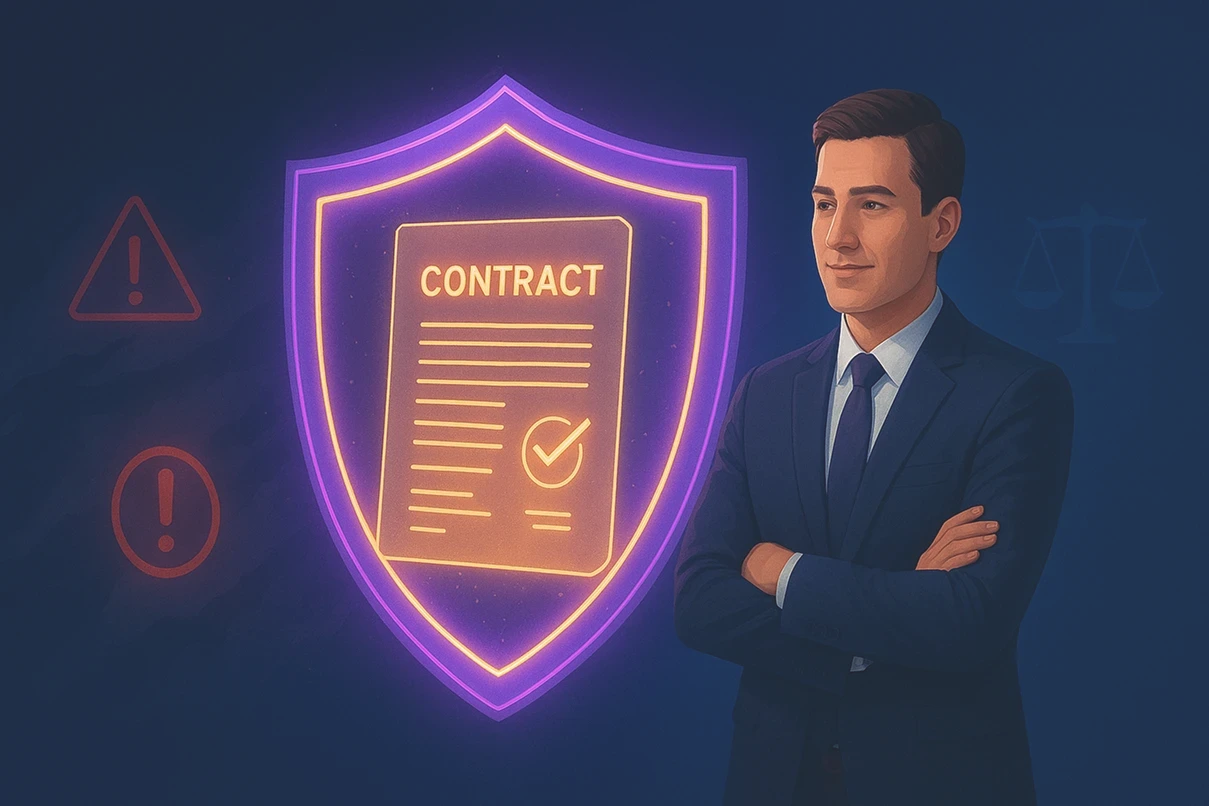
Knowing what not to do in a negotiation is just as important as knowing what to do. Common mistakes can undermine your position, expose you to potential risks, and lead to unfavourable terms. Avoiding these pitfalls requires awareness and discipline in your negotiation techniques.
Many of these errors stem from a lack of preparation or a rush to close the deal. By taking a measured and strategic approach, you can sidestep these common traps and ensure you are not agreeing to contract terms that will harm your business in the long run.
Failing to Prepare Adequately
The most common and costly mistake in any negotiation is failing to prepare adequately. Entering a negotiation without a clear strategy, sufficient research, and defined objectives puts you at a significant disadvantage. You become reactive instead of proactive, making you vulnerable to the other party's agenda.
Thorough preparation involves understanding your goals, researching the other party, and knowing your walk-away point. It means having all your data and documentation ready to support your position. Without this groundwork, you are essentially negotiating in the dark.
This lack of preparation can lead to rushed decisions and unnecessary concessions. You might agree to terms you later regret simply because you did not take the time to think through the implications. A robust system to track changes and a solid negotiation strategy are your best defences against this mistake.
Overlooking Critical Clauses
In the rush to agree on major contract terms like price, it is easy to overlook the "fine print." However, critical clauses related to liability, indemnification, intellectual property rights, and termination can have a far greater impact on your business in the long run. Ignoring them can lead to significant risks and unfavourable terms.
For example, a poorly worded dispute resolution clause could force you into costly and time-consuming litigation. Similarly, weak protection of your intellectual property rights could result in the loss of valuable assets. It is essential to give these clauses the attention they deserve.
Always take the time to read and understand every clause in the contract. If you are unsure about the implications of any term, seek legal advice. A few extra hours of review can save you from years of complications and protect your business from hidden dangers.
Conclusion
In summary, mastering the art of contract negotiation is crucial for businesses aiming to foster strong relationships and achieve favourable outcomes. By understanding the key elements involved, the importance of effective communication, and the strategies that can lead to successful negotiations, you are better equipped to navigate the complexities of any agreement.
As you engage in your next negotiation, keep in mind the common challenges and pitfalls to avoid, ensuring a smoother process. The insights gained from this comprehensive exploration will empower you to secure agreements that not only protect your interests but also contribute to sustained growth and profitability. If you're ready to enhance your negotiation skills further, don't hesitate to reach out for expert guidance.
Frequently Asked Questions
What examples demonstrate successful contract negotiation outcomes?
A successful negotiation could be a business-to-business deal where a smaller company negotiates extended payment terms with a larger client, improving its cash flow. Another example is securing a long-term supplier contract at a fixed price to protect against market volatility. These outcomes reflect best practices in achieving a favorable negotiated agreement.
How do negotiation tactics differ when working with vendors in India?
When negotiating vendor contracts in India, relationship-building is often as important as the terms themselves. Business negotiations may be less direct, and patience is key. Understanding local market conditions and showing respect for hierarchy are negotiation techniques that can be particularly effective in securing a strong supply chain partner.
Which skills are most crucial for contract negotiation success?
The most crucial negotiation skills include thorough preparation, active listening to understand the other party's needs, and clear communication. The ability to find creative solutions to deadlocks is also vital. Involving legal counsel at the right moments ensures that all agreements are legally sound and protect your interests.
What are the essential steps involved in the contract negotiation process?
The essential steps in the contract negotiation process include preparation and planning, determining objectives, conducting initial discussions, bargaining and problem-solving, and finally, drafting and finalising the agreement. A solid negotiation strategy based on objective criteria guides you from the first conversation to the final agreement.
How can I prepare effectively for a contract negotiation?
Effective preparation involves defining your business objectives, researching the other party, and developing a clear negotiation strategy. It is also wise to gather all necessary documents, establish your walk-away point, and seek legal advice on complex terms. Using tools to track changes helps maintain clarity throughout the process.
What common mistakes should I avoid during contract negotiations?
Avoid poor preparation, overlooking critical contract terms, and making concessions without getting anything in return. Failing to understand the other party's needs and ignoring dispute resolution clauses can also lead to unfavourable terms. Good contract management helps you steer clear of these potential risks and costly errors.
About the Company

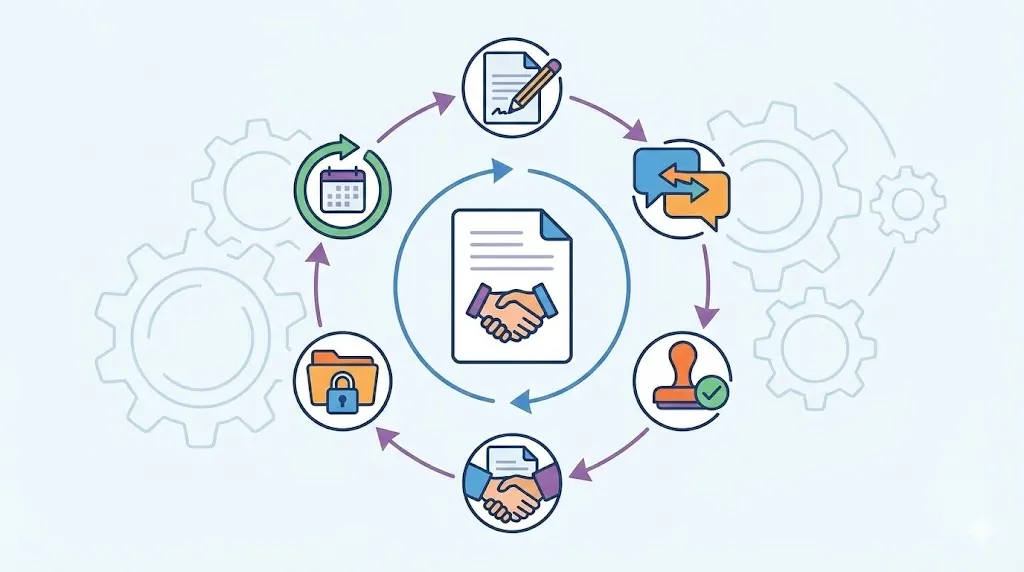
Volody AI CLM is an Agentic AI-powered Contract Lifecycle Management platform designed to eliminate manual contracting tasks, automate complex workflows, and deliver actionable insights. As a one-stop shop for all contract activities, it covers drafting, collaboration, negotiation, approvals, e-signature, compliance tracking, and renewals. Built with enterprise-grade security and no-code configuration, it meets the needs of the most complex global organizations. Volody AI CLM also includes AI-driven contract review and risk analysis, helping teams detect issues early and optimize terms. Trusted by Fortune 500 companies, high-growth startups, and government entities, it transforms contracts into strategic, data-driven business assets.




" height="216.72211px" id="FYO0bO80Y" transform="translate(3 6.105)" width="206.073px"/><path d="M 108.174 222 C 88.432 222 70.303 217.239 53.785 207.717 C 37.267 198.196 24.173 185.052 14.504 168.285 C 4.835 151.312 0 132.165 0 110.845 C 0 89.731 4.835 70.792 14.504 54.025 C 24.173 37.052 37.267 23.804 53.785 14.282 C 70.303 4.761 88.432 0 108.174 0 C 128.116 0 146.246 4.761 162.562 14.282 C 179.08 23.804 192.073 37.052 201.541 54.025 C 211.21 70.792 216.044 89.731 216.044 110.845 C 216.044 132.165 211.21 151.312 201.541 168.285 C 192.073 185.052 179.08 198.196 162.562 207.717 C 146.044 217.239 127.915 222 108.174 222 Z M 108.174 183.189 C 120.864 183.189 132.044 180.291 141.713 174.495 C 151.382 168.492 158.936 160.006 164.375 149.035 C 169.814 138.064 172.533 125.334 172.533 110.845 C 172.533 96.355 169.814 83.729 164.375 72.965 C 158.936 61.994 151.382 53.611 141.713 47.815 C 132.044 42.02 120.864 39.122 108.174 39.122 C 95.483 39.122 84.202 42.02 74.332 47.815 C 64.663 53.611 57.109 61.994 51.67 72.965 C 46.231 83.729 43.511 96.355 43.511 110.845 C 43.511 125.334 46.231 138.064 51.67 149.035 C 57.109 160.006 64.663 168.492 74.332 174.495 C 84.202 180.291 95.483 183.189 108.174 183.189 Z" fill="rgba(255, 255, 255, 0.12)" height="222px" id="aa1McFcE9" transform="translate(227.183 3)" width="216.04399999999998px"/><path d="M 42.302 182.257 L 111.799 182.257 L 111.799 216.722 L 0 216.722 L 0 0 L 42.302 0 Z" fill="rgba(255, 255, 255, 0.12)" height="216.72211px" id="yRq4AnrsX" transform="translate(477.721 6.105)" width="111.79899999999998px"/><path d="M 108.174 222 C 88.432 222 70.303 217.239 53.785 207.717 C 37.267 198.196 24.173 185.052 14.504 168.285 C 4.835 151.312 0 132.165 0 110.845 C 0 89.731 4.835 70.792 14.504 54.025 C 24.173 37.052 37.267 23.804 53.785 14.282 C 70.303 4.761 88.432 0 108.174 0 C 128.116 0 146.246 4.761 162.562 14.282 C 179.08 23.804 192.073 37.052 201.541 54.025 C 211.21 70.792 216.045 89.731 216.045 110.845 C 216.045 132.165 211.21 151.312 201.541 168.285 C 192.073 185.052 179.08 198.196 162.562 207.717 C 146.044 217.239 127.915 222 108.174 222 Z M 108.174 183.189 C 120.864 183.189 132.044 180.291 141.713 174.495 C 151.382 168.492 158.936 160.006 164.375 149.035 C 169.814 138.064 172.534 125.334 172.534 110.845 C 172.534 96.355 169.814 83.729 164.375 72.965 C 158.936 61.994 151.382 53.611 141.713 47.815 C 132.044 42.02 120.864 39.122 108.174 39.122 C 95.483 39.122 84.202 42.02 74.332 47.815 C 64.663 53.611 57.108 61.994 51.67 72.965 C 46.231 83.729 43.511 96.355 43.511 110.845 C 43.511 125.334 46.231 138.064 51.67 149.035 C 57.108 160.006 64.663 168.492 74.332 174.495 C 84.202 180.291 95.483 183.189 108.174 183.189 Z" fill="rgba(255, 255, 255, 0.12)" height="222px" id="mo8HQspQ0" transform="translate(609.155 3)" width="216.04500000000007px"/><path d="M 73.727 0 C 95.885 0 115.324 4.45 132.044 13.351 C 148.967 22.252 161.957 34.982 171.027 51.541 C 180.287 67.894 184.917 86.937 184.917 108.671 C 184.917 130.405 180.287 149.449 171.027 165.801 C 161.957 181.947 148.967 194.47 132.044 203.371 C 115.324 212.271 95.885 216.722 73.727 216.722 L 0 216.722 L 0 0 Z M 72.216 179.773 C 94.374 179.773 111.497 173.564 123.583 161.144 C 135.669 148.724 141.713 131.233 141.713 108.671 C 141.713 86.109 135.669 68.515 123.583 55.888 C 111.497 43.055 94.374 36.638 72.216 36.638 L 42.302 36.638 L 42.302 179.773 Z" fill="rgba(255, 255, 255, 0.12)" height="216.72211px" id="I3iXX5Hi_" transform="translate(859.693 6.105)" width="184.91699999999992px"/><path d="M 185.22 0 L 113.91 141.273 L 113.91 216.722 L 71.61 216.722 L 71.61 141.273 L 0 0 L 47.74 0 L 93.06 99.046 L 138.08 0 Z" fill="rgba(255, 255, 255, 0.12)" height="216.72211px" id="nzHyWC0_d" transform="translate(1061.78 6.105)" width="185.22000000000003px"/></svg>)