

Sep 9, 2025
Episode 17
22 Minutes
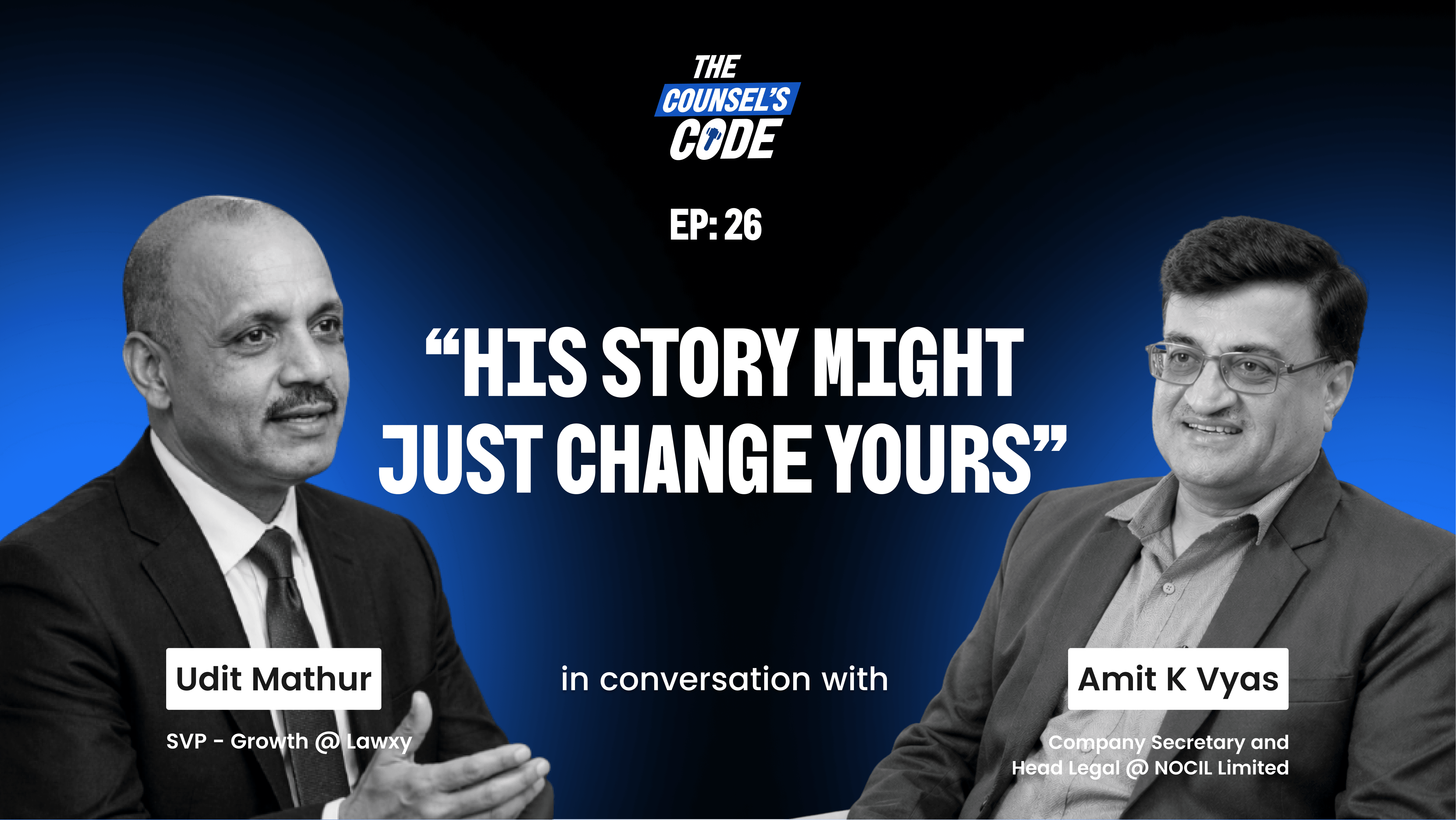
Ritesh Shah - EVP & Head Legal – Recoveries and Resolution at Kotak Mahindra Bank
Behind the Scenes of Bank Legal Recovery ft. Ritesh Shah

Bank loan recovery is a complex challenge, mixing financial, legal, and operational hurdles. In this episode of "The Counsel's Code," we sit down with Ritesh Shah, a seasoned legal professional with over two decades of experience, to get an inside look at the world of resolution and recovery.
Meet the Speaker: Ritesh Shah
We are thrilled to feature Ritesh Shah, the EVP Legal and Head of Resolution & Recovery at Kotak Mahindra Bank. With nearly 20 years at Kotak, Mr. Shah has built a deep expertise in legal resolution, recovery, negotiation, and arbitration. He began his legal journey as an associate at Shiran & Associate in Vadodara, Gujarat.
Key Insights from the Conversation
What inspired you to pursue a career in law?
From an early age, Mr. Shah was "drawn to the idea of problem-solving through structural reasoning." He believes every problem has a solution. He was attracted to law because it offers a "unique blend of intellectual challenge, public service, and the ability to influence outcomes that genuinely impact people." The dynamic nature of law and its power to "balance justice with commerce" cemented his decision.
Why do clients default, and how do they do it?
Mr. Shah explains that not all defaults are deliberate. Sometimes, a "situation default" occurs. Deliberate defaults, however, often happen due to "fund diversion," either to a group company, another project, or for other investments. Unnecessary expansion beyond a company's capacity can also lead to a default.
Are there fraudulent loan cases?
Yes, fraudulent cases exist. Mr. Shah notes that if loan and security documents are properly executed and all communications and notices are in a proper flow, it "can be lead to swift resolution versus the highly contested litigation."
Key challenges in recovery & resolution at a big firm?
Mr. Shah manages NPA recovery for two major divisions of the bank. The key challenges his team faces include:
Borrowers filing multiple litigations or unnecessarily dragging the bank into criminal litigation.
Delays in the judicial process, such as matters getting repeatedly adjourned.
Depression in the asset's valuation. He notes this is a major challenge. When an account turns into an NPA, the market perception can cause the property's value to deplete, making it difficult to meet the bank's expectation of recovering the original value.
If recovery is less than the loan, how do you manage?
The bank doesn't just go after the primary collateral. Mr. Shah explains that "there will be some hypothecated credit asset also." Furthermore, the bank can "invoke the guarantee." His team can file applications before the Debt Recovery Tribunal (DRT) to get an "attachment before the judgment" on the guarantor's other assets, even if they aren't charged to the bank, to recover the shortfall.
How has recovery evolved with tech & new laws?
Regulatory changes from the DRT and SARFAESI Act have "evolved the recovery and resolution process very strongly." The biggest change came with the Insolvency and Bankruptcy Code (IBC) in 2016, which "is giving some different resolution impact." He says the process has become "creditor-driven," with creditors "getting into control of the business" and driving the resolution plan.
In what ways is technology impacting recovery?
"Technology is helping very well." Mr. Shah points to AI's ability to provide "good analysis of the judgment in a span of minutes or second." Furthermore, the "e-filing" process in High Courts and the Supreme Court is "creating lot of solution" for advocates and in-house counsel, streamlining the previously physical filing process.
How does Kotak balance recovery with customer goodwill?
This goes back to his earlier point: "every defaulter may not be a chronic defaulter." While the bank will "drive your legal action as per the process," the communication with the borrower or guarantor "should be open and the clear communication."
The bank's business is "to lend the money and to earn the interest," not litigation. If the bank sees an "ability to revive the business," they will "go for the resolution and restructuring." This "help[s] borrower to establish a good confidence, good trust on the bank," and after a successful restructuring, they "continue the relationship with the bank."
Can you share a complex recovery case you handled?
Mr. Shah recalls a consortium lending case where Kotak had a "lower percentage" stake. One lender took the lead to restructure the account. The process was "challenging" and "continued for some 6 months," but eventually, "each and every lender could come on the same platform" and agree. The result: no lender encountered a loss, and "on other side, company also got revived."
What is your success rate in recovery cases?
"In our case, we have seen 100% success." Mr. Shah clarifies this by adding, "time value is there." Some cases resolve quickly, while others get "into problem litigation." The key is to "apply the strategy where each and every case get resolved with 100% result."
How do you keep your team motivated in tough recovery cases?
Mr. Shah does not accept the idea of "impossibility in the recovering or the resolution." He believes that if he sees impossibility, he is "creating just a negative environment." Instead, "my team is work on the positive environment despite any challenges." They work jointly as a team to "overcome" and "find the solution."
How is recovery changing, and can assistants make it faster?
Mr. Shah points to the evolution from the DRT Act to SARFAESI and now to IBC. He highlights that the "IBC is giving the timely resolution with the strict timelines," which is speeding up the process.
Any memorable or funny fraud cases?
Mr. Shah explains that with fraud cases, you have to "get into the action" to see if it was actually fraud or a business-related issue, like fund diversion. This requires his team to use "commercial wisdom" and "financial analysis." His legal recovery team is "not limiting ourself only to the legal thing"; they have developed skills in analyzing financial reports, stock audits, and transaction audits.
Under IPC, how are loan defaulters penalized?
Mr. Shah clarifies that the "punishment" is the liquidation of their assets. Through the DRT, the bank can get "attachment before judgment" on all assets, "and everything can be liquidated in the debt prone process."
Advice for young aspirants in this field?
Integrity: "Develop the integrity, which is the utmost important role."
Focus & Dedication: Be fundamental "with all those all relevant sections and necessary judgment analysis."
Clear Communication: Have "open-ended communication" with all parties.
Learning Appetite: "Legally... you have to read the law every day and you have to learn every day."
Rapid Fire Round
In a quick-fire round, Mr. Shah shared his immediate thoughts. The biggest myth about loan defaulters is "they are broken." The hardest type of case to resolve is "corporate" due to "highly contested litigation." The one skill every recovery officer must have is "open and clear communication." He prefers an "out of court settlement" because "time is essence." AI in recovery is an "opportunity." If not in banking, he would have been an "event manager." The most creative excuse from a defaulter is "I don't have money right now," and the most satisfying part of his job is "handing over the closed file to the consent department."
About "The Counsel's Code" Podcast
"The Counsel's Code" is your go-to podcast for exclusive interviews with top legal executives. Discover the strategies they've employed to cultivate their careers, excel in their positions, and emerge as true leaders in their organizations.
Throughout our discussions, we delve into the challenges of leadership and how these accomplished professionals manage the pressures that come with it. Our mission is to provide valuable insights and support for in-house counsel, fostering mutual growth and development.
Tune in for engaging and enlightening conversations with legal leaders who share their experiences, wisdom, and advice, creating a community where in-house counsel can thrive together. If you want to get featured, contact marketing@volody.com.
Disclaimer: The views expressed in this podcast are the speaker’s personal opinions and do not necessarily reflect the positions of the podcast, Volody, or any current or former employers.
All Of Our Latest Episodes
Explore our latest episodes for laughter, inspiration, and engaging stories. Join our podcast journey today!

Get Exclusive Podcasts From Your Favorite Hosts
Subscribe now for exclusive access to our latest episodes, bonus content, and updates. Join our community and never miss a moment of laughter and inspiration!
Available On




" height="216.72211px" id="FYO0bO80Y" transform="translate(3 6.105)" width="206.073px"/><path d="M 108.174 222 C 88.432 222 70.303 217.239 53.785 207.717 C 37.267 198.196 24.173 185.052 14.504 168.285 C 4.835 151.312 0 132.165 0 110.845 C 0 89.731 4.835 70.792 14.504 54.025 C 24.173 37.052 37.267 23.804 53.785 14.282 C 70.303 4.761 88.432 0 108.174 0 C 128.116 0 146.246 4.761 162.562 14.282 C 179.08 23.804 192.073 37.052 201.541 54.025 C 211.21 70.792 216.044 89.731 216.044 110.845 C 216.044 132.165 211.21 151.312 201.541 168.285 C 192.073 185.052 179.08 198.196 162.562 207.717 C 146.044 217.239 127.915 222 108.174 222 Z M 108.174 183.189 C 120.864 183.189 132.044 180.291 141.713 174.495 C 151.382 168.492 158.936 160.006 164.375 149.035 C 169.814 138.064 172.533 125.334 172.533 110.845 C 172.533 96.355 169.814 83.729 164.375 72.965 C 158.936 61.994 151.382 53.611 141.713 47.815 C 132.044 42.02 120.864 39.122 108.174 39.122 C 95.483 39.122 84.202 42.02 74.332 47.815 C 64.663 53.611 57.109 61.994 51.67 72.965 C 46.231 83.729 43.511 96.355 43.511 110.845 C 43.511 125.334 46.231 138.064 51.67 149.035 C 57.109 160.006 64.663 168.492 74.332 174.495 C 84.202 180.291 95.483 183.189 108.174 183.189 Z" fill="rgba(255, 255, 255, 0.12)" height="222px" id="aa1McFcE9" transform="translate(227.183 3)" width="216.04399999999998px"/><path d="M 42.302 182.257 L 111.799 182.257 L 111.799 216.722 L 0 216.722 L 0 0 L 42.302 0 Z" fill="rgba(255, 255, 255, 0.12)" height="216.72211px" id="yRq4AnrsX" transform="translate(477.721 6.105)" width="111.79899999999998px"/><path d="M 108.174 222 C 88.432 222 70.303 217.239 53.785 207.717 C 37.267 198.196 24.173 185.052 14.504 168.285 C 4.835 151.312 0 132.165 0 110.845 C 0 89.731 4.835 70.792 14.504 54.025 C 24.173 37.052 37.267 23.804 53.785 14.282 C 70.303 4.761 88.432 0 108.174 0 C 128.116 0 146.246 4.761 162.562 14.282 C 179.08 23.804 192.073 37.052 201.541 54.025 C 211.21 70.792 216.045 89.731 216.045 110.845 C 216.045 132.165 211.21 151.312 201.541 168.285 C 192.073 185.052 179.08 198.196 162.562 207.717 C 146.044 217.239 127.915 222 108.174 222 Z M 108.174 183.189 C 120.864 183.189 132.044 180.291 141.713 174.495 C 151.382 168.492 158.936 160.006 164.375 149.035 C 169.814 138.064 172.534 125.334 172.534 110.845 C 172.534 96.355 169.814 83.729 164.375 72.965 C 158.936 61.994 151.382 53.611 141.713 47.815 C 132.044 42.02 120.864 39.122 108.174 39.122 C 95.483 39.122 84.202 42.02 74.332 47.815 C 64.663 53.611 57.108 61.994 51.67 72.965 C 46.231 83.729 43.511 96.355 43.511 110.845 C 43.511 125.334 46.231 138.064 51.67 149.035 C 57.108 160.006 64.663 168.492 74.332 174.495 C 84.202 180.291 95.483 183.189 108.174 183.189 Z" fill="rgba(255, 255, 255, 0.12)" height="222px" id="mo8HQspQ0" transform="translate(609.155 3)" width="216.04500000000007px"/><path d="M 73.727 0 C 95.885 0 115.324 4.45 132.044 13.351 C 148.967 22.252 161.957 34.982 171.027 51.541 C 180.287 67.894 184.917 86.937 184.917 108.671 C 184.917 130.405 180.287 149.449 171.027 165.801 C 161.957 181.947 148.967 194.47 132.044 203.371 C 115.324 212.271 95.885 216.722 73.727 216.722 L 0 216.722 L 0 0 Z M 72.216 179.773 C 94.374 179.773 111.497 173.564 123.583 161.144 C 135.669 148.724 141.713 131.233 141.713 108.671 C 141.713 86.109 135.669 68.515 123.583 55.888 C 111.497 43.055 94.374 36.638 72.216 36.638 L 42.302 36.638 L 42.302 179.773 Z" fill="rgba(255, 255, 255, 0.12)" height="216.72211px" id="I3iXX5Hi_" transform="translate(859.693 6.105)" width="184.91699999999992px"/><path d="M 185.22 0 L 113.91 141.273 L 113.91 216.722 L 71.61 216.722 L 71.61 141.273 L 0 0 L 47.74 0 L 93.06 99.046 L 138.08 0 Z" fill="rgba(255, 255, 255, 0.12)" height="216.72211px" id="nzHyWC0_d" transform="translate(1061.78 6.105)" width="185.22000000000003px"/></svg>)